Electronic cigarettes, commonly referred to as e-cigarettes, have become popular in recent years as an alternative to traditional smoking. Understanding the ICD 10 codes associated with electronic cigarette use is crucial for healthcare professionals handling smoking cessation efforts, research, and patient records. The International Classification of Diseases, 10th Revision (ICD 10) provides a standardized coding system used globally to categorize health conditions. Here, we delve into these classifications, shedding light on their applicability and significance.
ICD 10 Codes for Tobacco Use, Including E-Cigarettes
ICD 10 codes related to tobacco use cover a variety of scenarios, primarily categorized under nicotine dependence and tobacco use disorders. These include F17.200 for Nicotine dependence, unspecified, uncomplicated, and Z72.0 for Tobacco use, which applies to individuals who might be engaging in the use of electronic cigarettes without a pattern of addiction or dependence yet identified.
How Electronic Cigarettes are Classified Under ICD 10
While traditional smoking methods have long-established codes, electronic cigarette use often intersects these codes, due to the nature of nicotine delivery and user behavior. For example, codes like F17.210 can be applicable when electronic cigarette use has led to nicotine dependence. These codes enable tracking of demographic trends, assisting public health efforts in understanding the impact of vaping.
The Rationale Behind Using ICD 10 Codes for E-Cigs
The use of ICD 10 codes in electronic cigarette contexts allows healthcare providers to categorize patient habits accurately. This impacts billing, statistical research, and treatment planning. By identifying electronic cigarette use through these codes, healthcare practitioners are better equipped to offer targeted cessation programs and guidance. Given the rising concerns about vaping, accurately coding these behaviors helps in efficiently allocating healthcare resources.
Common Misconceptions about E-Cigarettes in ICD 10
- Myth: All e-cigarette use is coded the same as traditional smoking.
Reality: Given their unique nature, certain codes are specifically designated for vaping when nicotine dependence is concerned, ensuring accurate medical records and treatments. - Myth: There’s no need to separate different types of tobacco use.
Reality: Separation is vital to understand distinct public health implications associated with each product. E-cigarettes and their risks differ from traditional products.
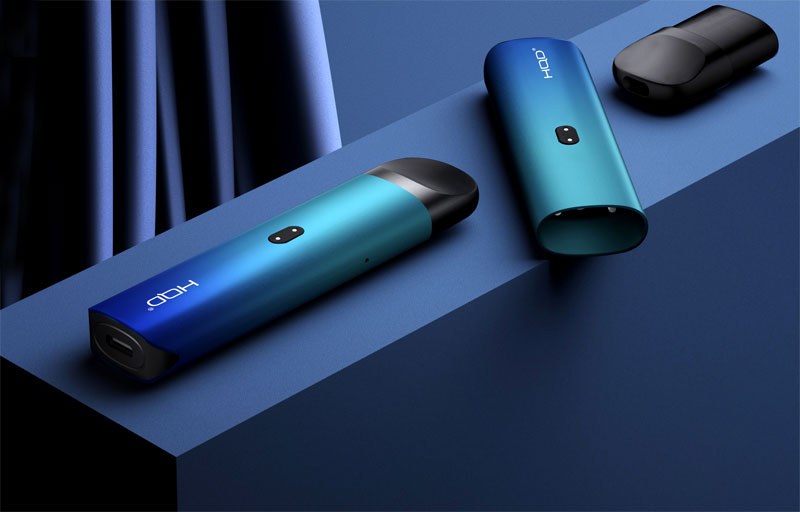
In ensuring public health safety and developing cessation programs, understanding these distinctions under ICD 10 can greatly enhance efficacy.
Important FAQs on Electronic Cigarette Use

What ICD 10 code applies if both traditional and electronic cigarettes are used?
When both traditional and electronic cigarettes are used, codes like F17.200 or F17.210 are deployed to cover the spectrum of nicotine dependence, regardless of the source.
How often should ICD 10 codes be updated for nicotine habits?
ICD 10 codes should be regularly reviewed and updated in medical records to reflect any changes in a patient’s smoking or vaping habits for correct treatment and statistical tracking.
Why is detailed coding important for vaping use?
Detailed coding is crucial for the development of specific, efficient public health interventions and research opportunities. By identifying trends and patterns in e-cigarette use, healthcare systems can better address the associated health risks.