In recent years, electronic cigarettes, often referred to as e-cigarettes or vapes, have gained popularity as an alternative to traditional tobacco products. While many people are aware of the potential impacts of smoking e-cigarettes directly, the effects of secondhand smoke from these devices are less commonly discussed. Understanding the implications of secondhand smoke—also known as passive vaping—is crucial for public health awareness.
What is Electronic Cigarette Secondhand Smoke?
Electronic cigarette secondhand smoke refers to the aerosol released into the environment when vaping occurs. This aerosol comprises nicotine, flavorings, and other chemicals that can be inhaled by bystanders. Just like secondhand smoke from traditional cigarettes, this can pose health risks, particularly for vulnerable individuals such as children, pregnant women, and people with respiratory conditions.
Components of E-cigarette Aerosol
The aerosol produced by e-cigarettes contains fewer toxic chemicals than conventional cigarette smoke. However, this does not mean it is harmless. The substances found in secondhand vape smoke can include nicotine, ultrafine particles, volatile organic compounds, and heavy metals like lead.
Nicotine, a major component, is known for its addictive properties and potential health effects. Ultrafine particles can lodge deep in the lungs and potentially enter the bloodstream, leading to adverse effects on cardiovascular health. The presence of certain volatile organic compounds and heavy metals further complicates the safety profile of secondhand vape emissions.
Health Risks Associated with Secondhand Vaping
Emerging research indicates that while the health risks of secondhand vape exposure are not as severe as those associated with traditional cigarette smoke, they still present a public health concern. There is growing evidence to suggest that exposure can lead to respiratory issues, trigger asthma attacks, and contribute to cardiovascular problems.

Children are particularly susceptible to the effects of secondhand vape exposure. Their developing respiratory systems make them more vulnerable to the chemicals present in the aerosol, potentially leading to respiratory illnesses and affecting lung development.
Public Spaces and Policies
Many regions have started implementing policies to regulate the use of e-cigarettes in public spaces to protect individuals from secondhand vape exposure. These regulations often parallel those established for traditional smoking in certain areas, highlighting the need for further research into the long-term effects of secondhand vaping.
Comparing It to Traditional Cigarette Smoke
When comparing electronic cigarette secondhand smoke to traditional cigarette smoke, it is worth noting that the latter is substantially more harmful due to the higher concentration of toxic substances. Traditional cigarette smoke contains over 7,000 chemicals, with at least 70 known to cause cancer. In contrast, the lower levels of carcinogens in e-cigarette aerosol mean it poses a reduced, but not eliminated, risk.
Public Perception and Awareness
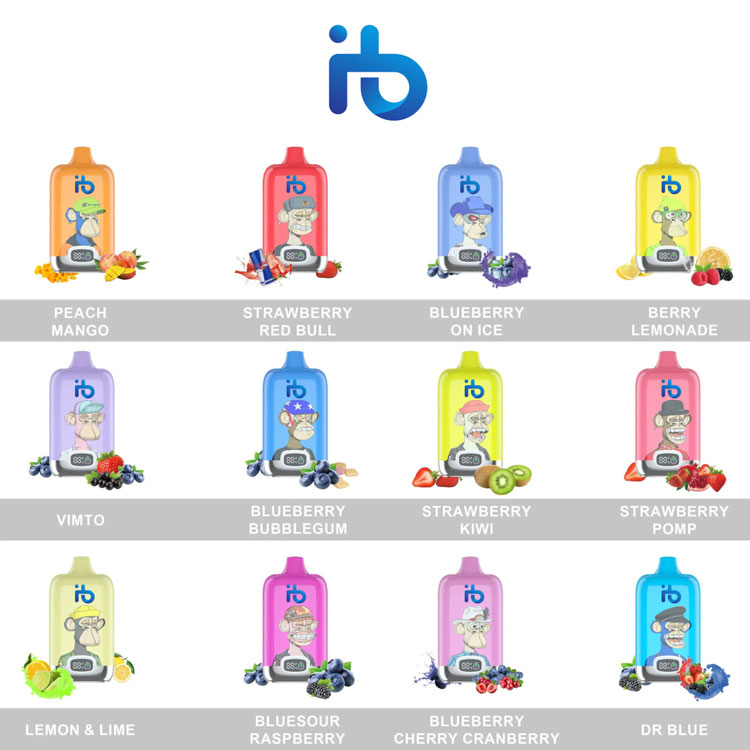
Public awareness about the risks of secondhand smoke from vaping is still developing. Education campaigns play a pivotal role in informing the public about the potential health impacts of inhaling e-cigarette aerosol involuntarily. Increasing awareness can lead to better decision-making regarding the use of e-cigarettes and help establish social norms that protect non-smokers.
FAQs on Secondhand Vape Smoke
Q: Can you get addicted to nicotine from secondhand vape smoke?
A: It is unlikely, as the nicotine levels in secondhand vape emissions are significantly lower than in firsthand exposure, reducing the risk of addiction.
Q: Are there any regulations for e-cigarette use in public areas?
A: Yes, many places have implemented regulations similar to those applying to traditional smoking to limit secondhand exposure from vaping in public spaces.
Q: Is secondhand vape smoke safe for pets?
A: No, pets can be affected by the chemicals in secondhand vape smoke, potentially leading to health issues. They should be kept away from vaping areas to minimize risk.