The subject of e cigarettes and mouth cancer is a topic of growing debate among researchers, healthcare professionals, and smokers looking for an alternative to traditional cigarettes. As the popularity of e-cigarettes continues to rise, understanding their potential health risks is vital. E-cigarettes, often marketed as a safer option, deliver nicotine in a vapor rather than smoke, avoiding many harmful substances found in traditional tobacco. However, the question now being raised is whether these can lead to mouth cancer.
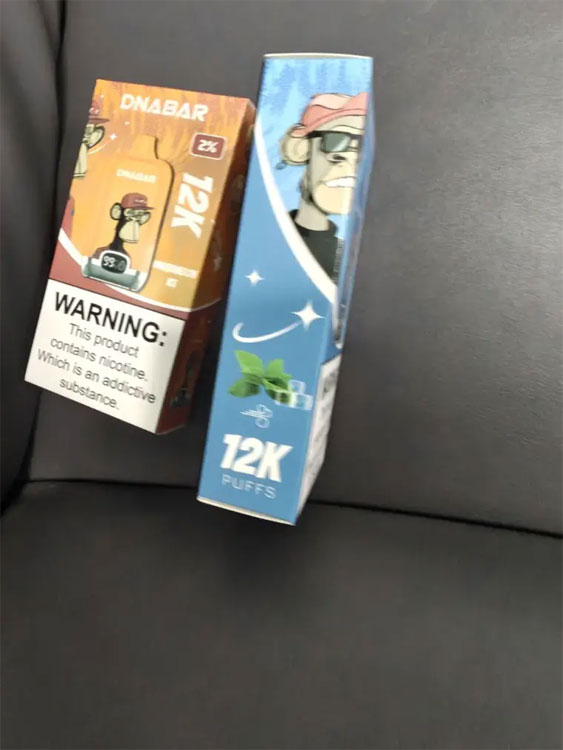
What Are E-Cigarettes?
E-cigarettes, or electronic cigarettes, are battery-operated devices that heat a liquid containing nicotine, flavorings, and other chemicals to produce a vapor. This modern alternative to smoking has become particularly popular among young adults, often due to the wide variety of available flavors and the perception of being a healthier choice.
Potential Risks of E-Cigarettes
While e-cigarettes may reduce exposure to certain carcinogens, they are not without risk. Studies have shown that the substances found in e-cigarettes can cause cellular damage, which may lead to cancer. The vapor contains potentially harmful chemicals, including formaldehyde, acetaldehyde, and acrolein, all of which have been linked to various types of cancer, including mouth cancer.
Chemicals of Concern
- Formaldehyde: This is a known carcinogen that can cause damage to the gums and oral cavity.
- Acetaldehyde: Another carcinogen that, in large amounts, can increase cancer risks.
- Acrolein:
 Mainly used as a pesticide, this chemical can contribute to oxidative stress and inflammation in the body.
Through mouth absorption, these chemicals can directly impact oral health, increasing the likelihood of mouth cancer.
Research Findings
Scientific research on e-cigarettes is still emerging, but current studies suggest a link to mouth cancer. A report by the American Cancer Society indicates that while e-cigarettes are less harmful than regular cigarettes, they are not entirely risk-free and have not been proven safe regarding long-term effects. Regular use could potentially weaken the immune response in the mouth, leading to a more conducive environment for cancer cell growth.
Preventive Measures
If you are using e-cigarettes, it’s important to stay informed about the hazards. Limiting usage, opting for products with lower chemical concentrations, and maintaining regular dental visits are advisable measures. Oral health checkups can catch early signs of potential issues before they develop into serious conditions.
Comparing E-Cigarettes and Traditional Smoking
E-cigarettes do offer a reduction in exposure to the vast array of harmful chemicals present in tobacco smoke. This factor has contributed to their perception as a less harmful option. However, this does not equate to a guarantee of safety from cancers, including mouth cancer.
Common Misconceptions
A significant misconception is that e-cigarettes do not contain harmful substances. The reality is that while they may have fewer carcinogens than traditional cigarettes, the chemicals they do contain can still contribute to health risks.
Conclusion
More research is needed to fully comprehend the long-term effects of e-cigarette usage on oral health and cancer development. It is crucial for users to critically evaluate the available evidence when making decisions about their health and to consider not just the short-term quitting benefits but also the potential long-term consequences.
FAQs
- Can e-cigarettes cause mouth cancer?
- While research is still ongoing, current evidence suggests a potential link, primarily due to the presence of carcinogenic chemicals in e-cigarette vapor.
- How do e-cigarettes compare to traditional cigarettes in terms of cancer risk?
- E-cigarettes generally expose users to fewer carcinogens; however, they are not risk-free and still pose a cancer risk due to the chemicals they contain.
- Are there safer alternatives to smoking?
- Nicotine replacement therapy, such as patches or gums, and behavioral support have proven to be effective and much safer alternatives.