The rise of electronic cigarettes has ushered in a new era of nicotine consumption, often viewed as a potentially safer alternative to traditional smoking. Central to this discussion is the composition of the e-cigarette vapor. So, what is in e-cigarette vapor? Let’s delve deeper to understand its components and implications.
Understanding E-Cigarette Vapor
E-cigarettes, or electronic nicotine delivery systems (ENDS), operate by heating a liquid—commonly known as e-liquid—which then evaporates. Users inhale this vapor, often referred to as “vaping.” The contents of this vapor primarily depend on the ingredients in the e-liquid, which are typically composed of nicotine, flavorings, and a base solution.
Main Components of the Vapor
1. Nicotine
Nicotine is a major component in most e-cigarettes. As an addictive substance, it serves the primary purpose of satisfying cravings for those transitioning from traditional smoking. Nicotine levels can vary significantly across different brands and products, allowing users to tailor their intake.
2. Propylene Glycol (PG) and Vegetable Glycerin (VG)
The base solution of e-liquids is generally a mixture of Propylene Glycol (PG) and Vegetable Glycerin (VG). These substances are responsible for carrying the flavor and producing the vapor clouds typical of vaping. PG tends to deliver a stronger throat hit, reminiscent of tobacco smoke, while VG contributes to larger vapor production.
3. Flavorings
One of the attractive aspects of vaping is the broad array of available flavors, ranging from fruit and candy to more traditional tobacco flavors. These flavorings are food-grade additives, although their safety when inhaled is still a subject of ongoing research.

4. Other Chemicals
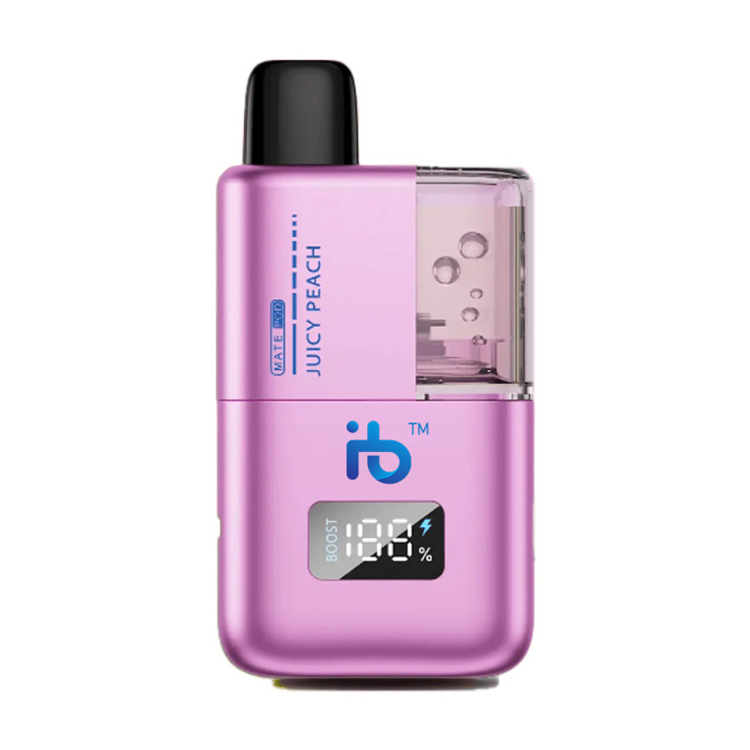
Besides the main ingredients, various other chemicals can find their way into e-cigarette vapor, including formaldehyde, acetaldehyde, and acrolein—byproducts of the heating process. The presence and amount of these substances can be influenced by the device’s temperature settings and the type of e-liquid used.
Potential Health Implications
Understanding what is in e-cigarette vapor is crucial due to the health implications. While e-cigarettes are often marketed as a safer alternative to traditional cigarettes, the presence of addictive nicotine and other potentially harmful chemicals in the vapor underscores the importance of continued research and regulation in this field.
Nicotine Addiction
Nicotine, by its nature, is addictive and can lead to dependence. Users attempting to quit traditional cigarettes may inadvertently swap one form of addiction for another.
Respiratory Concerns
Inhalation of e-cigarette vapor brings about concerns regarding its impact on the respiratory system. While it’s generally accepted that vaping is less harmful than smoking, the long-term effects are still not well understood.
Conclusion
While e-cigarettes present certain advantages over traditional smoking, particularly in harm reduction, the composition of the vapor remains a pivotal point of analysis. It is advisable for users to stay informed about what they are inhaling and the ongoing research concerning vaping’s health impacts.
Frequently Asked Questions
What are the ingredients in e-cigarette cartridges?
E-cigarette cartridges typically contain a mixture of Propylene Glycol, Vegetable Glycerin, nicotine, and flavorings. Some may also include additional additives or preservatives.
How does the vapor from e-cigarettes affect bystanders?
The effects of secondhand e-cigarette vapor are still being studied, but it is generally considered to be less harmful than secondhand smoke from traditional cigarettes. Nonetheless, it’s prudent to avoid exposing non-users, especially children, to the vapor.
Are flavorings in e-cigarette vapor safe to inhale?
While flavorings are food-grade, their safety when inhaled in vapor form is not fully understood. Research is ongoing to evaluate the potential health risks posed by these additives.