The subject of e-cigarette use in Singapore and its implications in 2023 has sparked significant interest among policymakers and consumers alike. As vaping becomes increasingly popular worldwide, understanding the local trends and regulations regarding e-cigarettes in Singapore is crucial. The city-state enforces strict laws against e-cigarette sales and possession due to public health concerns and a commitment to reducing smoking rates.
Prevalence and Trends
E-cigarettes, often seen as alternatives to traditional tobacco products, have caught the attention of many Singaporeans over recent years. Despite stringent regulations, a niche group continues to experiment with vaping devices. The Ministry of Health (MOH) has reported cases where individuals were caught either using or possessing e-cigarettes in 2023, reflecting the ongoing challenges in controlling their use. Statistics indicate an increase in confiscations of e-cigarette paraphernalia, suggesting that awareness and enforcement might still have gaps that require attention.
Singapore’s Stance on Vaping
Singapore holds a firm stance against the use and distribution of e-cigarettes. Laws prohibit the import, sale, and possession of such products; penalties are imposed to ensure compliance. In 2023, authorities have intensified their efforts in cracking down on illicit vaping activities, aiming to curb the adoption and usage that could thrive from unattended loopholes. The regulations serve to promote public health and deter the initiation of smoking among youth and non-smokers.
Singapore’s regulatory framework is one of the most rigorous globally, and continues to adapt as new products and themes emerge within the vaping scene.
Education and Awareness
Education campaigns targeting young adults and smokers are pivotal in reducing e-cigarette use. The government emphasizes the hazards associated with vaping, countering misconceptions that it is a safe alternative to smoking. Schools incorporate health education modules to discourage vaping, spotlighting the legal repercussions and health risks. Engaging healthcare professionals in these conversations further extends the reach of anti-vaping advocacy.
Technological Role
Technology is used extensively to combat unauthorized e-cigarette circulation. A digital surveillance system helps monitor and curb online sales, a method adopted in 2023 to strengthen enforcement measures. Customs officers employ advanced screening technologies at points of entry to prevent illegal importation, thereby addressing cross-border challenges effectively.
Conclusion
The guidance and rules surrounding e-cigarettes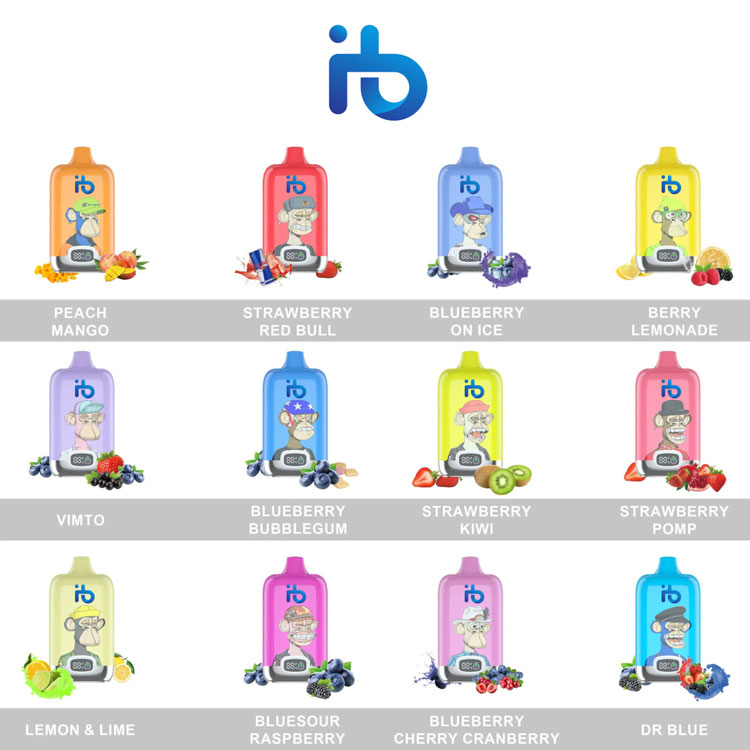 in Singapore receive continual observation and adaptation to meet emerging threats. Efforts include comprehensive enforcement, public education, and technological advancement, all pivotal in reinforcing Singapore’s zero-tolerance policy on vaping. The results of these initiatives are closely monitored to ensure their effectiveness in preserving public health.
FAQ
Can I bring an e-cigarette into Singapore?

No, the importation and possession of e-cigarettes in Singapore are illegal, and violators face fines and other penalties.
Why are e-cigarettes banned in Singapore?
The government prohibits e-cigarettes to protect public health by preventing potential addiction and health risks associated with vaping.
What are the penalties for using e-cigarettes in Singapore?

Offenders may face fines of up to SGD 2,000 and further legal action, reinforcing the serious stance against vaping.