When discussing electronic cigarette battery types, it’s essential to understand the diversity and functionality they offer. Electronic cigarette batteries serve as the power source for the various components of e-cigarettes, ensuring consistent performance and reliability. From built-in batteries to removable ones, the market provides a range of options to suit different preferences and needs among vapers.
Internal vs. External Batteries in E-cigarettes
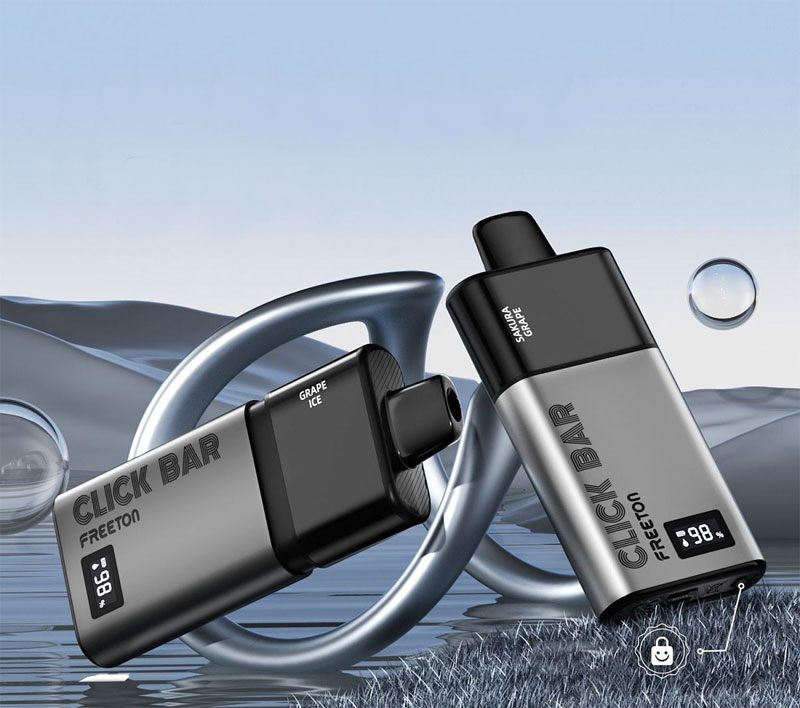
Many electronic cigarettes use internal batteries, which are built directly into the device. These batteries are usually rechargeable via USB ports and known for their convenience since there’s no need to carry spare batteries. They often support fast charging technologies and come in sleek, compact designs that are highly popular among beginners.
On the other hand, external or removable batteries offer greater flexibility and control. Advanced users might prefer them because they can easily swap out a dead battery for a charged one, ensuring their vaping sessions are uninterrupted. These batteries often require a separate charger, but they allow for longer vaping experiences and are highly suited for devices with adjustable power settings.
Lithium-ion vs. Lithium-Polymer Batteries
Delving deeper into the specific types, Lithium-ion batteries are widely used for their ability to maintain a high energy density, which translates to long-lasting power and efficiency. Lithium-ion batteries are generally safe when used correctly and provide sufficient power for most vaping needs.
Lithium-polymer batteries, however, offer a different set of advantages. These can be more lightweight and flexible in terms of design, providing manufacturers with the opportunity to create more compact devices. Although they often have lower energy density compared to lithium-ion batteries, their flexibility in design and safety, especially against leaks, make them a popular choice for portable vaping devices.
Battery Safety and Longevity
Safety is paramount when using electronic cigarette batteries. Always ensure that batteries are stored properly to prevent damage such as dents or punctures which can lead to dangerous instability. Using the right charger and avoiding overcharging can significantly improve a battery’s lifespan, ensuring that users experience optimal performance over time.
Regular maintenance and understanding the recommended wattage for coils can also prevent battery stress. Remember, the environment plays a crucial role; keeping batteries away from high temperatures can protect them from degrading quicker and maintain their longevity.
Choosing the Right Battery for Your E-cigarette

The choice between internal and external batteries often boils down to personal preference and lifestyle. If you’re frequently on the go and prefer simplicity, internal batteries might be the best option. Meanwhile, if long vaping sessions and customized experiences are your priority, investing in external battery setups could prove beneficial.
Also consider the capacity and voltage settings that suit your desired vaping style, as batteries with higher capacity can lead to longer durations without needing a recharge, ideal for those who enjoy intense vaping sessions.
FAQs About E-cigarette Batteries
- What is the average lifespan of an electronic cigarette battery?
- Typically, a well-maintained battery can last between 300 to 500 charge cycles, depending on usage patterns and care.
- Can I use any charger for my e-cigarette battery?
- No, it’s crucial to use chargers recommended by the device manufacturer to ensure compatibility and avoid damage or safety risks.
Exploring different electronic cigarette battery types reveals the importance of understanding their unique advantages, safety protocols, and how they affect the vaping experience.