When traveling with your e-cigarette, it’s crucial to understand the e cigarette travel rules to ensure a smooth journey. As e-cigarette popularity increases, so does the importance of being informed about regulations that vary across different airlines and countries. Firstly, it’s essential to know that the TSA (Transportation Security Administration) has specific guidelines regarding e-cigarettes in carry-on and checked baggage. According to the TSA, you must always carry e-cigarettes in your carry-on luggage because storing them in checked baggage is prohibited due to the fire risk posed by these devices. This applies regardless of whether your device uses a regular battery or a lithium one.
The e-liquid regulations are slightly different. You must ensure that any e-liquids adhere to the 3-1-1 liquid rule by the TSA. This means only containers that hold 3.4 ounces (100 milliliters) or less are allowed, and all must fit within a quart-sized ziplock bag. Travelers should plan their liquid needs in advance to avoid any inconvenience at security checkpoints. When you fly internationally, be aware that liquid regulations may differ from one country to another, so it’s wise to verify the rules of all countries on your itinerary.
International E-Cigarette Policies
Once airborne, using electronic cigarettes is typically not permitted. Most airlines treat vaping devices just like traditional cigarettes and thus prohibit their use. Indeed, flouting these rules can result in fines or even being banned from flying with certain airlines in the future. It’s prudent to consult with your airline beforehand to double-check their specific in-flight policies regarding electronic smoking devices.
Country-specific Regulations
Every country has its own set of rules concerning e-cigarettes. For instance, in some countries like Thailand, possession of an e-cigarette is considered illegal and can lead to severe penalties. Conversely, countries like the UK have more relaxed laws. Before you travel, researching the specific laws relevant to e-cigarettes in your destination is crucial for a hassle-free experience.
- EU Countries: Many European Union countries have standardized rules, but some might still have unique restrictions.
- Asian Destinations: These vary significantly, with some countries very strict, like Singapore, where importation is banned.
Failure to comply with these travel rules could result in fines, confiscation of your e-cigarette products, or more severe legal consequences.
Practical Tips for E-Cigarette Travel
- Always pack e-cigarettes and any spare batteries in your carry-on.
- Store e-liquids in containers complying with the 3-1-1 rule for carry-on liquids.
- Review airline policies specific to e-cigarettes prior to your flight.
- Research e-cigarette regulations for each of your travel destinations.
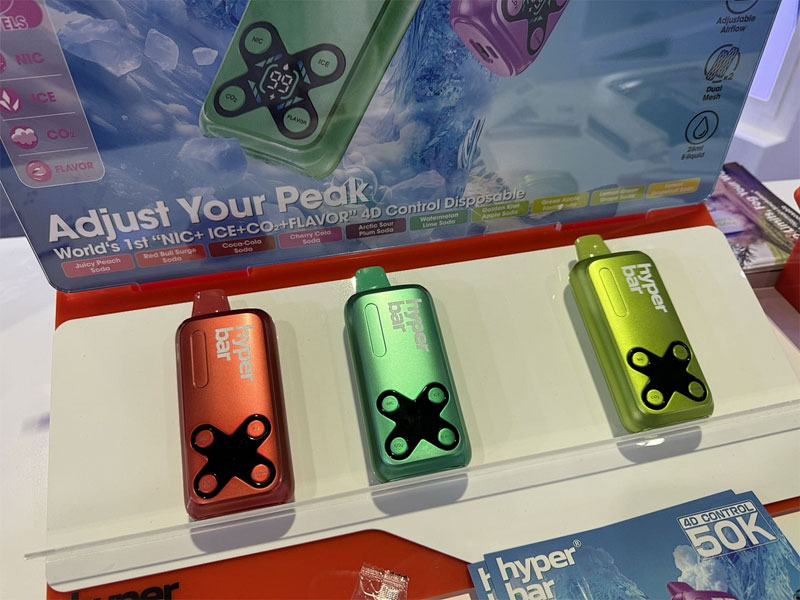
By following these simple yet crucial steps, you can help ensure an uneventful and pleasant journey.
Frequently Asked Questions
Can I charge my e-cigarette on the plane? No, charging e-cigarettes or any related batteries on aircraft is typically prohibited to prevent potential hazards.
What should I do if my e-liquid leaks during the flight? Store your e-liquid bottles in a sealed plastic bag and upright to prevent leaks due to pressure changes.