Understanding Electronic Cigarette Components
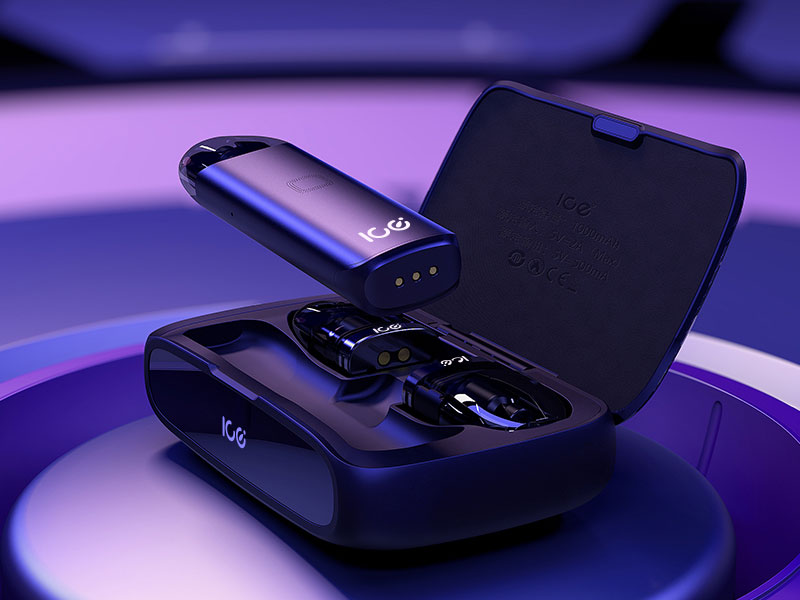
Electronic cigarettes, often referred to as e-cigarettes, consist of various components including the battery, cartridge, and metallic parts. Each of these requires different disposal methods.
Effective Disposal of E-cigarette Batteries
The battery is one of the most critical components due to its chemical composition. Many e-cigarettes use lithium-ion batteries, which can be hazardous if not disposed of properly. It’s important to check locally available battery disposal programs, as these are usually equipped to handle toxic materials safely.
Recycling facilities often have specific bins for battery disposal, equipped to prevent environmental contamination and potential risks. When disposing of your e-cigarette, remove the battery and place it in these designated bins.
Handling Cartridge Disposal
Unlike batteries, cartridges are generally not as hazardous but still require careful disposal. They contain nicotine, which can be harmful to soil and water if leaked. To dispose of cartridges responsibly, drain any remaining e-liquid by following the manufacturer’s recommendations, and dispose of the cartridge in the appropriate waste bin. Some local recycling programs may accept cartridges, so it’s worth inquiring.
Metallic Parts and Other Electronic Components
The metallic and electronic parts of electronic cigarettes might be recyclable. Local electronic waste disposal facilities can provide guidance on how to recycle or dispose of these parts properly. Always aim to minimize waste by exploring the option of reusing parts when possible.
- Remove all plastic components as these can often be recycled separately.
- Some services offer mail-in recycling options that include e-cigarettes and their components.

Environmental Impact and Benefits of Proper Disposal
Proper disposal of electronic cigarettes significantly reduces the environmental footprint associated with vaping products. By ensuring that these components are correctly recycled or disposed of, the risks of soil and water contamination can be minimized. Educating consumers on how to dispose electronic cigarettes responsibly contributes to sustainability efforts and the reduction of unnecessary waste.
Final Thoughts on Safe Disposal Habits
 Developing safe disposal habits is crucial for both personal and environmental safety. It’s vital to spread awareness about recycling programs and disposal facilities available in your community. Engage with online forums or local advocacy groups to stay informed about disposal regulations and updates.
Look for programs promoting electronic waste management; they often offer incentives to encourage responsible disposal practices.
Frequently Asked Questions
Q1: Is it illegal to throw e-cigarette batteries in regular trash?
No, but it is not recommended due to environmental hazards and safety risks associated with battery leakage and potential fire hazards.
Q2: Can cartridges be recycled?
Yes, in some locations, cartridges can be recycled, particularly if they are made of recyclable materials. Always check with local recycling programs.
 Q3: What should be done if local recycling is unavailable?
Consider mail-in recycling programs or inquire with retailers who might offer take-back services for e-cigarette disposal.
In conclusion, safely disposing of electronic cigarettes is not only a responsible act but also contributes positively to environmental conservation efforts.