As electronic cigarettes have surged in popularity among smokers looking for alternative options, there is growing concern about the cancer risk associated with their use. While these devices are marketed as safer alternatives to traditional tobacco products, their long-term health effects remain a subject of ongoing scientific investigation. The concept of electronic cigarette cancer risk hinges on understanding the chemical composition of the e-liquid vapor produced when these devices are used. Many e-cigarettes contain liquid nicotine extracted from tobacco combined with a base of propylene glycol or vegetable glycerin, which can be heated to create an inhalable aerosol.
Understanding the Composition of Electronic Cigarettes
One of the most important aspects in determining the cancer risk of electronic cigarettes is the composition of the e-liquid. Various studies have identified the presence of potential carcinogens in the vapor produced by electronic cigarettes. These compounds include formaldehyde, acetaldehyde, and acrolein, all of which are known to be harmful to human health and pose significant risks. Though the levels of such toxicants found in e-cigarettes are generally lower than those produced by traditional cigarettes, this does not necessarily imply that e-cigarettes are free from health risks.
Comparative Risk
While electronic cigarettes do present a measure of cancer risk, it is essential to recognize that they typically contain fewer carcinogens compared to traditional cigarettes. This does not eliminate the risk but reduces the potential severity of exposure to harmful substances. Public health institutions emphasize that while e-cigarettes might be used as a harm reduction strategy for current smokers, individuals who are not already smoking should avoid starting with e-cigarettes.
Long-Term Health Effects
The long-term effects of inhaling vapor from e-liquids are still largely unknown. Research is ongoing, but initial findings suggest that chronic use may be linked to respiratory issues and other systemic health problems. It is crucial to understand that the risks associated with electronic cigarettes also depend heavily on the quality and regulation of the products being used. Unregulated or low-quality e-cigarette products may contain higher levels of impurities or contaminants that could increase health risks.
Impact of Regulation
Regulation plays a vital role in minimizing electronic cigarette cancer risk. Countries that enforce strict testing and regulatory measures on e-liquid formulations and e-cigarette devices ensure that consumers are exposed to fewer harmful substances. This contrasts sharply with regions where e-cigarette products are poorly regulated, resulting in inconsistent quality and potential health hazards. Thus, advocating for international standards in the production of e-cigarettes is a critical step in safeguarding public health.
Current Research and How Smokers Can Stay Informed
For those seeking to understand more about the potential risks of electronic cigarettes, remaining abreast of current research is key. By keeping informed through reputable health organizations and scientific publications, smokers can make educated decisions regarding their use of electronic cigarette products. Referring to sources such as the FDA or WHO provides the latest findings and recommendations.

FAQs
- Do e-cigarettes cause cancer? While e-cigarettes generally present fewer known cancer-causing chemicals than traditional cigarettes, they are not entirely risk-free. Ongoing research aims to provide concrete answers regarding their long-term implications.
- Are e-cigarettes safer than traditional cigarettes? E-cigarettes are considered less harmful than traditional tobacco products but are not completely devoid of health risks, especially related to nicotine addiction and potential carcinogen exposure.
- What should consumers look for when purchasing e-cigarettes?
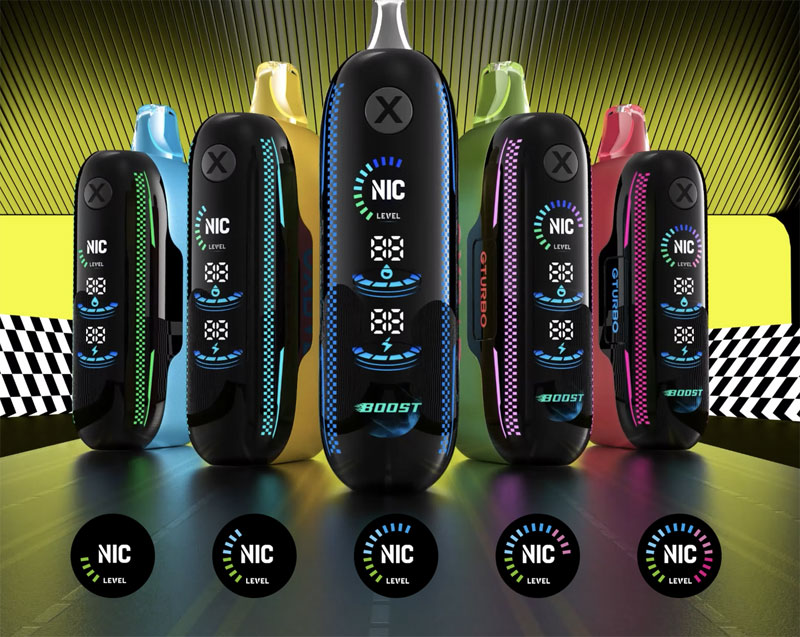 Consumers should look for products that have undergone thorough testing and regulation to ensure they meet safety standards. This includes checking for certifications and avoiding counterfeit or unregulated products.