The emergence of the COVID-19 pandemic has brought about numerous questions regarding its transmission, effects, and interactions with various lifestyle choices. One such area that has garnered attention is the connection between e-cigarettes and COVID-19. As both of these topics have significant health implications, understanding if and how they interact is paramount.
What Are E-Cigarettes?
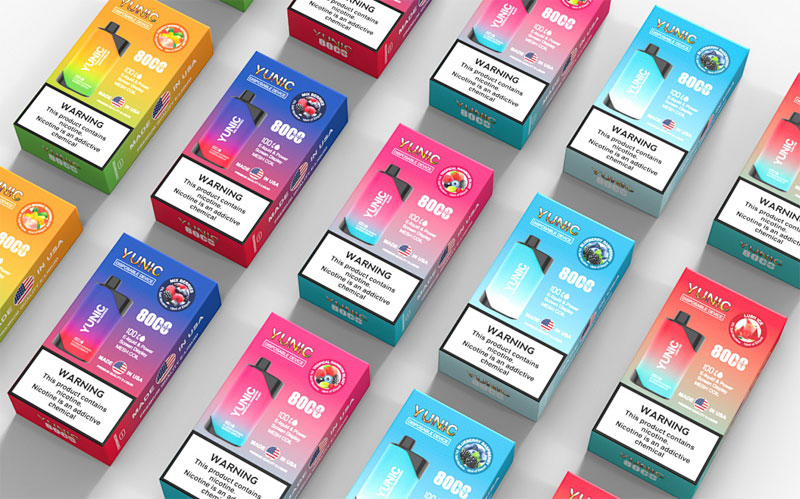
E-cigarettes, often referred to as vapes, are devices that produce an aerosol by heating a liquid that usually contains nicotine, flavorings, and other chemicals. These devices have been marketed as a less harmful alternative to traditional cigarettes, providing smokers with a way to satisfy nicotine cravings without the intake of tobacco smoke.
Potential Health Risks of E-Cigarettes
Although marketed as safer alternatives, e-cigarettes are not without their health concerns. The Centers for Disease Control and Prevention (CDC) highlights that e-cigarette aerosol is not harmless water vapor, as it often contains harmful substances such as nicotine, ultrafine particles, and heavy metals.
COVID-19 Overview
COVID-19 is a respiratory illness caused by the coronavirus SARS-CoV-2. Symptoms range from mild, such as fever and cough, to severe cases leading to pneumonia and death. The virus primarily spreads through respiratory droplets, highlighting the importance of lung health in combating the disease.
The Intersection of E-Cigarettes and COVID-19

Recent studies suggest that those who use e-cigarettes may be at a greater risk of complications from COVID-19. Some research indicates that using e-cigarettes can potentially harm lung function, which is critical for fighting off respiratory infections. The presence of nicotine could also affect the immune response, further compromising the body’s ability to fight off the virus.
“While research is ongoing, initial findings point towards increased susceptibility to respiratory infections for e-cigarette users.”
Why Smokers Should Be Cautious
For individuals who vape, especially those with pre-existing conditions, the possibility of severe COVID-19 symptoms should be a concern. Both smoking and vaping can lead to inflammation and lung damage, which may exacerbate the effects of COVID-19. Public health advisories often recommend reducing or quitting smoking and vaping to protect respiratory health, especially during the pandemic.
Comparative Analysis
While traditional smoking is widely recognized as a significant health risk, particularly concerning COVID-19, the effects of e-cigarettes are still being fully understood. However, the similarity in risk profiles between smokers and vapers is enough for health experts to advise caution.
Personal and Public Health Advice
For those using e-cigarettes, reducing or discontinuing use may help improve respiratory health. Public health campaigns are increasingly focusing on educating the population about the potential risks associated with vaping in the context of COVID-19. This includes measures such as engaging with healthcare providers for alternative nicotine cessation therapies.
- Cover your mouth and nose with a mask to prevent virus spread.
- Maintain social distancing, especially in public spaces.
- Engage in regular handwashing and use sanitizers frequently.
Continuing Research
As the scientific community continues to explore the link between e-cigarettes and COVID-19, ongoing research is crucial. More longitudinal studies will provide deeper insights into how vaping affects COVID-19 outcomes and will inform future public health directives.
FAQs
Are e-cigarette users at greater risk during the pandemic? Yes, studies suggest that e-cigarette users may be at higher risk of severe COVID-19 symptoms due to compromised lung function.
Can quitting vaping improve COVID-19 recovery? While individual health conditions vary, discontinuing vaping can generally enhance respiratory health and may contribute to better recovery prospects.
What are alternative ways to quit nicotine? Consider consulting with health providers for nicotine replacement therapies, counseling, and other cessation programs tailored to your needs.