E-cigarettes have become a prevalent alternative to traditional smoking, attracting a spectrum of users from those looking to quit smoking to hobbyists intrigued by the technology. Understanding the components of e-cigarettes is essential for anyone who uses them, as well as for those looking to broaden their knowledge about this modern device. So, what are the key components of e-cigarettes? Let’s dive into the integral parts that form these electronic devices, their functions, and their influences on the user experience.
Battery: The Power Source
The battery is undoubtedly the heart of any e-cigarette. It provides the necessary power to heat the atomizer or coil, turning the e-liquid into vapor. Most e-cigarettes use lithium-ion batteries due to their efficiency and reliability. These batteries are either built-in or detachable, allowing users to replace them when needed. Variable voltage and wattage options ensure that users can tailor their vaping experience, giving them control over vapor production and flavor intensity.
Atomizer/Coil: The Heating Element
At the core of vapor production is the atomizer or coil. The atomizer contains a coil that heats up when the battery is activated. When the coil reaches a specific temperature, it vaporizes the e-liquid soaked into a wicking material, usually cotton, creating the vapor that is inhaled. The resistance of the coil affects the vapor’s characteristics, including its temperature and density, which is why users often choose different coils for different vaping experiences. Regular maintenance and replacement of coils are essential to preserve the quality of the vape.
E-liquid Cartridge or Tank
The e-liquid cartridge or tank is where the e-liquid, often called vape juice, is stored. Tanks are generally made from glass or reinforced plastic and come in various sizes. Larger tanks mean fewer refills but may make the e-cigarette less portable. Many tanks are refillable, allowing users to choose from a wide array of e-liquid flavors and nicotine strengths. For those using refillable tanks, understanding e-liquid compositions—such as the balance of propylene glycol to vegetable glycerin—is essential, as it influences vapor production and throat hit.
Mouthpiece
The mouthpiece, or drip tip, is where the user inhales the vapor. While it might seem like a minor component, the design and material of the mouthpiece can significantly affect the user’s experience. Mouthpieces are made from a variety of materials such as plastic, metal, and glass, and are often interchangeable, giving users the freedom to customize based on comfort and aesthetic preference. The shape of the drip tip can affect airflow and the density of the vapor, catering to different styles of vaping.
Additional Components and Accessories
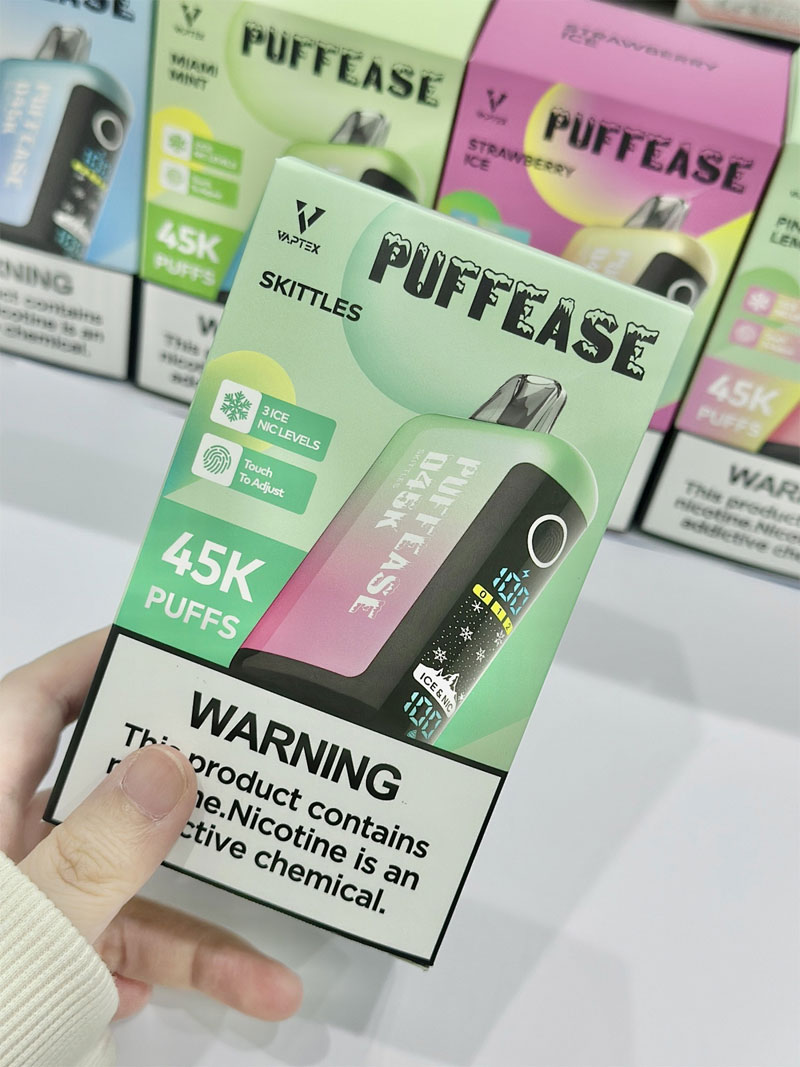
Besides the essential components, e-cigarettes can include various additional features and accessories aimed at enhancing the vaping experience. These may consist of LED displays showing battery levels and settings, air intake controls for customizing draw resistance, and USB ports for charging convenience. Some advanced models include Bluetooth connectivity for apps that track usage or enable remote adjustments to settings.In addition, many enthusiasts customize their devices with wraps or skins to give them a personalized look.
Conclusion: The Integrated Experience
 The combination of these components creates the unique experience that attracts users to e-cigarettes. The flexibility in choices—whether in types of batteries, coils, or tanks—empowers users to tailor their vaping experience meticulously. As technology advances, so will the evolution of e-cigarettes, potentially introducing new components and enhancements. It remains vital for users, both new and seasoned, to stay informed about these components to use the devices safely and effectively.
FAQs
1. What is the typical lifespan of a vape coil?
The coil’s lifespan varies based on usage and the type of e-liquid used. Generally, a coil lasts between one to two weeks. You’ll know it’s time for a replacement when the flavor diminishes or starts tasting burnt.
2. Are all e-liquids compatible with all e-cigarettes?
Not all e-liquids are suitable for every e-cigarette. High VG (vegetable glycerin) liquids, for example, require more power to vaporize and work best in sub-ohm tanks, whereas high PG (propylene glycol) liquids are suited for smaller, mouth-to-lung devices.
3. Can I travel with my e-cigarette?
Yes, but it’s essential to adhere to airline regulations. Generally, e-cigarettes should be packed in carry-on luggage, and e-liquids need to meet liquid restrictions.
The knowledge of these components opens up a whole new level of understanding and appreciation for the complexity and innovation behind e-cigarettes.