Electronic cigarettes, commonly referred to as e-cigarettes, have gained immense popularity in recent years. As an alternative to traditional tobacco smoking, they are often marketed as a safer option. However, many users remain unaware of the potential dangers associated with these devices, primarily due to the presence of hazardous chemicals.
Understanding E-Cigarettes
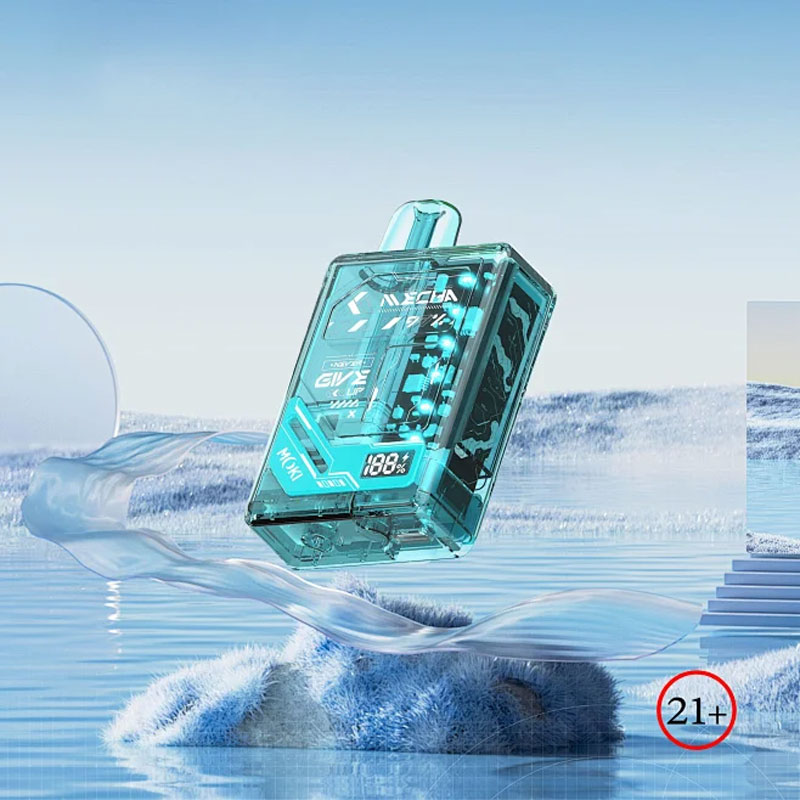
Featuring a range of designs, e-cigarettes typically consist of an atomizer, a power source, and a cartridge containing the e-liquid, often called vape juice. The e-liquid is composed of a variety of substances, including propylene glycol, vegetable glycerin, flavorings, and nicotine. When heated, this e-liquid transforms into vapor—a process commonly referred to as vaping.
The Chemical Components

While e-cigarettes do not contain tobacco, their e-liquids still harbor a myriad of chemicals. Notably, nicotine—a highly addictive substance—is a primary component. Beyond nicotine, other dangerous chemicals in e-cigarettes may unexpectedly impact one’s health.
Propylene Glycol and Vegetable Glycerin
Used as a base for many e-liquids, propylene glycol and vegetable glycerin are generally considered safe for consumption. However, when heated and inhaled, they can degrade into toxic compounds such as formaldehyde and acetaldehyde, both of which are recognized as carcinogens.
The Threat of Flavorings
Vaping owes much of its appeal to the diverse flavor profiles available. While these flavors may seem enticing, the chemical constituents used to create them can pose significant health risks. Diacetyl, for example, is a compound frequently found in buttery flavors and is linked to a severe lung condition known as ‘popcorn lung.’ Despite the associated dangers, diacetyl is still detectable in many vape juices. Additionally, benzyl alcohol and benzaldehyde, which are used in fruit and dessert flavors, may irritate the respiratory system.
Heavy Metals and Other Contaminants
Studies have revealed the presence of heavy metals in e-cigarette vapor, likely originating from the heating coils. These metals, including nickel, lead, and cadmium, are known for their toxicological effects on human health. Over time, exposure to these metals can lead to respiratory distress, cardiovascular complications, and other systemic health issues.
Health Implications
The inhalation of dangerous chemicals in e-cigarettes can have both immediate and long-term health consequences. Short-term effects may include irritation of the eyes, throat, and airways. Long-term use raises the risk of more severe health problems, such as lung disease, cardiovascular disease, and cancer.
Misconceptions About E-cigarette Safety
Many believe that e-cigarettes are a harmless pastime or an effective cessation tool. However, given the presence of harmful compounds, they pose significant health risks, often underestimated by their users. Regulation and informed understanding are both crucial in mitigating these risks and informing the public of the true nature of vaping.

Conclusion
While e-cigarettes offer a different experience from traditional smoking, they are not devoid of risk. The presence of various hazardous chemicals highlights the need for caution amongst users. Avoiding these products and considering safer alternatives may be a wise choice for those concerned about their health.
Frequently Asked Questions
Q: Are the chemicals in e-cigarettes more dangerous than those in traditional cigarettes?
A: While traditional cigarettes contain thousands of chemicals, including many carcinogens, e-cigarettes still pose significant health risks due to the presence of harmful chemicals in the vapor.
Q: Can using e-cigarettes lead to nicotine addiction?
A: Yes, since most e-liquids contain nicotine, which is addictive, users of e-cigarettes can quickly develop a dependency on nicotine.
Q: Are there safer alternatives to e-cigarettes?
A: Nicotine replacement therapies, such as patches or gum, can be considered safer alternatives for those looking to quit smoking without resorting to e-cigarettes.