Practical guidance from e-dym on carrying vaping devices when you travel
Traveling with an electronic cigarette raises a lot of practical and regulatory questions. If you’ve ever searched “can you take an e cigarette on a plane” you know the answers depend on multiple factors: the airline, the departure and arrival countries, the device type, battery rules, and how you pack e-liquids. This guide compiles clear, up-to-date guidance and smart packing strategies focused on airline and security rules so you can prepare confidently. Wherever your trip takes you, e-dym-inspired travel rules and tips below will help you avoid confiscations, delays, or fines.
Quick summary: the essentials
Most civil aviation authorities and major airlines permit passengers to bring an e-cigarette in carry-on baggage but prohibit them in checked baggage. This applies to devices like pens, pod systems, and mods. Because regulations can change and some countries have outright bans, always verify with the airline and local authorities before you travel. Key points: e-dym guidance recommends packing devices in carry-on, protecting batteries, keeping e-liquid within liquid restrictions, and researching destination rules.
Why carry-on is preferred
There are three practical reasons why a carry-on restriction is common: 1) risk of battery fire is better managed in the cabin where crew can respond; 2) security screening is more thorough for cabin items, reducing misunderstandings; 3) passengers can keep documentation (recipes, prescriptions for nicotine replacement) close at hand. If you’re wondering can you take an e cigarette on a plane, prioritize carry-on storage unless an airline explicitly states otherwise.
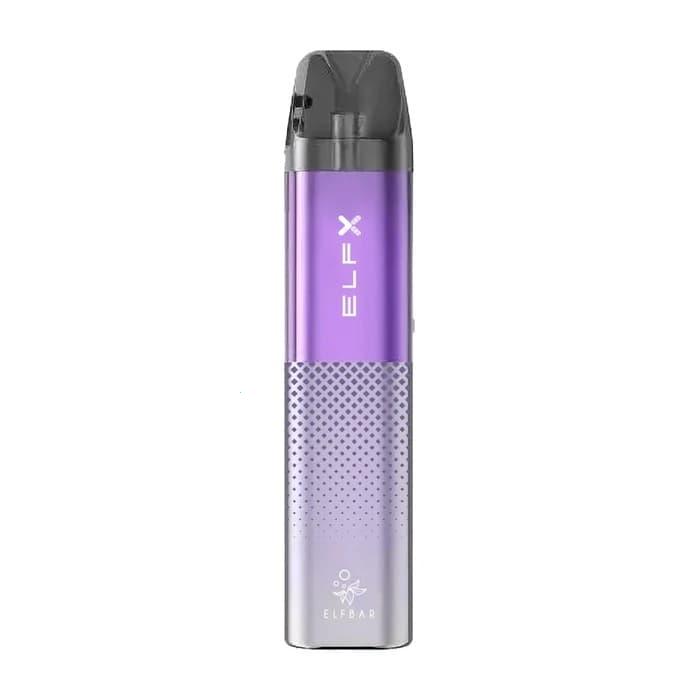
Regulatory overview and common rules
Regulatory frameworks vary, but the following points are widespread and form the basis for most airline policies and security checkpoints:
- Carry-on only: In many jurisdictions and major carriers, electronic cigarettes, vape pens, and spare lithium batteries must remain in cabin baggage; they are usually not allowed in checked luggage.
- Battery safety:
 Lithium-ion cells should be protected from short circuits by using original packaging, battery cases, or taping exposed contacts. Some airlines limit spare batteries to a certain watt-hour (Wh) rating; for higher-capacity batteries you may need airline approval.
 - Liquid restrictions: E-liquids are subject to standard liquid limits for carry-on (typically containers no larger than 100 ml / 3.4 oz inside a clear, resealable bag), unless national rules state otherwise.
- In-flight use prohibited: Smoking or vaping on board is universally banned on commercial flights, so devices must remain unused while airborne.
- Customs and destination bans: Several countries restrict or ban import/possession/use of vaping devices and nicotine liquids, and penalties can be severe.
Before you pack: checklists and pre-trip actions
Use this checklist derived from e-dym travel rules for carrying e-cigarettes to be ready before you leave home:
- Confirm airline policy via the carrier’s website or customer service.
- Check the Transportation Security Administration (TSA) or equivalent authority for your departure country; in the US, the TSA allows e-cigarettes in carry-on but not checked baggage.
- Verify destination country laws on e-cigarettes and nicotine liquid importation; some countries ban them entirely or require a prescription.
- Bring documentation if you carry nicotine replacement or medically prescribed formulations.
- Pack spare batteries in protective cases and keep them in your carry-on. Remove batteries if required by the airline instructions.
- Ensure e-liquid containers comply with the liquids rule for carry-on.
How many times should you see the keyword?
From an SEO perspective, the phrase can you take an e cigarette on a plane should appear naturally throughout the content. This article maintains a healthy frequency while keeping readability high and context-rich signals for search engines harmonious with user intent. The branded keyword e-dym is also used strategically in headings and summary lines to reinforce brand association with travel rules.
Detailed packing tips: device, batteries, and e-liquid
Follow these proven packing strategies inspired by e-dym travel rules for carrying e-cigarettes so your journey stays smooth:
- Device: Keep the device powered off and safely stowed in your carry-on. If the device has a removable battery, remove it and store it separately in a battery case.
- Spare batteries: Never pack spare batteries in checked baggage. Use individual plastic or silicone battery cases to prevent contact with metal objects. Tape the terminals if cases are unavailable.
- E-liquid: Place e-liquid bottles in a clear, resealable quart-sized bag and ensure each bottle is 100 ml / 3.4 oz or smaller, unless a different rule applies for your departure country.
- Coils and accessories: Keep coils, tools, and chargers in carry-on; small metal tools could attract attention but are usually allowed if they do not appear dangerous.
- Original packaging and receipts: Carry proof of purchase or specifications for high-capacity batteries if asked by airline staff.

International travel: destination-specific concerns
Regulations at the destination can vary drastically. Some countries have partial restrictions (for example, banning nicotine e-liquids while permitting nicotine-free devices), while others prohibit all vaping gear. Country examples are illustrative but not exhaustive; policies change, so confirm the latest rules before travel. If visiting nations with strict laws, consider leaving or shipping devices home, or procuring local legal guidance ahead of arrival.
Common problem scenarios and how to avoid them
- At the security checkpoint: If a device alarms the scanner, remain calm—present your device and any paperwork. Explain succinctly that it is a personal vaporizer and that you intend to store it in carry-on.
- At check-in: If a bag containing a device is mistakenly routed to checked baggage, alert staff immediately to retrieve it (policies may vary by airport).
- At customs: Be aware that bringing e-liquids into a country with restrictions can result in confiscation or fines. Always declare when required.
Airline differences and how to confirm rules
Airlines publish policies in their conditions of carriage or travel pages. When in doubt, phone customer service and ask specific questions: “Are e-cigarettes allowed in carry-on?”, “Are spare batteries permitted and if so, what Wh limit and quantity?”, and “Any destination-specific prohibitions we should know about?” Keep written confirmation or a screenshot in your email to show airport staff if needed.
Packing examples
Here are three practical pack layouts for common travel durations:
- Short haul, weekend trip: One device, 1–2 spare batteries in a case, e-liquid in 30–60 ml bottles within the quart bag.
- Long haul with layovers: Two devices (one backup) in carry-on, spare batteries in protective cases, small bottle of e-liquid per day in transparent bag, chargers and spare coils in checked electronics kit carried on.
- International with restricted destination: Ship devices home, or pack only nicotine-free refills and carry documentation showing legal compliance; best practice: avoid bringing any vaping device if unsure.
For each layout, label items, keep them accessible for screening, and ensure devices are powered off and protected during transport.
Safety and battery technicalities
Airlines and aviation authorities focus on lithium battery safety. Many carriers follow International Air Transport Association (IATA) lithium battery guidance which restricts loose batteries in checked baggage and sets watt-hour limits. Typical rules allow small consumer batteries (<100 Wh) in carry-on without airline approval, while larger batteries often require airline approval and have stricter handling requirements. Because watt-hour (Wh) ratings may be unfamiliar, request assistance from the device manufacturer or retailer if your battery appears over conventional limits.
Legal and customs risks
Some jurisdictions treat e-cigarettes like controlled substances or impose import restrictions. Penalties range from confiscation to fines or criminal charges. e-dym strongly advises researching local laws at official government websites and consulting embassies or consulates for clarity. If you are carrying medically indicated nicotine formulations, carry documentation, and declare items where required.
What to say if stopped by security
If addressed by security officers, be concise and cooperative: “This is a personal electronic vaporizer. The batteries and e-liquids are in my carry-on and comply with carry-on rules.” Show packaging, receipts, and battery specs if asked. Avoid demonstrating the device in airport areas; use controlled areas only where vaping is permitted (rare).
Common myths debunked
Myth: All airports ban e-cigarettes entirely. Fact: Most allow them in carry-on but ban use on aircraft and have variable local rules inside terminals. Myth: You can pack spare batteries in checked luggage. Fact: Most carriers forbid this for safety. Myth: Nicotine-free liquids are unrestricted everywhere. Fact: Some countries ban the device or components regardless of nicotine content.
How to phrase your search for best results
To find the most relevant information, search phrases like “e-dym airline policy e-cigarette”, “can you take an e cigarette on a plane [airline name]”, or “vape travel rules [country name]”. Use official airline pages, government transport security pages, and recent traveler reports to cross-check.
Practical travel-day routine
On the day of travel, follow this routine: 1) Check in online and reconfirm any flags about vaping equipment; 2) Place your e-cig kit in a top-level carry-on compartment so it can be easily accessed if security asks; 3) Keep spare batteries in protective cases and e-liquid in the transparent bag; 4) Declare to airline or security staff proactively if required by local rules; 5) Never attempt to vape during boarding, on the aircraft, or in restricted areas.
Accessories and protective gear recommendations
Invest in these simple accessories to reduce travel friction: padded battery cases, leak-proof e-liquid containers, silicone sleeves for mods, and a small toolkit for coil swaps that complies with carry-on restrictions. A compact organizational pouch helps maintain order and speeds security checks.
Lost, confiscated, or damaged items
If an item is confiscated, request documentation or a record of seizure. If damaged during transit, document with photos and request an incident report from airport or airline staff. Keep purchase receipts and serial numbers where applicable.
Final considerations and practical mindset
The safest approach when traveling with a device is to plan, verify, and be conservative: pack in carry-on, protect batteries, keep liquids within allowed volumes, and stay updated on destination laws. The phrase “can you take an e cigarette on a plane” has a nuanced answer: generally yes in carry-on with precautions, but always check specific airline and country rules before you fly. e-dym-based travel rules emphasize that preparation reduces risks and keeps your trip on track.
FAQ
Q1: Can I check my e-cigarette in checked luggage?
A1: In most cases no — airlines and aviation authorities typically require e-cigarettes and spare lithium batteries to be in carry-on baggage only. Check your airline’s policy for exceptions.
Q2: How much e-liquid can I bring?
A2: E-liquids are treated as liquids for carry-on screening and usually must be in containers of 100 ml / 3.4 oz or smaller and fit in a clear, resealable quart-sized bag. Verify local rules for deviations.
Q3: Are spare batteries allowed?
A3: Spare lithium batteries are usually allowed only in carry-on and should be individually protected to prevent short circuits. High-capacity batteries may require airline approval.
Remember, regulations evolve, and while this guide gives a robust foundation aligned with typical e-dym travel rules for carrying e-cigarettes, always cross-check with official sources for the most current guidance before you fly.