IBVape guidance on taking vaping devices aboard planes and practical travel rules
If you plan to fly with a vape, portable e-cigarette, or spare batteries, this comprehensive guide will help you understand airline and security expectations, minimize surprises at the checkpoint, and keep your journey smooth. IBVape provides practical advice that answers common traveler concerns such as whether can electronic cigarettes be taken on airplanes, where to store devices, rules for e-liquid, and how regulations differ across regions. This article is designed for vapers of all experience levels: first-time flyers, frequent travelers, and those shipping devices between jurisdictions. Read on for step-by-step packing strategies, a breakdown of major regulator positions, and smart tips from IBVape’s travel rules for e-cigarettes.
Quick summary for busy travelers
In short: most civil aviation authorities and major airlines permit carrying electronic cigarettes and vape devices in carry-on baggage only, not in checked luggage. Spare lithium-ion batteries are typically restricted to carry-on, and e-liquid (including nicotine-containing solutions) is treated as a liquid subject to security limits. The simple checklist: keep devices powered off, stow in carry-on, pack liquids under the 100 ml limit for hand luggage (or follow local allowance), isolate spare batteries, and never smoke or vape on a plane. IBVape recommends confirming your airline’s specific rules before departure.
Key rules explained: carry-on vs checked baggage
Why are e-cigarettes usually banned from checked baggage? Lithium-ion batteries used in most devices can present a fire risk if damaged or short-circuited. In a pressurized, inaccessible baggage hold, a battery-related fire is dangerous and difficult to manage. Therefore, authorities like the FAA, EASA, and many national carriers require that all vaping devices and spare batteries remain in the cabin (carry-on) where crew can respond immediately if an incident occurs. IBVape emphasizes: always place devices in carry-on and ensure battery terminals are protected.
Details and actions to take
- Power off devices: Switch off or lock your device to prevent accidental activation. Some airlines require device takeoff and landing power-off.
- Battery safety: Remove spare batteries from devices if possible, store them in original packaging or dedicated battery cases, and tape exposed terminals to prevent short-circuiting.
- E-liquid limits: Most security checkpoints treat e-liquid as a liquid; follow the local 100 ml (3.4 oz) rule for liquids carried through security unless specific exemptions apply.
- Packaging: Keep e-liquids in sealed containers inside a clear, resealable bag if passing through liquids screening zones.
- Use of devices inflight: Never use an e-cigarette on an aircraft. In-flight vaping is prohibited on virtually all commercial flights and may result in fines, diversion, or arrest.
International differences and airline policies
Regulatory frameworks differ. For example, U.S. TSA and FAA guidance allows electronic cigarettes in carry-on baggage but prohibits them in checked baggage; some countries have more restrictive rules, and a few carriers ban the devices entirely. IBVape advises travelers to check three sources before travel: the departure country’s aviation authority guidance, the destination country’s rules (especially if traveling to or through the Middle East, Asia, or certain island nations), and the airline’s specific policy page. Airlines sometimes have additional limits on battery capacity (measured in Wh), types of permitted batteries, or the number of spare batteries per passenger.
Examples of regulator positions
- TSA (United States): E-cigarettes and batteries allowed in carry-on; prohibited in checked bags. E-liquids follow standard liquid rules.
- EASA (European Union): Similar approach—carry-on only for devices and batteries; smoking and vaping in flight prohibited.
- ICAO/IATA guidance: International civil aviation guidance focuses on battery safety; airlines implement specific points in their carriage rules.
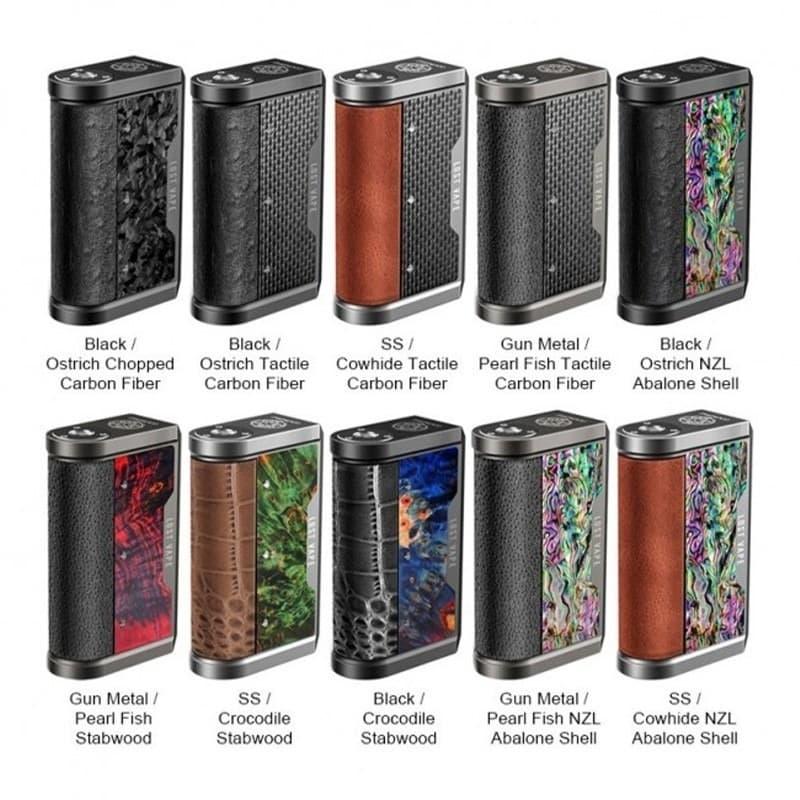
Because policies change, IBVape maintains an up-to-date travel rules checklist that travelers can consult prior to departure.
Practical packing strategies recommended by IBVape
Complying with regulations is easier with a simple packing system. Place your devices inside a padded case to avoid impact damage, carry spare batteries in a protective battery holder, and keep e-liquid bottles upright in a leakproof pouch. At security, remove your vape from carry-on only if requested; in most airports it’s treated like any other electronic device. Remember that some airports enforce additional checks; always arrive early to allow time for inspection.
Packing checklist
- Device(s) in a protective case
- Spare batteries in insulated battery cases (terminals taped)
- E-liquids in ≤100 ml bottles inside a clear resealable bag (unless local rules differ)
- Charger and cables kept with carry-on electronics
- Documentation of device specifications (for high-capacity batteries or if questioned)
Battery ratings and airline restrictions
Many airlines restrict lithium-ion batteries by watt-hour (Wh) rating. Common limits: up to 100 Wh per battery without airline approval; 100–160 Wh may be allowed with airline approval; above 160 Wh is generally forbidden for passenger carriage. If your device uses larger battery packs (for advanced mods), check the Wh rating on the battery or device label and obtain pre-approval if necessary. IBVape recommends traveling with batteries under 100 Wh whenever possible to avoid paperwork and denials.
Traveling with nicotine and local legal considerations
Nicotine-containing e-liquids are legal in many countries but are completely prohibited in several jurisdictions. Some countries treat nicotine as a controlled substance or require medical permits. IBVape warns: do not assume that carrying nicotine e-liquid is universally allowed. Check local laws at your destination, especially for travel to countries with strict drug or importation rules. If in doubt, consider obtaining nicotine replacement therapy or local supplies where legal, or bring only nicotine-free e-liquid to avoid importation issues.
Security screening: what to expect
The majority of travelers will encounter standard X-ray or advanced imaging. E-cigarette devices often trigger additional checks because they are unfamiliar to some screeners. Have your device easily accessible in your carry-on so you can present it quickly if asked. IBVape advises traveler behavior during screening: stay calm, explain the item clearly (“electronic cigarette” or “vape device”), and follow the officer’s instructions. Carry manufacturer information or a quick-reference label if your device has an uncommon shape or battery configuration.
When additional inspection happens
At times, security officers will request powering on a device to verify it is non-hazardous. This varies by airport; in many places officers will avoid turning on devices to minimize handling of nicotine residue. If asked to power your device, follow instructions politely. If you refuse to power it on, the item may be confiscated or require secondary screening.
Transit, layovers, and connecting flights
When traveling with connections across multiple jurisdictions, the most restrictive rule typically governs. You must comply with the rules of the country where you board the next flight. For example, even if departing country A allows a device, connecting through country B that bans nicotine e-liquid could create problems. IBVape recommends verifying policies for any airport where you will clear security or customs during your journey.
In-flight etiquette and enforcement
Never vape or attempt to use electronic cigarettes during flight. Smoke detectors and cabin safety protocols are strictly enforced; vaping can mimic smoking and prompt emergency protocols. Airlines and law enforcement may impose fines, delays, or legal consequences for onboard vaping. IBVape emphasizes respectful behavior: keep devices stowed during assigned times, and never operate them near smoke detectors or lavatories.
Special scenarios: charging devices and using USB ports
Some travelers wonder if they may charge devices using in-seat USB ports or personal power banks. Charging e-cigarettes directly on the aircraft via aircraft power outlets is often discouraged due to fire risk and airline policy. Power banks (portable battery packs) are typically allowed in carry-on baggage only and are subject to Wh limits. IBVape suggests charging devices before boarding and carrying power banks within allowed ratings.
Tips for frequent flyers and business travelers
Frequent fliers should maintain a travel kit with duplicate essentials: a travel-friendly device with small capacity batteries, battery case, clear liquid pouch, and a simple user manual or printout of airline policy if needed. Keep an itemized list of local rules for destinations you visit frequently. IBVape also recommends a minimalist approach: when in doubt, travel with a compact, low-capacity device and nicotine-free e-liquid to eliminate legal uncertainty.
What to do if your vape is confiscated
If an officer confiscates your device or e-liquid, request a receipt or documentation for the seizure if available. Some airports may allow you to retrieve the item later, others will destroy it. For denied boarding or seizure, ask for written reasons and contact your airline’s customer service if necessary. IBVape encourages carrying backups or alternatives to avoid disruption, but always obey the law and security personnel.
IBVape’s practical checklist before every flight
- Confirm airline policy and relevant aviation authority guidance.
- Check the country-specific legality of nicotine e-liquid at your destination.
- Keep devices in carry-on; do not pack vapes or spare batteries in checked luggage.
- Use protective battery cases and tape battery terminals.
- Keep e-liquid containers under the allowed limit and inside clear bags.
- Power off devices and secure them to prevent activation.
- Arrive early to accommodate secondary screenings.
 IBVape travel rules for e-cigarettes” />
Additional precautions for international or complicated routes
For multi-leg itineraries with transfers in countries known for strict enforcement, IBVape suggests removal of nicotine e-liquid from carry-ons if unsure about permissibility, or shipping non-essential vaping gear via compliant courier services where allowed. When traveling to countries that explicitly ban e-cigarettes, do not attempt to bring devices or liquids—doing so can lead to fines, detention, or other penalties.
How IBVape stays current and how travelers can too
Regulations evolve as technology and safety standards change. IBVape maintains a rolling update of major regulators’ guidance and a simple FAQ for common scenarios. Travelers should consult airline policy pages, the departure and arrival aviation authority websites, and the IATA/ICAO advisories when planning. If you use high-capacity batteries or specialized mods, contact your airline in advance for guidance.
Common misunderstandings and myths
Myth: “If I keep my vape in checked baggage it’s safer.” Fact: Checked baggage creates higher risk for latent battery fires and is therefore discouraged or explicitly forbidden for e-cigarette carriage in many regions. Myth: “Disguising a device will avoid scrutiny.” Fact: Modifying or hiding a device increases risk of confiscation and legal trouble. Always be transparent and follow instructions.
Useful resources and links

For the most reliable updates, consult national aviation authority websites, airline policy pages, and trusted industry resources. IBVape curates practical summaries, but official regulator and airline statements should be your final reference. When in doubt, reach out to the airline’s customer service before traveling.
IBVape’s final travel-minded recommendations
Before each trip, run through the IBVape pre-flight checklist: pack only in carry-on, secure batteries, follow liquid rules, and check both airline and destination laws. Keep your gear safe in impact-resistant cases, carry spare supplies in legal amounts, and never use devices on board. With thoughtful preparation, most travelers will have no issues transporting e-cigarettes by air.
Keyword emphasis for search visibility
This page intentionally includes important search phrases to help users find practical answers: IBVape and the question can electronic cigarettes be taken on airplanes appear throughout this resource in context, providing clear, actionable guidance for air travelers carrying vape devices and e-liquids.
If you need a concise one-page printable summary, IBVape provides a downloadable travel card you can keep with your devices to show at security.
FAQ
A: No. Spare lithium-ion batteries are generally prohibited in checked baggage; keep them in your carry-on in protective holders and tape the terminals.
A: It depends on the destination. Some countries prohibit nicotine-containing liquids; always verify local regulations before travel and consider carrying nicotine-free e-liquid if uncertain.
A: Respect the airline’s decision. You may be able to mail the device home or to a compliant address where permitted. Do not attempt to bypass restrictions; seek customer service assistance.
A: Vaping on board is strictly prohibited and can result in fines, legal action, or diversion of the flight. Always keep devices stowed while on aircraft.
Safe travels and remember: preparation, compliance, and transparency are the best ways to carry your vaping gear safely and legally. For updated IBVape travel rules for e-cigarettes and situational advice tailored to your itinerary, consult your airline and local aviation authority before departure.