Traveling with vaping gear: practical guidance for E-Zigaretten users and a clear answer to “can you check in e cigarette”
If you are preparing for a trip and you own E-Zigaretten, it’s essential to understand airline rules, battery safety, and security screening so you won’t be surprised at the airport. This comprehensive guide answers common concerns — including the critical question can you check in e cigarette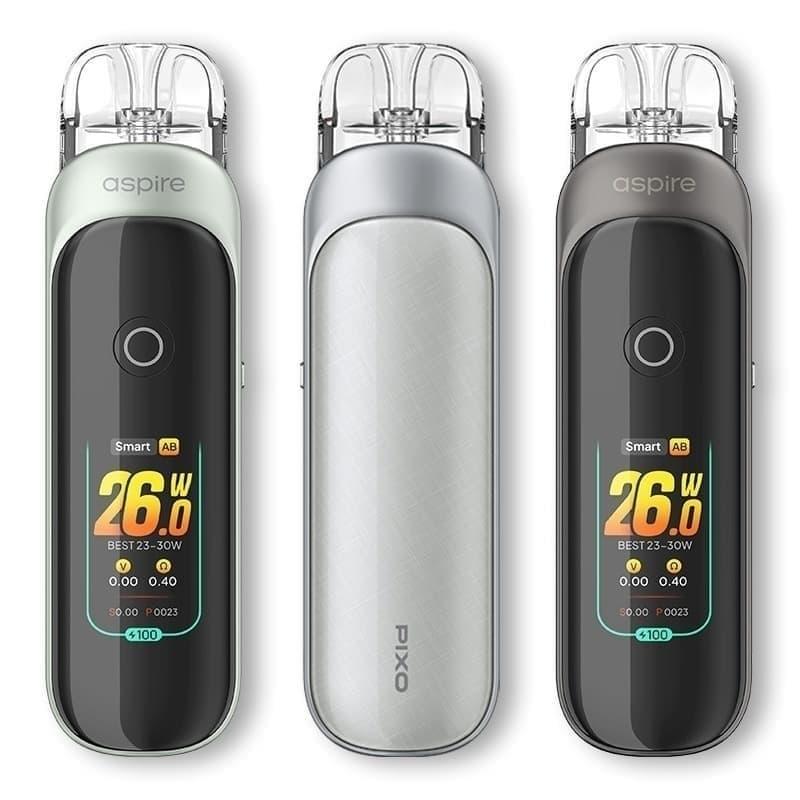 — and offers step-by-step packing strategies, regulatory background, and on-board protocols that keep you compliant and your devices safe.
Quick summary: the short answer to can you check in e cigarette
Short answer: in most cases, you should NOT put your E-Zigaretten or spare lithium batteries in checked baggage. Major international regulators and most airlines require electronic nicotine delivery systems and batteries to be carried in the cabin (carry-on baggage) due to fire risk. There are narrow exceptions for certain devices and professionally packaged shipments under special permission, but travelers should assume stove-piped rules: carry-on for devices and spare batteries; tanked devices are subject to e-liquid limits and security screening.
Why airlines restrict checked e-cigarettes and batteries
The primary reason for restrictions is safety: lithium-ion batteries that power many E-Zigaretten can overheat, short-circuit, or experience thermal runaway if terminals are damaged or if physical compression occurs in checked baggage. Fires in the cargo hold are far more dangerous because they are harder to detect and manage than cabin fires. For that reason, aviation authorities such as the FAA, IATA, EASA, and many national civil aviation authorities mandate cabin carriage for devices with lithium batteries. Always check your airline’s specific policy before you travel.
Regulatory background and standard rules
- Carry-on required: Most airlines require that all electronic smoking devices, including E-Zigaretten, be transported in the cabin.
- Battery watt-hour (Wh) limits: Spare lithium-ion batteries typically must be under 100 Wh to be carried freely in carry-on; devices with batteries between 100 Wh and 160 Wh usually require airline approval and are limited in quantity.
- Spare batteries: Must be carried in carry-on and protected from short circuit (tape terminals, original packaging, or individual plastic sleeves).
- Power banks: Treated as spare batteries and often require carry-on carriage; some airlines limit capacity and number.
- E-liquids: Subject to liquid limits for carry-on (typically 100 ml / 3.4 oz per container in a single transparent bag in many regions) unless purchased after security or placed in checked baggage where allowed by local aviation rules but note that checked e-liquids may be subject to leakage and temperature changes.

Detailed packing checklist for E-Zigaretten travel
- Devices: Carry them in your hand luggage. Remove tanks with liquid if required at security; keep devices powered off and ideally in protective cases to avoid accidental activation.
- Spare batteries: Pack spare cells in your carry-on, not checked luggage. Use battery cases or individually wrap terminals with tape. A best practice is to keep batteries in original packaging or anti-static sleeves.
- Battery capacity labeling: If uncertain about the Wh rating, calculate it: Wh = (mAh × V) / 1000. Many 18650 or similar cells include mAh and voltage on the label; if not, consult the manufacturer.
- Power banks and USB chargers: Carry them in carry-on. If your power bank has more than 100 Wh but less than 160 Wh, seek airline approval; over 160 Wh is generally forbidden in passenger aircraft without special arrangements.
- E-liquids and cartridges: Keep liquids under the permitted size for your cabin luggage region (commonly 100 ml), and place them in clear bags for security. Consider using leak-proof bottles and keeping them upright in a padded container.
- Tools and accessories: Small metal tools like tweezers or coil jigs may be restricted by some security lines; consult the airport’s carry-on rules or pack them in checked baggage if allowed and safe.
How to protect batteries and reduce fire risk
Proper insulation and terminal protection are the backbone of battery safety. E-Zigaretten users should:
- Store spare batteries in rigid, non-conductive battery cases;
- Avoid loose batteries in pockets or bags where keys, coins, or loose metal may cause a short;
- Tape battery terminals with electrical tape if no case is available;
- Do not transport damaged, swollen, or recalled batteries; dispose of them safely before travel;
- Do not expose batteries to extreme temperatures or leave them in a hot car trunk for extended periods;
- Keep devices from accidental activation by using travel lock features or removing batteries where possible.
Airport security screening: what to expect
At security, expect to remove e-cigarette devices and power banks from your carry-on for visual inspection in some airports. Devices may be swabbed for residue, and e-liquids are treated as other liquids. Because policies vary, arrive early and be prepared to demonstrate that your devices are inert and properly stored. When asked, declare spare batteries and power banks if you are unsure about a particular security officer’s request. The phrase can you check in e cigarette often surfaces here: security staff may interpret local rules strictly, and some carriers may insist that certain types of devices or large batteries cannot be accepted at all.
International variations and examples
Rules differ by country and airline. A few examples to illustrate the diversity:
- United States (TSA & FAA): E-cigarettes and batteries must be in carry-on; no e-cigarettes in checked baggage. Power banks prohibited in checked baggage.
- European Union (EASA and national authorities): Carry-on preferred; local airlines may add extra requirements such as turning off devices and storing them in separate bins during screening.
- United Kingdom: Similar to EU; some carriers like W carriers may have brand-specific prohibitions if a device has been involved in incidents.
- Asia and Middle East: Many carriers restrict or ban use of e-cigarettes on board and may have stricter rules for checking devices; always review local carrier policy before travel.
Airline policies: examples and how to check
Airlines publish rules in their conditions of carriage or dangerous goods pages. Use search queries like airline name electronic cigarette policy and your airport’s website to verify. When in doubt, call the airline’s customer service. If your device or battery exceeds standard limits (for example, specialized high-capacity batteries), get written approval from the carrier before you arrive at the airport.
Practical packing method step-by-step
Follow this practical routine before leaving home:
1) Fully power down and, if possible, remove batteries from devices.
2) Place devices in a dedicated padded case and mark it clearly.
3) Place spare batteries in individual non-conductive sleeves or taped terminals and then in a rigid case.
4) Put e-liquids in sealed, leak-proof containers placed in a clear plastic bag that meets carry-on liquid rules.
5) Keep all items together in the top of your carry-on for easy access at security.
6) Have documentation or photos of battery specs ready if airline staff request proof of capacity.
Onboard rules and etiquette
Even if your items are packed correctly, using e-cigarettes onboard is almost always forbidden. Never attempt to vape on a plane, in terminals where banned, or in airport lounges that restrict use — doing so can lead to fines, removal from the flight, or further sanctions. If you need to store a device temporarily during a long flight, speak with the cabin crew; they will advise and, in extreme cases, may request to secure a problematic device for safety.
Shipping e-cigarettes vs. carrying them
If you must transport multiple devices or large batteries, consider shipping them via a carrier that accepts hazardous materials using proper packaging and declarations. Note that ground-only shipments or specialized carriers may be required; air shipment of lithium batteries is tightly regulated. For personal travel, carrying items in the cabin is generally simpler, quicker, and safer.
Tip: Keep a small “travel e-cig kit” containing a case, spare battery sleeves, tape, and an empty 100 ml refill bottle to avoid last-minute checking rules.
Hazmat and airline approval: when to seek special permission
Seek airline approval when:
– Your battery is labeled 100–160 Wh and you have multiple units;
– You’re transporting a large number of devices or commercial quantities of e-liquid;
– You have non-standard battery chemistries or modified devices that might raise safety concerns.
Always get written confirmation and bring the approval documentation to the airport. Some airlines will refuse carriage even with approval; that’s why pre-travel confirmation is essential.
What to do if an airline asks you to check your E-Zigaretten
If staff ask you to check the device despite standard rules, calmly request to speak with a supervisor and explain safety standards: checked baggage is riskier for batteries. If the airline insists, comply — do not argue. Make note of the incident, including names and documentation, and consider filing a complaint afterward. Remember: your immediate compliance reduces conflict and protects safety.
Special cases: disposable e-cigarettes and nicotine pouches
Disposable devices with integrated batteries are often treated the same as reusable devices. Some airlines and countries have moved to ban disposable vapes entirely, citing environmental or safety concerns. Nicotine pouches (non-battery products) are usually treated like other tobacco substitutes and are subject to customs and excise rules — check destination laws for import limits and age restrictions.
Emergency procedures and incident prevention
If a battery becomes hot, emits smoke, or shows signs of failure, keep it isolated in a non-combustible container and notify airline staff immediately. In the cabin, crew are trained to deal with smoke and fire; in cargo, detection may be delayed. Prevent such emergencies by only carrying batteries in good condition, avoiding mixing used and new batteries, and never charging devices unattended and in checked luggage.
Practical travel examples
Example A (short-haul business trip): Place one device and two spare batteries in your carry-on in a small padded case. Keep e-liquid under 100 ml containers in a 1 L clear bag. Arrive 90 minutes early and be prepared to show the battery rating.
Example B (international holiday): If you have several devices, reduce to the minimum you need, plan to buy e-liquid at your destination if allowed, and check airline-specific battery allowances. Consider purchasing replacement batteries at destination if shipping rules are unclear.
Additional travel-smart tips
- Carry printed or digital copies of manufacturer battery specs if possible.
- Avoid jury-rigged modifications or improvised batteries.
- Label your kit clearly so security staff can quickly assess it.
- Store e-liquids in leak-proof packaging and keep receipts when possible to prove purchase and volume.
- Consider a travel-sized cleaning kit to maintain tanks and connectors between flights.
FAQ — Frequently asked questions
Q1: Can I check an e-cigarette with the battery inside?
A1: Most airlines prohibit checked e-cigarettes with batteries installed because they pose a fire risk. Remove batteries and carry devices in the cabin whenever possible. If your airline specifically authorizes checked devices in unique circumstances, get confirmation ahead of time.
Q2: What is the maximum battery size I can bring on a plane?
A2: Standard policy allows lithium-ion batteries up to 100 Wh in carry-on without approval. Batteries between 100 Wh and 160 Wh usually require airline approval and are limited in number. Batteries over 160 Wh are typically prohibited. Always verify with the carrier.
Q3: Are disposable vapes treated differently?
A3: They are usually treated similarly to reusable E-Zigaretten because they contain lithium batteries. However, some regions or airlines have stricter rules or outright bans on disposables; check local and airline guidance.
Final note: Travel rules evolve. Before every flight, check the latest guidance from your airline and the airport, and use search queries that include both terms like E-Zigaretten and the question “can you check in e cigarette” to find updated policies, recent incident advisories, or country-specific restrictions. Safe travels and stay informed.