Battery
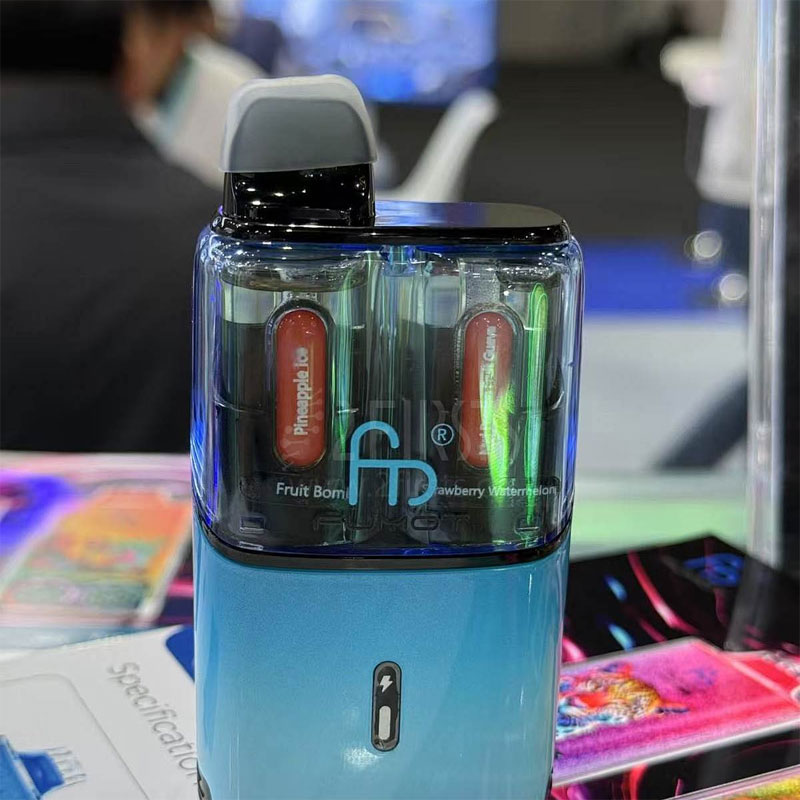
The battery in e-cigarettes is one of the most crucial components. It supplies the necessary power to the atomizer, which in turn heats the e-liquid. Most e-cigarettes use lithium-ion batteries, known for their rechargeability and long life. The size and capacity of the battery can vary, affecting how long they can be used between charges. Some e-cigs feature fixed batteries, while others have removable ones, offering flexibility and convenience for users.
Atomizer
The atomizer is the heart of the vaping process. It consists of a coil that gets heated by the electricity from the battery, turning the e-liquid into vapor. The coil’s resistance and material can influence the vapor production and flavor intensity. Many modern e-cigarettes allow users to replace coils, offering options for customizing the vaping experience according to personal preferences.
Cartridge or Tank
The cartridge or tank is where the e-liquid is stored. Cartridges are generally disposable and used in cig-a-like e-cigarettes, whereas tanks are refillable, commonly found in more advanced vaping devices. The capacity varies across different models, influencing how often the device needs refilling. Additionally, tanks often feature adjustable airflow, allowing users to control the density of the vapor produced.
E-Liquid
Understanding what is in an e-cigarette wouldn’t be complete without discussing e-liquid. Also known as vape juice, it typically comprises four main ingredients: propylene glycol (PG), vegetable glycerin (VG), nicotine, and flavorings. PG and VG are used as base liquids, with VG responsible for creating thicker vapor and PG for carrying flavors more effectively. Nicotine levels can be adjusted according to user preference, and the variety of flavors is vast, ranging from traditional tobacco to exotic fruits.
The Role of Sensors and Chips
Modern e-cigarettes often include sensors and microchips to create a more seamless experience. Sensors can detect when the user takes a puff, activating the atomizer for a consistent draw. Chips can regulate temperature and prevent the coil from overheating, enhancing safety and efficiency. These technological advancements make e-cigarettes more advanced and user-friendly compared to their predecessors.
Understanding Safety and Maintenance
- Regular Cleaning: To keep your e-cigarette in optimal condition, regular cleaning of the tank and atomizer is essential.
- Battery Safety: Always use the appropriate charger for your device and store batteries in a safe environment to prevent any accidents.
- Replaceable Parts: Check if your model has replaceable coils and ensure they are switched out regularly for the best performance.
Frequently Asked Questions
Is vaping safer than smoking?
While vaping is considered to be less harmful than traditional smoking, it is not without risks. Long-term effects are still being studied, so it’s essential to stay informed on the latest research.
Can you customize the nicotine level in e-cigarettes?
Yes, many e-liquids offer various nicotine levels from 0mg (nicotine-free) to higher strengths, allowing users to tailor their consumption based on personal preferences or goals.
How often should I replace my coil?
Coil lifespan can depend on several factors including frequency of use and e-liquid type, but generally, coils need to be replaced every 1 to 2 weeks to maintain optimal flavor and vapor production.