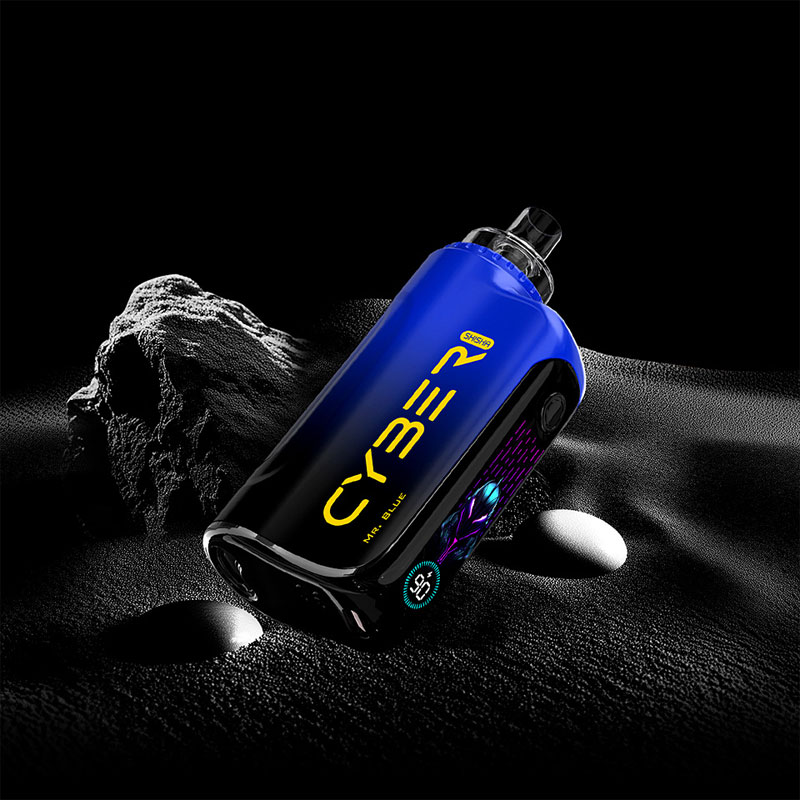
E-cigarettes, also known as vapes, have surged in popularity over the past decade, marketed as a safer alternative to traditional cigarettes. But one may ask: what exactly are the chemicals present in e-cigarettes? Understanding the composition of these devices is crucial for evaluating their impact on health. To start, e-cigarettes primarily contain a liquid solution known as e-liquid or vape juice. This solution is composed of several key chemicals including nicotine, propylene glycol, and vegetable glycerin, along with various flavoring agents. Each component serves a specific purpose and contributes to the overall vaping experience.
Carrier Liquids: Propylene Glycol and Vegetable Glycerin
Propylene glycol and vegetable glycerin are the primary carrier liquids found in e-cigarette solutions. These substances are responsible for delivering nicotine and flavors, producing the vapor that users inhale. Propylene glycol (PG) is a synthetic liquid commonly used in food and pharmaceutical products. It is known for its ability to carry flavoring agents effectively. Vegetable glycerin (VG), on the other hand, is a natural compound derived from vegetable oils, renowned for producing thicker vapor clouds and providing a smoother vaping experience. The ratio of PG to VG can vary, affecting the intensity of flavor and vapor production.
Flavoring Agents and Their Variety
The flavoring chemicals in e-cigarettes mimic a wide array of tastes, from fruits to desserts and even tobacco. These flavors are crafted using various chemicals approved for consumption by food grade standards. However, when inhaled, some chemicals may pose different risks compared to oral ingestion. Though currently not fully understood, there is ongoing research focused on identifying potential health risks associated with inhaling these flavoring agents over time.
Other Trace Chemicals
Besides the major components, e-cigarettes may also contain trace chemicals such as acetaldehyde, formaldehyde, and acrolein. These compounds can form during the heating of e-liquid and have been associated with toxicological effects. While manufacturers strive to minimize the levels of these harmful substances, their presence remains a point of concern due to potential respiratory and cardiovascular risks. Moreover, heavy metals like lead, nickel, and tin can leach from e-cigarette heating elements, further complicating the safety profile of these devices.
Despite their market positioning as a safer option, e-cigarettes have not been conclusively proven to be harmless. Understanding the detailed composition of e-liquid can assist users in making informed choices about their usage and help mitigate health risks. Learn more about vaping health risks.
- Are e-cigarettes completely safe?
- No, while they may present fewer risks compared to traditional smoking, e-cigarettes are not completely safe due to the presence of harmful chemicals.
- Can e-cigarettes help in quitting smoking?
- Some studies suggest e-cigarettes can assist in smoking cessation, but results vary and it is advised to consult health professionals for personalized guidance.
- Is the nicotine content in e-cigarettes lower than in regular cigarettes?
- Yes, often it is lower, but variations exist depending on the brand and product; thus requiring careful examination.