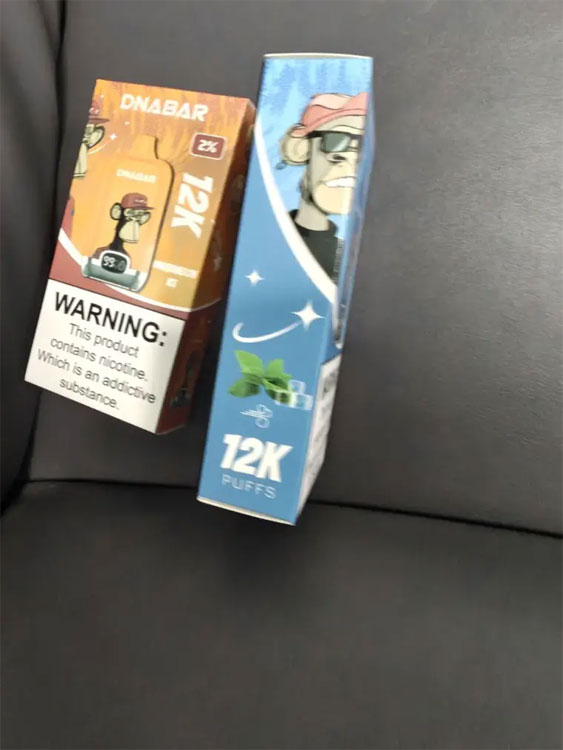
Chemical Composition and Health Effects
One of the critical areas of concern is the chemicals used in e-cigarettes. They often contain a mix of nicotine, propylene glycol, and flavorings. Although propylene glycol is generally recognized as safe for ingestion in food products, its inhalation can have unknown effects. The aerosol produced by e-cigarettes may also contain harmful substances such as heavy metals. Exposure to these chemicals could lead to pulmonary issues and may impact long-term health. While e-cigarettes eliminate tar that tobacco cigarettes produce, the presence of nicotine remains worrisome. Nicotine is addictive and may affect heart health, increase blood pressure, and lead to developmental issues when exposure occurs during pregnancy.
The appeal of flavored e-liquids has significantly attracted younger demographics, raising concerns about encouraging nicotine addiction among youth. This is particularly troubling as nicotine exposure in adolescents can alter brain development, impacting cognitive functions and increasing susceptibility to addiction.
Current Research and Debates
E-cigarettes have indeed helped some individuals reduce smoking but this does not negate potential risks. Health authorities in various countries have issued warnings and some have regulated their sale to limit access to youth.
E-cigarettes might be an alternative for adult smokers, but caution is advised to prevent hasty conclusions about their safety. Individuals considering their use should weigh the risks versus benefits and possibly consult healthcare providers for advice.
Q: Are E-cigarettes safer than traditional cigarettes? While they contain fewer harmful chemicals, they are not without risk. Nicotine itself presents health concerns.
Q: Can E-cigarettes aid in quitting smoking? For some, yes. They are considered by some as a smoking cessation tool but are not officially approved for this purpose.
Q: Should youths use e-cigarettes? No. It is strongly discouraged due to the impact of nicotine on brain development during adolescence.