The Science Behind the Vapor in E-Cigarettes
E-cigarettes have gained popularity as an alternative to traditional smoking, largely because they produce vapor instead of smoke. But what exactly generates this vapor? At the core, it’s all about the e-liquid and the device’s technology. The key components that contribute to what some might refer to as “smoke” lie primarily in the e-liquid’s composition and the function of the e-cigarette itself.
Composition of E-Liquids
E-liquids are made up of several ingredients that play distinct roles. The most significant components are propylene glycol (PG) and vegetable glycerin (VG). Both are substances approved by the FDA for consumption in foods and beverages. PG is known for carrying flavors well and delivering a stronger throat hit, similar to traditional tobacco smoke. VG, on the other hand, is thicker and sweeter, producing dense clouds as it vaporizes.
Nicotine, while optional in e-liquids, is another crucial component for many users. It provides the addictive quality similar to conventional cigarettes. In addition, food-grade flavorings are added to create a vast array of flavors, from classic tobacco to exotic fruit blends.
The Mechanism of Vapor Production
An e-cigarette device functions by transforming the e-liquid into inhalable vapor. It contains a small battery-powered heating element known as a coil. When activated, the coil heats up, reaching temperatures that cause the e-liquid to evaporate into an aerosol, commonly referred to as vapor. This process does not involve combustion, so the harmful tar and many other by-products of burning tobacco are absent.
Factors Affecting Vapor Production
- Device Power: The wattage or voltage of the device will influence how much vapor is produced. Higher settings typically result in denser vapor clouds.
- Coil Resistance: Lower resistance coils heat faster and produce more vapor; however, they may require more frequent recharge and e-liquid refills.
- Airflow: Adjustable airflow can alter the density and warmth of the vapor. More airflow generally allows more vapor and a cooler hit.
The delicate balance between PG and VG levels can also affect the vapor’s characteristics. E-liquids with higher VG content will generally produce thicker vapor, making them popular in “cloud-chasing” communities.

Safety and Health Considerations
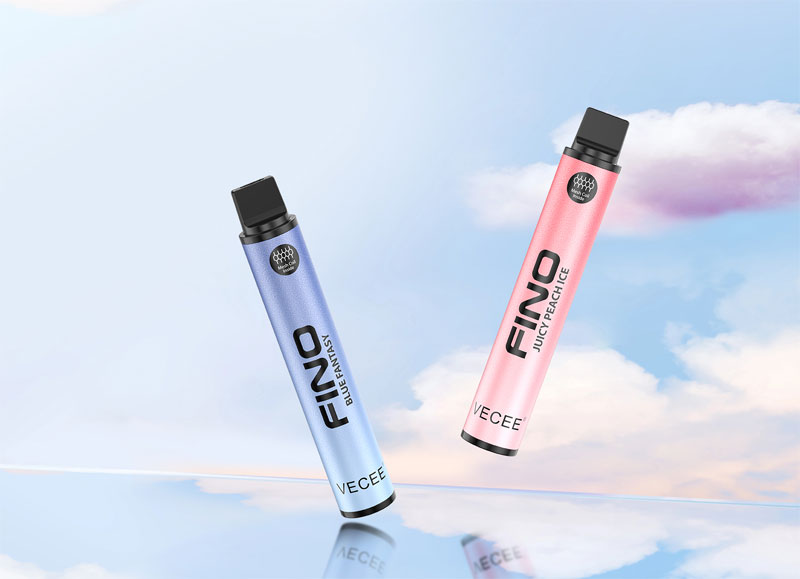
While e-cigarettes are often marketed as a safer alternative to traditional smoking, their long-term health effects are not yet fully understood. The absence of smoke does not equate to safety, as vaporizing e-liquids can still introduce nicotine and other chemicals into the body. Therefore, it is important for users to be aware of the ingredients in their e-liquids and to use reliable devices.
Common Questions About E-Cigarette Vapor
- Is e-cigarette vapor harmful? – While it contains fewer harmful substances than traditional cigarette smoke, e-cigarette vapor is not entirely risk-free. Nicotine is addictive, and some flavorings can pose health risks when inhaled regularly.
- Can secondhand vapor affect others? – Research on secondhand vapor effects is ongoing, but it is generally considered substantially less harmful than secondhand smoke. However, it can still expose bystanders to nicotine and other chemicals present in the e-liquid.
To wrap up, understanding the components and mechanics behind e-cigarettes can help users make informed decisions about their usage. As research continues, staying updated with the latest findings is crucial for comprehending the full impact of vaping on health.