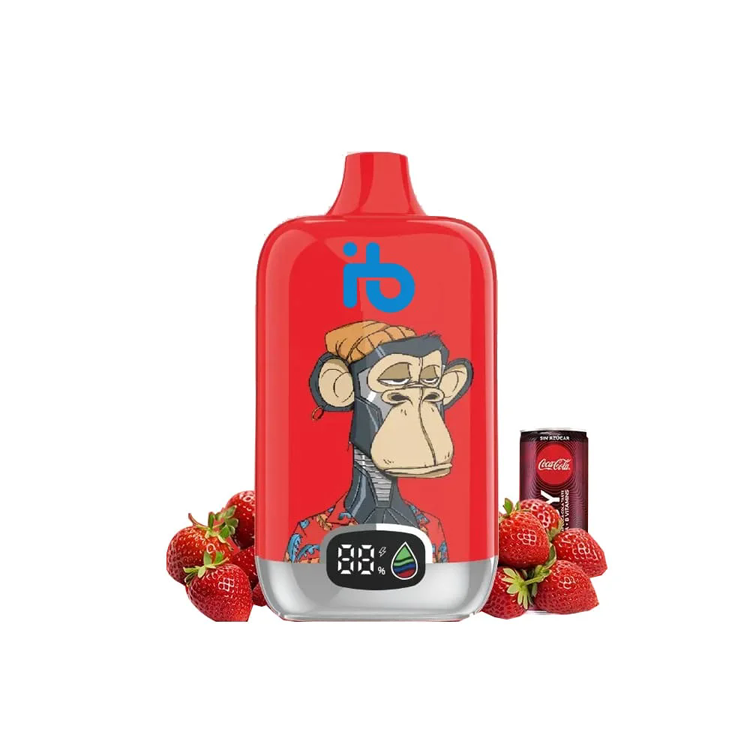
Vaping has become a widespread phenomenon, often marketed as a healthier alternative to traditional smoking. However, one of the common claims is that most e-cigarettes contain only water and flavoring. This statement might sound reassuring to those looking to quit smoking, but it merits a closer examination. Do e-cigarettes truly only hold water and flavoring agents, or is there more beneath the surface?
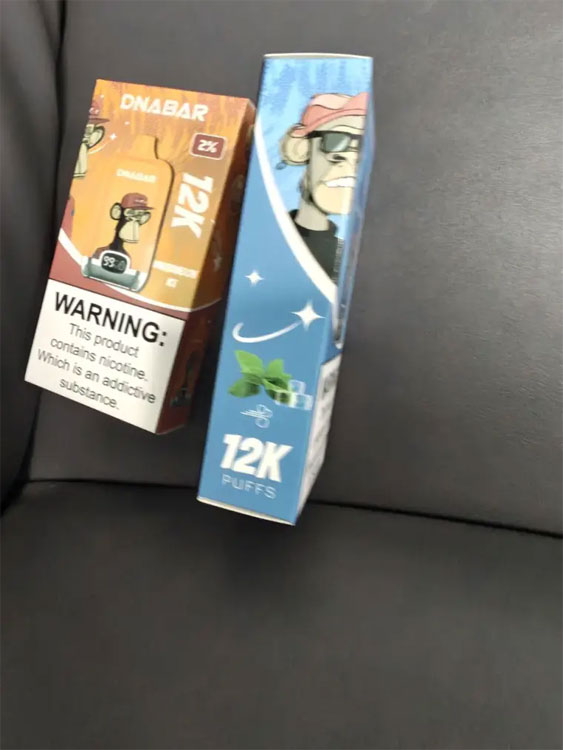
Understanding E-Cigarette Composition
E-cigarettes, or electronic nicotine delivery systems, are designed to simulate the sensation of smoking a conventional cigarette. They function by heating a liquid, often referred to as e-liquid or vape juice. The heated liquid turns into an aerosol, which users then inhale. The fundamental components of e-liquid include more than just water and flavoring.
Key Components of E-Liquid
- Propylene Glycol (PG): A colorless, odorless liquid that acts as a carrier for the flavorings. It contributes to the throat hit that mimics smoking.
- Vegetable Glycerin (VG): A thicker liquid used to produce more vapor. It is derived from plant oils and has a slightly sweet taste.
- Nicotin: Many e-liquids contain nicotine, the addictive substance found in traditional cigarettes.
- Flavorings: These are food-grade additives that give the e-liquid its distinctive taste, ranging from fruit flavors to traditional tobacco.
- Water: While present, water is not the primary component and serves more to dilute the solution.
Analyzing the Claim
The assertion that most e-cigarettes contain only water and flavoring is misleading. Although these elements are part of the composition, they do not exclusively determine the vape juice’s makeup. The presence of propylene glycol, vegetable glycerin, and nicotine significantly alters the health implications for consumers.
Understanding these constituents is crucial, as they each play a role in the vaping experience and its safety profile. While PG and VG are generally recognized as safe for consumption, their effects when inhaled are still under review. Nicotine remains as addictive in e-cigarettes as in traditional smoking methods.
Health Implications and Regulatory Oversight
With the rise of vaping, health authorities have been scrambling to study the long-term implications. Though often promoted for smoking cessation, e-cigarettes are not without risks. The inhalation of any foreign substance carries potential dangers, and repeated exposure could have adverse effects on lung health. It is imperative for regulatory bodies to continue evaluating the safety of these products to ensure consumer protection.
The Role of Nicotine
Nicotine, a central element in many e-liquids, remains a point of contention. While it does not directly cause cancer, its addictive nature can lead to increased consumption and potential exposure to other harmful substances. Furthermore, it can adversely impact brain development in adolescents and young adults, making it a considerable concern in the public health landscape.
Conclusion: Evaluating the Facts
In summary, while e-liquids contain water and flavoring, they are far from being the exclusive components. Ingredients like nicotine, propylene glycol, and vegetable glycerin play significant roles in their composition and effects. When considering e-cigarettes, one should evaluate all the components and their potential health impacts. It is paramount for users to conduct thorough research and for regulatory bodies to ensure transparency regarding e-cigarette ingredients.
FAQs About E-Cigarettes
- Do all e-liquids contain nicotine? Not all e-liquids contain nicotine; some are available in nicotine-free variants designed for those seeking the experience without the addictive component.
- Are there health risks associated with vaping?
 Yes, while considered less harmful than smoking traditional cigarettes, vaping is not without risks. Inhalation of aerosols can lead to respiratory issues and exposure to nicotine can result in addiction.
 - How do I ensure the safe use of e-cigarettes? Opt for products from reputable brands and conduct regular research. Regulating your usage and choosing lower nicotine concentrations can also contribute to safer vaping habits.