The Hidden Dangers of Juul E-Cigarettes
In recent years, Juul e-cigarettes have surged in popularity, especially among young adults and teenagers, but what are the health risks associated with these seemingly innocuous devices? While they are marketed as a safer alternative to conventional cigarettes, emerging research suggests otherwise. This article explores the potential health implications linked to Juul e-cigarettes and the burgeoning concerns among health experts.
Nikotin Addiction and its Consequences
One of the most significant health concerns surrounding Juul e-cigarettes is their high nicotine content. Each Juul pod contains as much nicotine as a pack of cigarettes, posing a risk of addiction, especially for young users. Nicotine addiction can lead to various neurological and cardiovascular disorders and create a gateway to traditional cigarette smoking.
The Mysterious Ingredients
Juul e-cigarettes utilize a unique formulation of nicotine salts derived from tobacco, which allows a smoother delivery of nicotine. However, many of the other ingredients used in these pods are not well-documented, leading to potential unknown health risks. The aerosol produced contains ultrafine particles and volatile organic compounds that, if inhaled, may cause inflammation and respiratory problems.
The Impact on Lung Health
Recent studies have raised concerns over the impact of Juul e-cigarettes on lung health. The inhalation of flavored aerosols can cause irritation and damage to the lung tissue, increasing the risk of chronic obstructive pulmonary disease (COPD) and other respiratory illnesses. Indeed, some cases of severe lung illness have been reportedly linked to vaping.
Effects on Mental Wellbeing
Beyond physical health, Juul usage may also have implications for mental health. Nicotine addiction has been associated with mood disorders and can exacerbate symptoms of anxiety and depression. In adolescents, the effect on developing brains can lead to long-term cognitive impairments.
Understanding the Regulatory Landscape
As the popularity of Juul e-cigarettes grows, so does the scrutiny from regulatory bodies. Currently, efforts are being made to regulate the sales and marketing of these products, especially to minors, with some regions enacting bans or restrictions. The FDA has found inconsistencies in the labeling of nicotine content, warranting further investigation into the claims made by manufacturers.
What the Future Holds
As research continues to unveil the potential dangers of Juul e-cigarettes, public health campaigns are working tirelessly to educate users on the risks. While the manufacturers strive to innovate and offer lower-risk alternatives, the emphasis remains on the importance of understanding the contents and possible consequences of these devices.
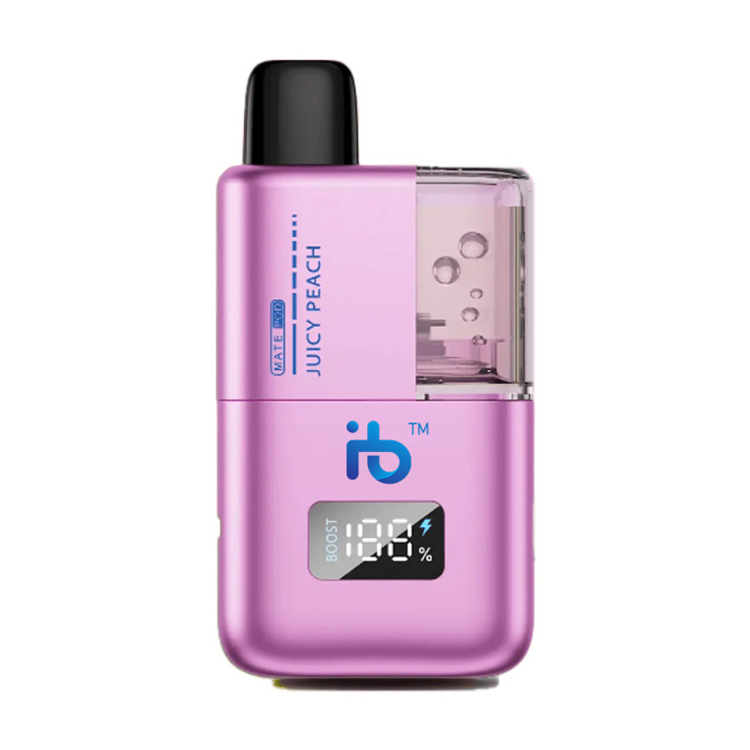
FAQs about Juul E-Cigarettes

What are Juul e-cigarettes?
Juul e-cigarettes are a type of electronic cigarette that delivers nicotine through vaporization. They consist of a rechargeable device and pre-filled pods containing nicotine salts.
Are Juul e-cigarettes safer than regular cigarettes?
While touted as a safer alternative, Juul e-cigarettes still pose health risks, particularly due to their high nicotine content and potential respiratory effects.
Can Juul usage affect mental health?
Yes, nicotine addiction from Juul e-cigarettes can lead to mood disorders and has been linked to anxiety and depression, impacting overall mental wellbeing.