Understanding Modern Vaping: Practical Safety Notes, Common Myths and Evidence-Based Guidance
This comprehensive guide examines central concerns about electronic nicotine delivery systems, focusing on the broader topic of Vape use and the frequent question “is electronic cigarette less harmful” than combustible tobacco. The aim is to help curious readers, public health-minded citizens, and smokers considering alternatives to make informed decisions based on current evidence, practical safety recommendations, and realistic expectations about quitting.
Quick orientation: what we mean by Vape and related terms
Vaping refers to inhaling an aerosol produced by an electronic device that heats a liquid (commonly called e-liquid or vape juice). Devices range from simple disposable pens to sophisticated refillable mods and pod systems. Nicotine-containing e-liquids are widespread, but nicotine-free options exist. As you read, remember that Vape encompasses a wide product spectrum and safety profiles vary accordingly.
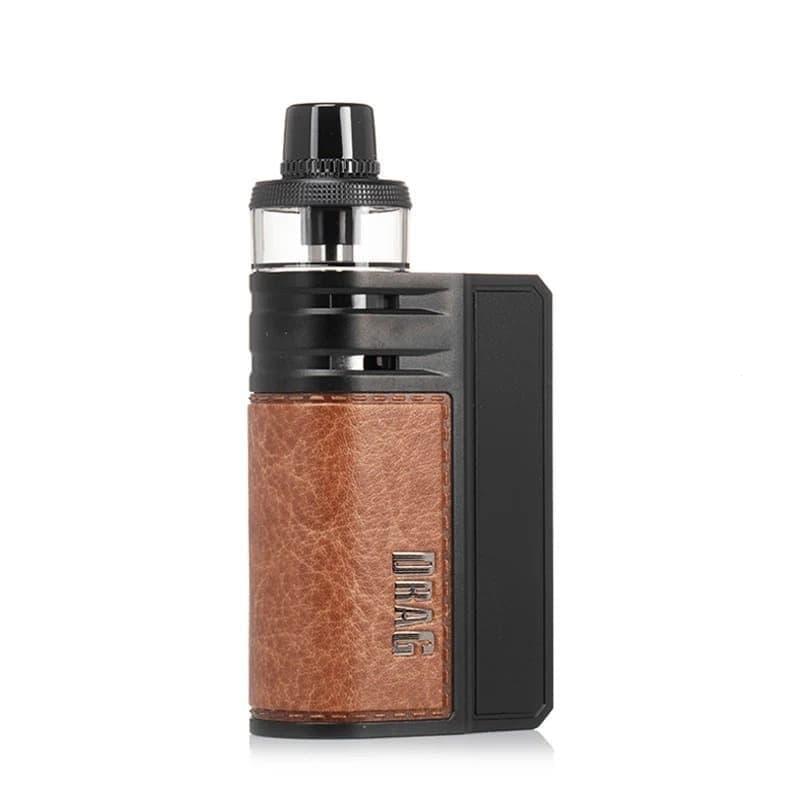
Why the comparison matters: is electronic cigarette less harmful than smoking?
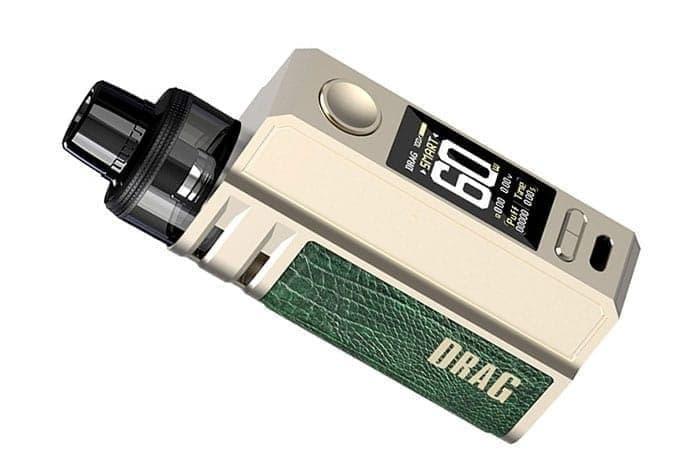 Vape safety and myths – is electronic cigarette less harmful and can Vape truly help smokers quit” />
Evidence snapshot: toxicology, acute harms and long-term uncertainty
Controlled analyses show that mainstream smoke from cigarettes contains thousands of combustion products including tar, carbon monoxide, polycyclic aromatic hydrocarbons (PAHs) and many known carcinogens. Heated e-liquids typically contain fewer toxicants at lower concentrations, but may include carbonyls (formaldehyde, acetaldehyde) and other by-products depending on device temperature, coil materials and liquid composition. Nicotine itself is addictive and has cardiovascular effects, so exposure still matters. The epidemiological picture for long-term cancer or chronic disease risk from vaping is incomplete because widespread adoption is relatively recent; decades-long follow-up studies are limited. Therefore, the evidence supports cautious optimism for harm reduction but ongoing surveillance.
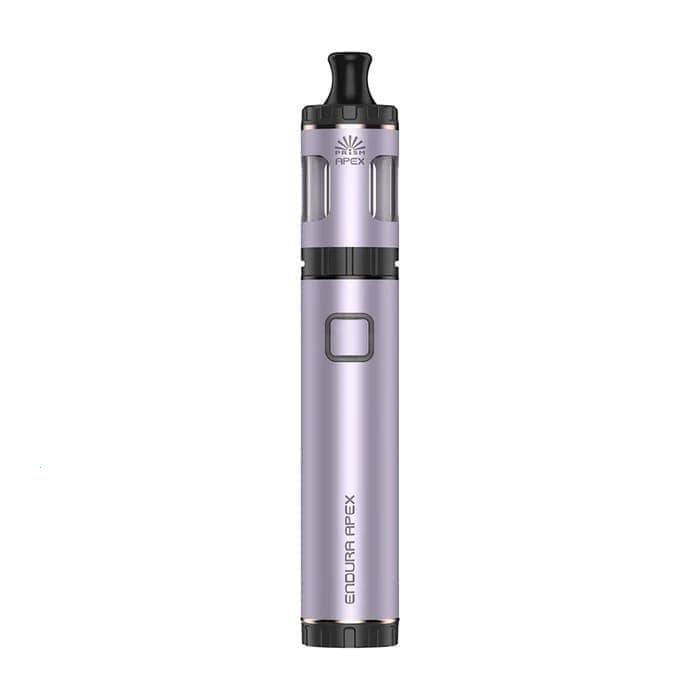
Key points about relative harm
- Relative reduction: For adult smokers who switch completely to regulated nicotine-containing Vape products, many experts judge potential health risks to be lower than continuing smoking.
- Not harmless: Aerosols are not just water vapor; they can contain ultrafine particles, nicotine and chemical constituents that may irritate airways or affect cardiovascular health.
- Population risk: If non-smokers—especially adolescents—take up vaping, the public-health impact could be negative even if individuals switching from smoking experience reduced harm.
Myth-busting: common misconceptions about vaping
Myth 1: Vaping is completely safe
No. Safety varies by device, liquid, usage pattern and device maintenance. While many constituents are present at lower levels than in cigarette smoke, vaping still carries physiological effects and potential long-term risks that need careful monitoring.
Myth 2: Vapes are identical to cigarettes
They differ in mechanism (heating vs burning), constituent profiles and user behaviors. However, both can deliver nicotine and support addiction. The relative risk is different but not zero.
Myth 3: Switching guarantees immediate health restoration
Much depends on the extent of prior smoking-related damage. Some biomarkers improve quickly after cessation or switching but others, depending on the disease process, may take years or may not fully reverse.
How vaping can fit into smoking cessation strategies
Evidence from randomized trials and observational studies suggests that when used with the intent to stop smoking, certain regulated Vape products can increase quit rates compared with some nicotine replacement therapies (NRT) or behavioral support alone. However, effectiveness depends on device type, nicotine dose, behavioral support and adherence. Public health authorities often recommend a combination of counseling and evidence-based pharmacotherapies; vaping can be an option for smokers who have not succeeded with first-line treatments or who prefer an inhalation-based substitute.
Practical cessation recommendations
- Set a clear quit plan and, if possible, involve counseling or a quitline.
- If choosing a nicotine-containing Vape, use a device and nicotine strength that satisfy cravings so you can avoid dual use (smoking plus vaping).
- Aim for complete substitution rather than long-term dual use; dual use reduces potential health gain.
- Gradually reduce nicotine concentration if and when you feel ready, and plan an endpoint for stopping vaping entirely.
Safety-by-design: device, liquid and battery considerations
Many avoidable incidents arise from poor manufacturing, counterfeit liquids, or user modification. To reduce risks:
- Choose products from reputable manufacturers and vendors that provide ingredient transparency and safety testing.
- Use e-liquids with clear labeling and avoid homemade or black-market liquids.
- Follow manufacturer guidance for battery handling: use correct chargers, avoid extreme temperatures and replace damaged cells.
- Maintain coils and tanks to prevent overheating and degraded flavors that may indicate excessive thermal breakdown.
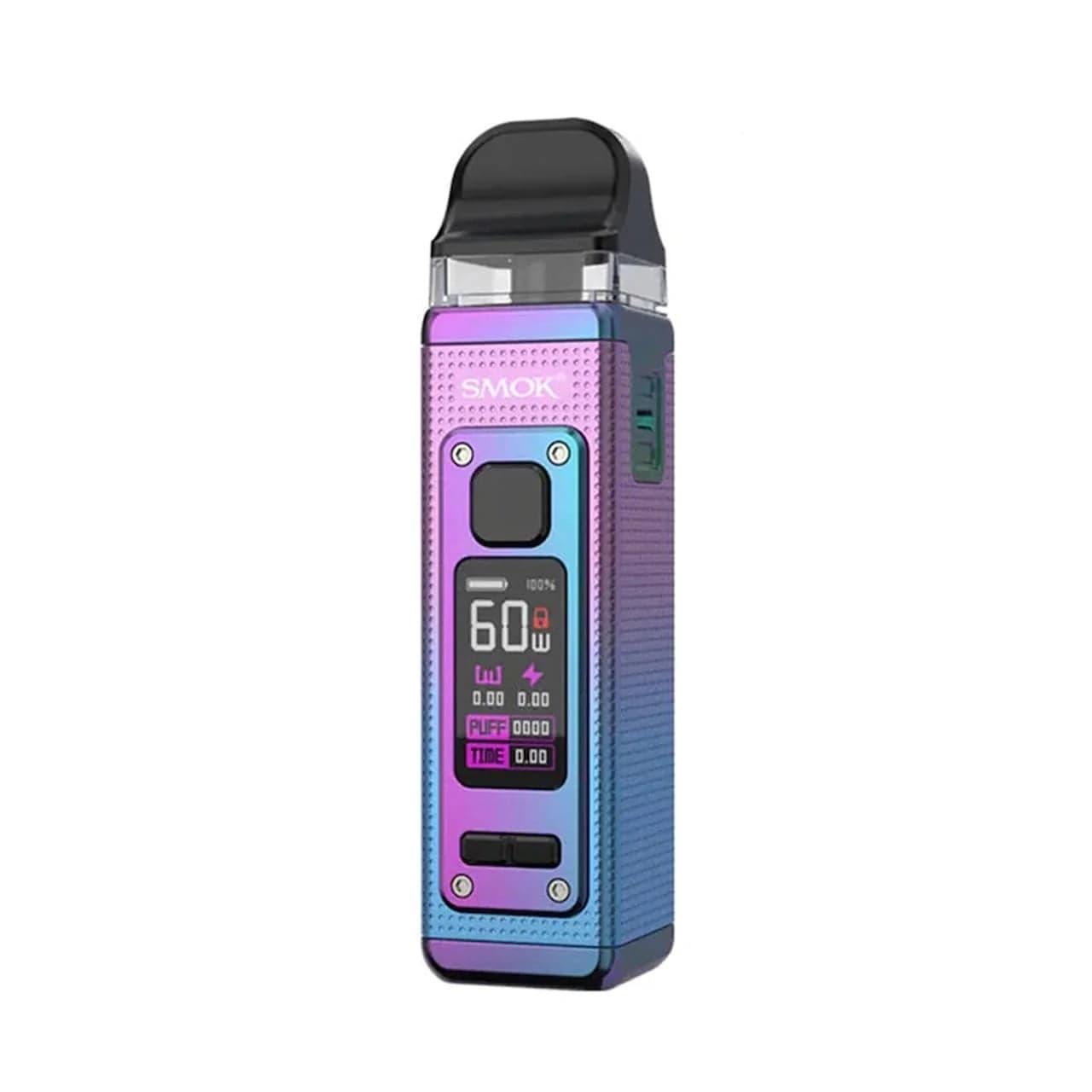
Quality control matters
Regulation that enforces product standards, child-resistant packaging and advertising restrictions reduces harms at a population level. In markets with strong oversight, consumer safety improves compared to unregulated supply chains.
Special populations and public health ethics
For pregnant people, adolescents and non-smokers, any nicotine exposure is discouraged. For adult smokers, clinicians must weigh individual cessation benefits versus broader societal impacts. Harm-reduction strategies prioritize reducing morbidity and mortality among current smokers while preventing youth initiation.
Precautionary guidance for healthcare providers
Clinicians should ask patients about both smoking and vaping, offer evidence-based cessation resources, and support informed decision-making. For smokers unwilling to quit nicotine, switching to Vape products may be an intermediate step toward risk reduction, paired with a clear plan to eventually discontinue nicotine.
Understanding secondhand exposure and indoor use
Secondhand aerosol differs from secondhand smoke but is not simply innocuous air. Particulate matter and nicotine can be present, so many jurisdictions regulate indoor vaping similarly to smoking to protect bystanders, especially children and those with respiratory conditions.
Etiquette and rules
Respect local laws and private space rules; avoid vaping around children, pregnant people or in poorly ventilated shared spaces.
Commonly asked technical questions
Do high-power devices produce more harmful chemicals?
High coil temperatures and “dry hits” increase thermal decomposition of e-liquid components and may generate higher levels of carbonyls. Proper device settings and coil maintenance reduce this risk.
Is nicotine delivery comparable to cigarettes?
Modern pod systems and nicotine salts can deliver nicotine as efficiently as cigarettes, which helps them substitute for smoking but also raises dependence potential. Nicotine concentrations and formulation (freebase vs salt) affect throat hit and absorption speed.
Behavioral aspects: why some smokers prefer vaping
Vaping can mimic the sensory and ritual dimensions of smoking—hand-to-mouth action, inhalation and visible exhalation—making it appealing as a substitute. Flavor variety and device customizability also drive preference. Understanding these factors helps design cessation support that aligns with user habits, reducing relapse.
Regulation, surveillance and the evolving evidence base
Surveillance systems tracking product use, poisoning reports, acute lung injury incidents and long-term outcomes are essential. Policy approaches range from prohibition to regulated availability with quality controls; science should inform regulations that balance harm reduction for adult smokers and prevention for youth.
Actionable tips if you choose to use a vape product
- Purchase from reputable retailers and check for batch testing or lab reports.
- Start with a nicotine strength that satisfies cravings and avoid adjusting to unsafe power settings.
- Keep devices and e-liquids away from children and pets; nicotine ingestion can be dangerous.
- Set a quit timeline and seek behavioral support to increase the likelihood of stopping nicotine use altogether.
Device disposal and environmental considerations
Batteries and electronic components require responsible recycling. Disposable products increase environmental burden; weigh convenience against sustainability.
Balanced conclusion: harm reduction with caution
Vape products can play a role in reducing harm for adult smokers who fully switch from combustible cigarettes, but they are not risk-free and should be used strategically within a cessation plan. The question is electronic cigarette less harmful? is best answered in comparative terms: evidence indicates lower exposure to many harmful combustion products, yet significant uncertainties remain about long-term effects and societal consequences of youth uptake. Individual decisions should prioritize quitting combustible tobacco, consider proven cessation aids, and when vaping is chosen, emphasize safety, regulation-compliant products, and a strategy to eventually stop nicotine.
Resources and further reading
For readers seeking credible sources, consult national public health agencies, peer-reviewed systematic reviews, and clinical guidance from smoking cessation experts. Combining behavioral support with any tool—including a regulated Vape product—yields better outcomes than unaided attempts.
If you’re a healthcare professional, policy maker or an informed consumer, engage with current literature, monitor regulatory changes, and prioritize interventions that reduce smoking prevalence while protecting non-smokers and young people from initiation.
FAQ
Q: Can vaping help a long-term smoker quit conventional cigarettes?
A: Evidence indicates some smokers succeed more often with certain vaping products compared with some nicotine replacement therapies, particularly when paired with behavioral support. However, success depends on correct product selection, complete substitution (not dual use) and an exit strategy to stop nicotine entirely.
Q: Are there clear long-term health studies proving vaping is safe?
A: No. Long-term population data are limited. While biomarkers and toxicological profiles show reduced exposure to many harmful substances compared with smoking, decades-long outcomes (cancer, COPD progression) are still under study.
Q: What precautions should I take to minimize risks if I choose to vape?
A: Use regulated products from reputable manufacturers, avoid high-temperature or modified devices that cause overheating, follow battery safety guidance, keep products away from children, and have a plan to stop using nicotine in the future.