In recent years, the popularity of e-cigarettes has surged, with many believing them to be a safer alternative to traditional smoking. However, a closer examination reveals a list of concerning substances that inhabit the vapor released by these devices. Understanding the chemicals found in e-cigarettes is crucial for users and non-users alike, as it impacts public health significantly.
What Are E-Cigarettes?
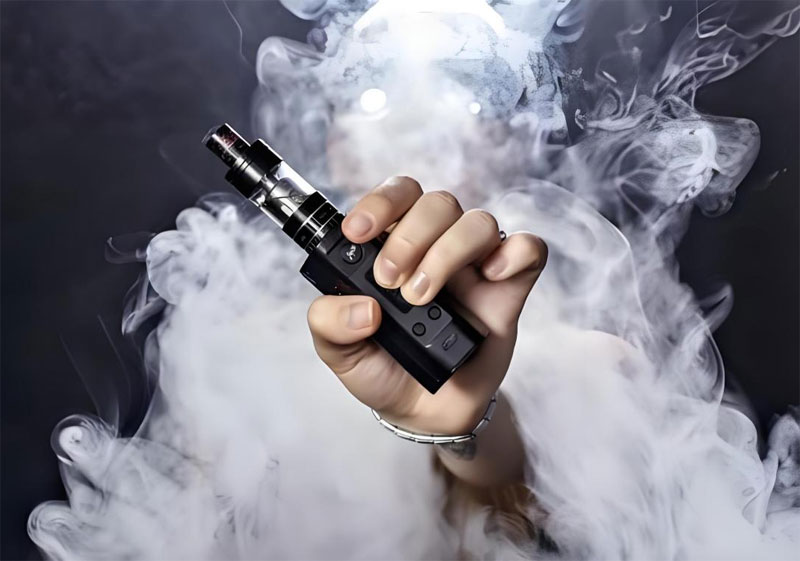
E-cigarettes, known also as electronic nicotine delivery systems (ENDS), are devices designed to deliver nicotine through vapor rather than smoke. They consist of a battery, a cartridge containing e-liquid, and a heating element. The e-liquid typically comprises nicotine, flavorings, and a mixture of propylene glycol or vegetable glycerin.
Chemicals in E-Cigarette Vapor
The vapor from e-cigarettes is not as harmless as it might seem. Significant research has identified numerous chemical substances that pose health risks. Among the most concerning are:
- Nicotine: The primary addictive component, which can alter brain development in younger users. Its toxicity can also affect pregnant users and their unborn children.
- Heavy metals: Including lead, nickel, and tin, which can find their way into vapors when certain metals from the device’s components vaporize.
- Volatile Organic Compounds (VOCs): Elements like benzene, found in car exhaust, can be present in the vapor and have been linked to cancer and other severe health issues.
- Formaldehyde
 : A known carcinogen, arises when e-liquid overheats or is used at high power levels.
 - Acrolein: Mostly used as a weed killer, it can cause severe respiratory damage when inhaled.


The Role of Flavorings
Flavorings are another topic of concern when discussing e-cigarette safety. While these elements are generally safe for consumption in food, their safety when vaporized and inhaled remains questionable. Chemicals such as diacetyl, used in buttery flavors, have been linked to a condition called ‘popcorn lung’, a severe lung disease.
Health Implications
The health risks associated with these chemicals are broad and profound. E-cigarettes have been tied to lung injuries, known as EVALI (e-cigarette, or vaping, product use-associated lung injury). Additionally, users are at risk of nicotine addiction which can lead to traditional tobacco use, negating the intended benefit of harm reduction.
Environmental Impact
The widespread use of e-cigarettes also presents environmental challenges. Discarded cartridges and devices contribute to electronic waste and release harmful chemicals into the soil and water systems if not disposed of properly.
Regulations and Research
Governments worldwide are grappling with how best to regulate e-cigarettes. The Food and Drug Administration (FDA) in the United States, for example, has been working to implement rules that restrict youth access and ensure product safety standards are met. Continuous research is critical in understanding the long-term effects of these products.
FAQs on E-Cigarette Chemicals
Q: Are e-cigarettes less harmful than regular cigarettes?
A: While e-cigarettes contain fewer toxic chemicals than traditional cigarettes, they are not entirely safe and still pose health risks, including addiction and exposure to potentially harmful chemicals.
Q: What is ‘popcorn lung’?
A: ‘Popcorn lung’, or bronchiolitis obliterans, is a severe lung disease associated with inhaling diacetyl, a chemical used in some e-cigarette flavorings.
Q: Can e-cigarettes aid in quitting smoking?
A: Some evidence suggests that e-cigarettes may help some people quit smoking, but more research is needed. It’s advisable to explore other established smoking cessation tools and consult healthcare professionals.