Essential Guide to DIY Electronic Cigarette Construction: Safe & Efficient Vaping
If you have ever considered assembling your own diy electronic cigarette, you are joining an expansive community of vaping enthusiasts looking for customization, cost savings, and technical satisfaction. Whether you’re searching for practical advice, seeking personalized flavor, or learning about advanced coil building, this guide will help you understand everything about safe and efficient vape creation.
Why Build Your Own DIY Electronic Cigarette?
- Control over the design, battery capacity, and look of your vape
- Ability to tailor flavors and nicotine levels to your preference
- Significant savings in the long run compared to purchasing commercial devices
- Opportunity for technical upgrades not available in prebuilt models
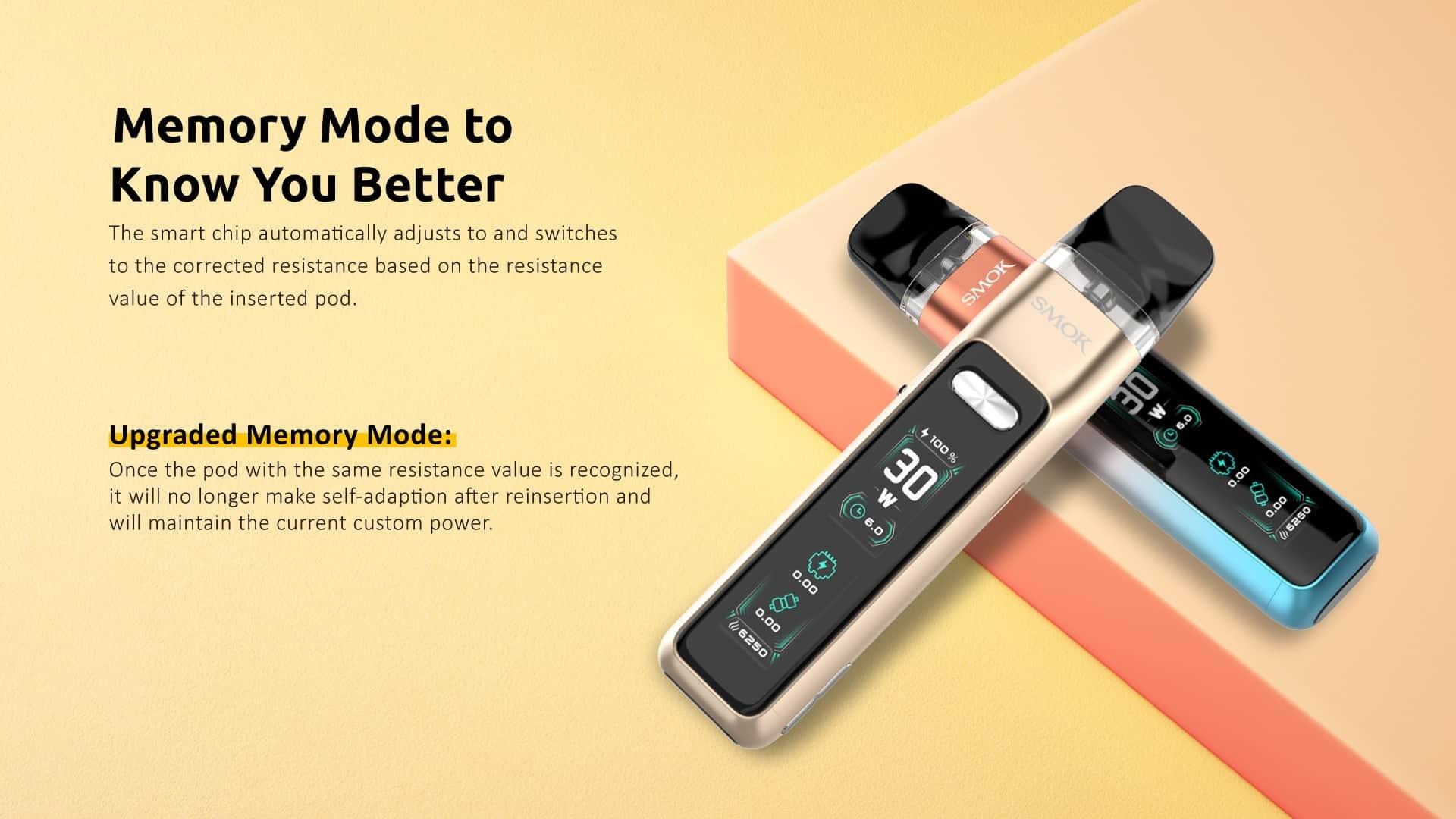
The term diy electronic cigarette refers to constructing a vaping device from individual hardware and components. This typically involves sourcing suitable batteries, atomizers, coils, wicking material, and casing. The process welcomes creativity, but safety must always be prioritized.
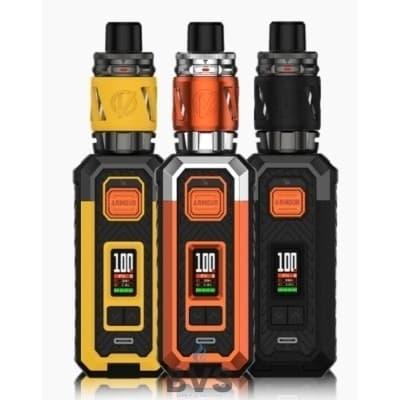
Crucial Safety Tips for DIY Electronic Cigarettes
- Use High-Quality Batteries: Always purchase genuine lithium-ion batteries from reputable suppliers. Know the required discharge rates and only use cells designed for vaping.
- Insulate Properly: Make sure all connections are shielded and wires are free of exposed metal. Use heat shrink tubing and grommets to avoid short circuits.
- Stay Within Ohms Law: Calculate your coil resistance accurately to avoid overloading your device. Use a reliable ohm meter to check before firing.
- Keep Airflow in Mind: Ensure good ventilation and airflow around the coil to prevent overheating and burnt tastes.
- Avoid using damaged components or recycled batteries, which may cause malfunctions or safety hazards.
Step-By-Step Guide to Building a DIY Electronic Cigarette
- Planning Your Device: Decide if you prefer a regulated mod (with safety features) or a mechanical mod. Sketch your design to identify necessary parts.
- Gather Components: Select an appropriate battery, 510 connector, atomizer base, coil wire (kanthal, nichrome, etc.), cotton wick, and housing.
- Assembling the Atomizer: Wind your coil using a jig or screwdriver, aiming for even wraps that yield your desired resistance. Insert the coil into the atomizer deck and secure with screws. Thread cotton wick through the coil and trim for best fit.
- Connection and Housing: Solder the wiring connecting your battery, firing button, and atomizer. Fit all parts into your mod housing, ensuring a snug but not tight connection. Double-check all insulations.
- Testing: Test your assembled diy electronic cigarette with an ohm meter. Once confirmed safe, apply e-liquid, assemble fully, and enjoy your custom vape!
Building a diy electronic cigarette is more than a hobby; it offers satisfaction from hands-on creation, advanced customization, and even technical troubleshooting.
Performance Optimization Tips
- Try Different Coil Builds: Experiment with single, dual, or twisted coils to find performance and flavor that suits your preference.
- Change E-Liquids: Try mixing different PG/VG ratios for tailored throat hit and vapor production.
- Regular Maintenance: Clean your atomizer, replace wicks, and check for wear on battery connectors.
- Use Quality Materials: High-grade wires and authentic connectors reduce the risk of malfunction and enhance vaping experience.
Common Mistakes When Building Your Own Vape
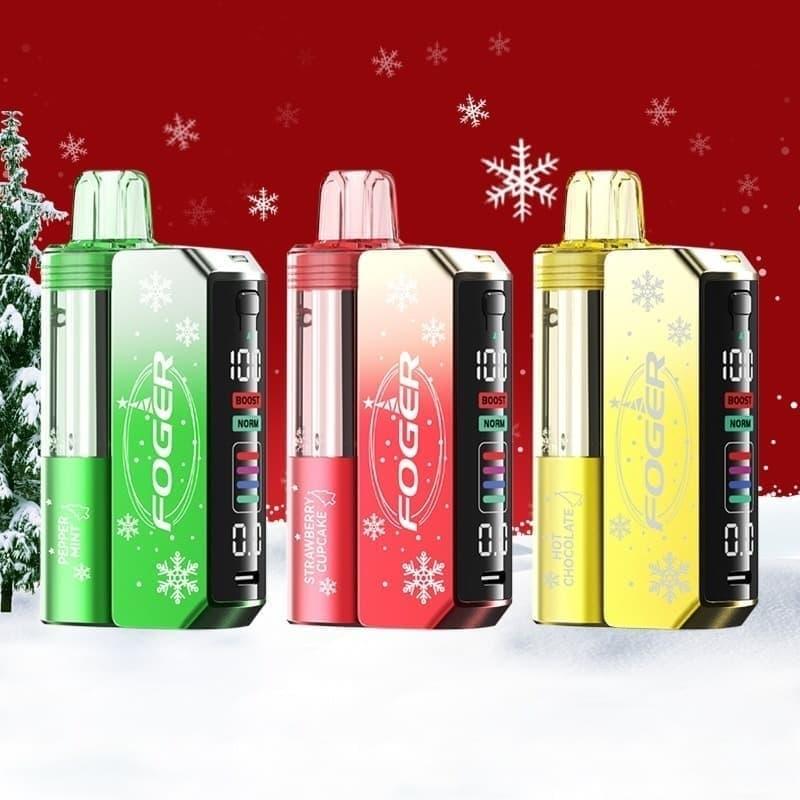
- Not checking coil resistance before use, risking device failure or battery venting
- Using unprotected or damaged batteries, which can be dangerous
- Packing too much cotton, leading to dry hits and burnt flavor
- Improper soldering creating weak connections or shorts
By understanding these risks and following best practices, any enthusiast can build a safe and high-performing diy electronic cigarette. Remember, each build is unique—take the time to refine your technique.
Upgrading and Customizing Your DIY Vape
Chipsets & Boards: Add regulated chipsets for features like variable wattage, temperature control, and battery safety cutoffs.
Tanks & Drip Tips: Swap for an RDA for richer flavor or use sub-ohm tanks for dense clouds.
Legal & Health Considerations
Check local smoking and vaping laws before assembling or modifying your diy electronic cigarette. Dispose of batteries safely and avoid building for minors. Recognize nicotine is highly addictive—handle e-liquids and mod parts responsibly.
Advanced DIY Vape Techniques & Accessories
- Try mesh coils for quicker heat-up and improved vaporization
- Add adjustable airflow for precise throat hit control
- Install OLED screens for real-time resistance, battery status, and wattage
- Consider self-mixed e-liquid recipes for unique flavor profiles
Final Thoughts
Mastering the diy electronic cigarette build process requires patience, technical know-how, and creativity. Regularly update your knowledge about new regulations, safety standards, and vaping technologies. Join online forums or local vape enthusiast groups for advice and ideas. Ultimately, your custom vape will reflect your personality and vaping style.
FAQ
- Is it legal to build my own electronic cigarette?
- In most countries, adults can legally construct personal vaping devices for individual use. Always check national and regional regulations for compliance regarding safety and sale.
- What’s the safest battery for a DIY electronic cigarette?
- High-quality, authentic lithium-ion batteries marked expressly for vaping use are the best option. Look for reputable brands and ensure the battery specs meet your device’s requirements.
- How do I avoid burnt taste in my vape?
- Use fresh wicking material, don’t overpack cotton, prime coils well, and keep power settings appropriate for the coil type.