Moreover, the long-term health effects of the other chemicals in e-liquids are still being studied. Ingredients such as propylene glycol and vegetable glycerin, while generally recognized as safe for ingestion, might pose health risks when inhaled over extended periods. Some studies have shown that inhaled propylene glycol can lead to respiratory irritation, and flavorings, although safe in foods, can be hazardous to lung tissue when inhaled.
Research and Regulation
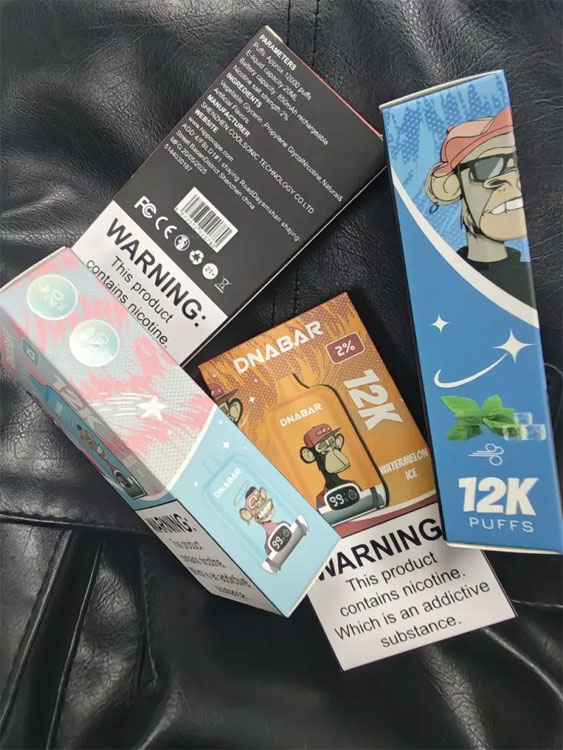
The U.S. Food and Drug Administration (FDA) has been working towards regulating e-cigarette products, aiming to reduce youth access and ensuring product safety standards. Yet, with the rapid evolution of the vaping market, it has proven challenging to keep up with new products and trends.
Research on e-cigarettes is still in its infancy compared to traditional cigarettes. Although some studies suggest that e-cigarettes may be less harmful than smoking, the consensus is clear: they are not without risk. Long-term health impacts are still unknown, and the lack of standardized regulatory practices means product consistency can vary widely.
- Studies indicate potential links between vaping and heart disease.
- Concerns about youth vaping and nicotine addiction persist.
- Various chemicals found in vape aerosols could cause lung damage.
Frequently Asked Questions
- Are e-cigarettes safer than traditional cigarettes?

While e-cigarettes may expose users to fewer toxic substances than traditional cigarettes, they still carry significant health risks, especially concerning nicotine addiction and respiratory issues.
- Can e-cigarettes help smokers quit?
Some smokers have successfully used e-cigarettes as a cessation tool, but the evidence is mixed. It is recommended to use FDA-approved cessation tools in conjunction with medical advice.
- What is the most commonly reported side effect of vaping?
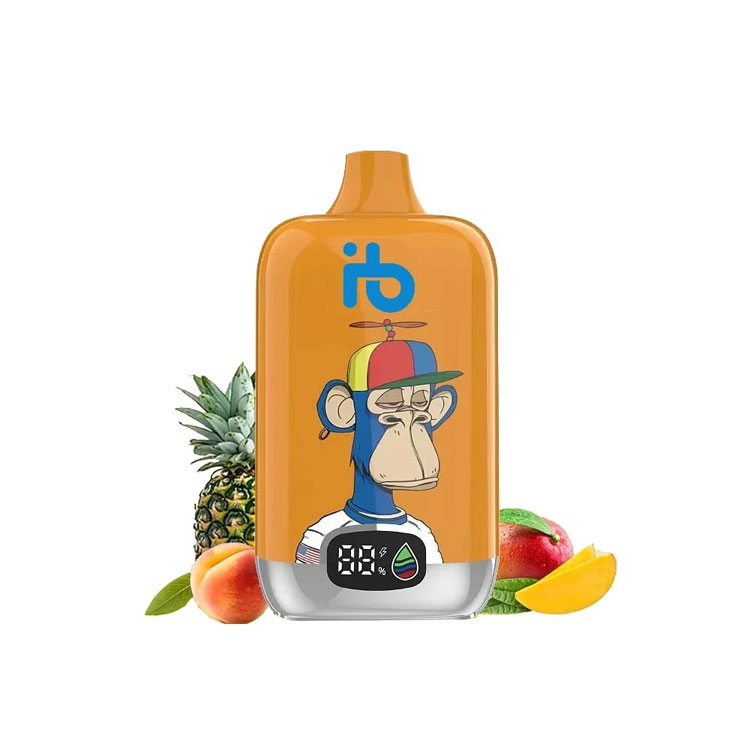
The most reported side effects include throat and mouth irritation, coughing, and nausea. Users should be cautious and consult health professionals if adverse symptoms persist.
Understanding the nuanced landscape of how safe e-cigarettes are requires more extensive research and stricter regulatory oversight to ensure consumer safety while providing accurate information to the public.