As e-cigarettes continue to gain popularity around the world, many are left wondering about their legal status in specific regions. One common query is, “Are e-cigarettes legal in Vietnam?” To thoroughly address this question, we will delve into the nuances of Vietnam’s current regulations and the surrounding context regarding e-cigarette usage and distribution in the country.
Understanding E-cigarettes
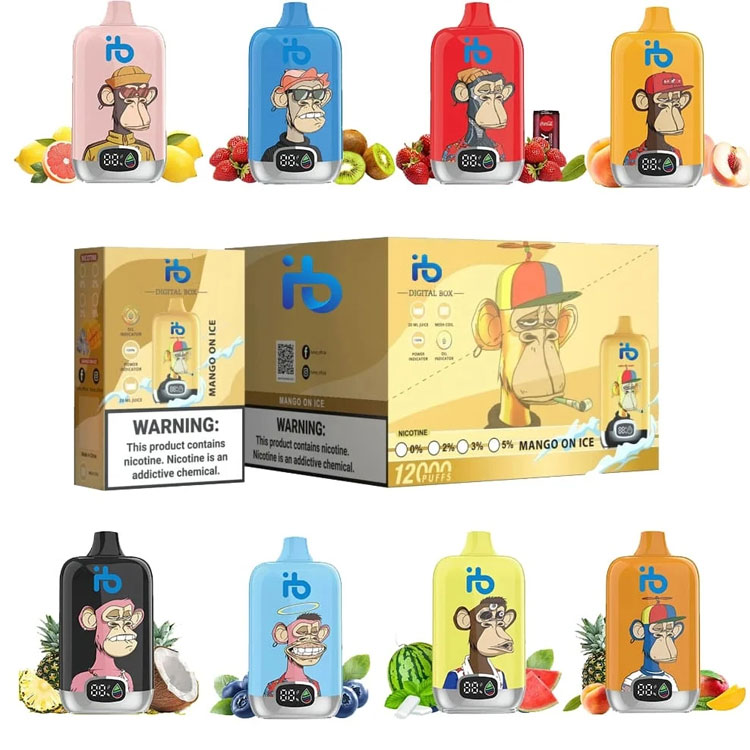
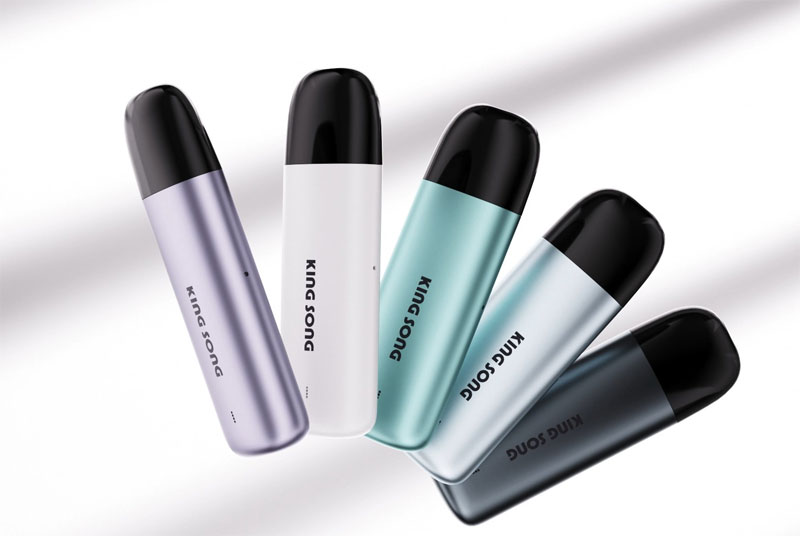
E-cigarettes, often referred to as vapes, are devices which allow users to inhale nicotine in a vapor rather than smoke. This method is often considered a less harmful alternative to traditional smoking, both for the smoker and those around them, as it typically contains fewer toxic chemicals.
The Legal Landscape in Vietnam
Vietnam’s approach to e-cigarettes is nuanced and evolving. Currently, the sale and distribution of e-cigarettes in Vietnam face several restrictions. Officially, there is no outright law or regulation specifically addressing e-cigarettes; however, they are effectively controlled under existing tobacco regulations.
According to the Ministry of Health in Vietnam, the importation and sale of e-cigarettes are prohibited, primarily due to concerns regarding health impacts and potential gateway effects leading to traditional smoking. This restriction aims to curb the uptake of smoking among young people, a demographic that studies show is increasingly experimenting with vaping.
Public Health Concerns and Government Stance
The Vietnamese government has been vocal about its worries concerning e-cigarettes. While many advocate for their benefits as smoking cessation tools, health officials argue that the long-term safety is uncertain and more research is needed to understand their effects fully.
The World Health Organization (WHO) has urged countries like Vietnam to remain cautious about e-cigarettes until more evidence becomes available. This precautionary stance influences Vietnam’s policies on these products.
Therefore, as it stands, the legal environment in Vietnam makes it difficult for those interested in e-cigarettes to purchase them legitimately. This lack of availability reduces potential usage and supports national public health objectives.
Consumer Behavior and Market Effects
The restrictions on e-cigarettes in Vietnam have led to a rather informal and underground market. Many consumers turn to neighboring countries where regulations aren’t as strict, subsequently importing e-cigarettes for personal use or resale. It’s worth noting that such actions come with significant legal risks, as customs authorities are vigilant in seizing these products at the border.
Besides the legal implications, the demand for alternative smoking options continues to rise. This increased interest pressures policymakers to reconsider their stance and possibly adapt regulations that could allow controlled sales, ensuring consumer safety while minimizing health risks.
Global Comparisons and Future Trends
When considering global trends, Vietnam’s stance on e-cigarettes reflects a broader hesitance seen in many nations. Countries are grappling with the balance between perceived benefits for smoking cessation and potential health risks yet to be fully understood.
Looking ahead, if Vietnam updates its stance on e-cigarettes, these regulations are likely to include stringent controls to prevent youth access and ensure product safety standards—a move observed in various other markets worldwide.