The history of e-cigarettes dates back several decades, reflecting a journey that mirrors technological advancements and changing societal needs. When were e-cigarettes first introduced? The concept and development of e-cigarettes have evolved significantly over time, and understanding this evolution provides insight into current trends and future directions in the vaping industry.
The Early Beginnings of E-Cigarettes
E-cigarettes, also known as electronic cigarettes or vapes, were initially conceptualized long before they became mainstream. The first known idea of an electronic nicotine delivery device was patented by Herbert A. Gilbert in 1963. Although he patented a device described as a smokeless non-tobacco cigarette, it wasn’t commercially developed at the time. Gilbert’s invention was ahead of its time, both technologically and culturally.
The Modern E-Cigarette Invention
The journey of e-cigarettes took a significant turn in the early 2000s. In 2003, Hon Lik, a Chinese pharmacist and inventor, developed the first commercially viable e-cigarette. Motivated by the death of his father from lung cancer and his personal struggles with smoking, Lik’s invention marked the beginning of commercial e-cigarette production and distribution. Hon Lik’s design was the precursor to the modern vaping devices we see today, establishing a foundation for the industry.
Global Expansion and Popularity
After their invention, e-cigarettes quickly gained popularity in Asia and Europe before making their way to the United States. By 2007, they entered the U.S. market, attracting smokers looking for an alternative to traditional cigarettes. The appeal of e-cigarettes was fueled by various factors, including the perception of reduced harm, a variety of flavors, and the absence of tobacco smoke. As regulations around smoking in public spaces increased, many turned to e-cigarettes as a socially acceptable alternative.
Cultural and Regulatory Impact
The introduction of e-cigarettes had profound cultural and regulatory impacts. As their use increased, so did public debate regarding their safety and marketing, especially towards younger audiences. Regulatory bodies started to take notice, leading to extensive discussions on the regulation and safety of these devices. By 2016, the U.S. Food and Drug Administration (FDA) began to regulate e-cigarettes, introducing standards that manufacturers must meet. These regulations addressed concerns about ingredient quality, labeling, and marketing strategies.
Technological Innovations
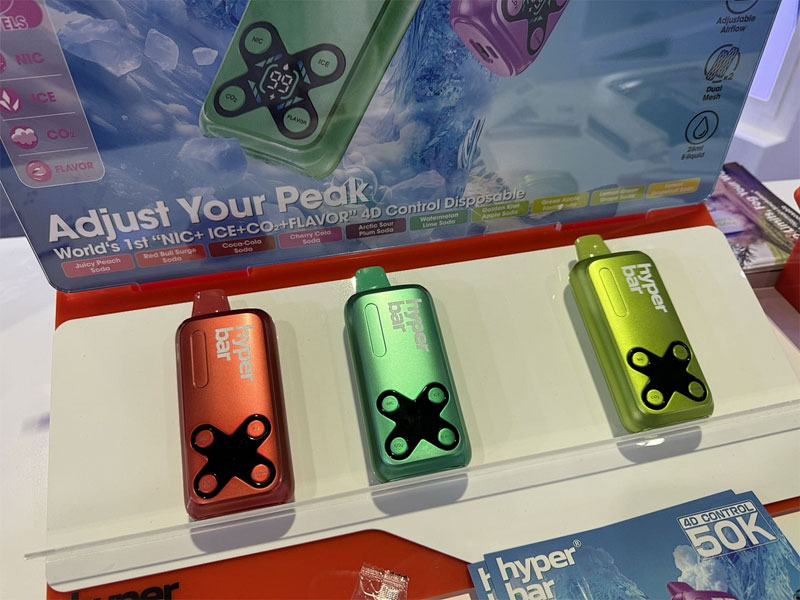
The e-cigarette journey is marked by technological innovation. From initial designs that resembled traditional cigarettes to customizable mods and sleek pod systems, vaping technology has continuously improved. Modern devices now offer longer battery life, adjustable settings, and enhanced nicotine delivery mechanisms. These advancements have widened the appeal of e-cigarettes, catering to both former smokers and tech-savvy consumers looking for a personalized experience.
The Future of E-Cigarettes
The future of e-cigarettes is both promising and challenging. With continued scientific research, the industry could see further advancements in safety and nicotine delivery methods. However, the industry’s future also depends on navigating regulatory landscapes and addressing public health concerns. There is a growing focus on creating products that reduce harm while maintaining satisfaction for users.
FAQs
Q1: When were e-cigarettes first introduced?

The modern e-cigarette was first introduced in 2003 by Hon Lik, although the concept dates back to Herbert A. Gilbert’s 1963 patent.
Q2: Are e-cigarettes safer than traditional smoking?
E-cigarettes are often promoted as a less harmful alternative to smoking, but opinions on their safety vary. Long-term effects are still being studied.
Q3: How have e-cigarettes evolved technically?
They have evolved from simple, cigarette-like devices to advanced systems with customizable features, longer battery life, and improved nicotine delivery.