Understanding Vape Safety: Key Insights on Electronic Cigarettes and Cancer Risk

The rising popularity of vape devices around the world reflects shifts in smoking habits as consumers search for alternatives to traditional cigarettes. Many people ask, “does smoking electronic cigarettes cause cancer?” The answer remains nuanced, with ongoing scientific inquiry. This comprehensive guide explores core aspects of e-cigarette safety, the latest cancer research, and actionable vape safety tips. Whether you’re a regular vaper, considering transitioning away from tobacco, or simply concerned about health implications, gaining clarity over these questions is essential.
What Are Vapes and How Do They Work?
At the most basic level, a vape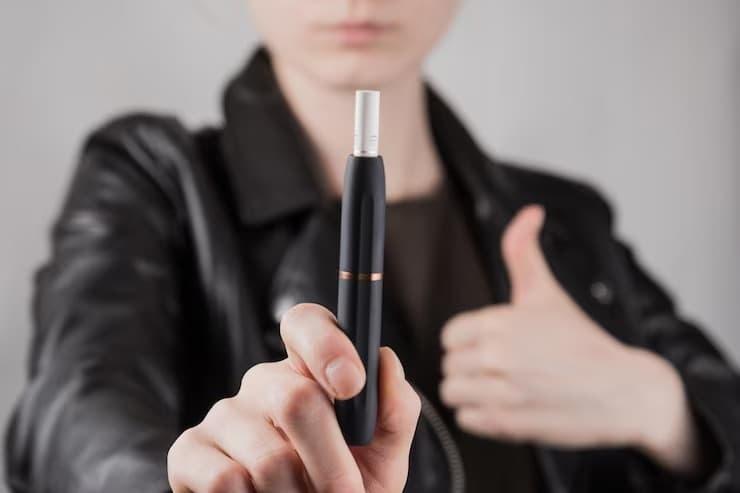 device—commonly referred to as an electronic cigarette—is a battery-powered tool that heats a liquid, usually called “e-liquid” or “vape juice,” to produce an inhalable vapor. Unlike combustible cigarettes, no tobacco is burned, which means fewer traditional toxins and carcinogens. However, e-liquids often contain nicotine, propylene glycol, vegetable glycerin, and flavorants, each of which may carry its own health considerations.
Does Smoking Electronic Cigarettes Cause Cancer?
The question “does smoking electronic cigarettes cause cancer” is among the most heavily debated within public health circles. While traditional cigarettes release over 70 confirmed cancer-causing agents, vapes tend to produce far fewer toxic substances when used as intended. However, studies have found that certain vape aerosols can contain formaldehyde, acrolein, and specific nitrosamines known to be associated with cancer risk.
Importantly, the likelihood of harm varies by device type, power settings, and the chemical composition of the e-liquid used. There is no definitive scientific consensus yet, but most research indicates e-cigarette vapor presents fewer cancer risks than combusted tobacco, though it is not necessarily ‘safe’ or risk-free.
Key Compounds in Vape Aerosol to Consider
- Nicotine: While nicotine itself isn’t classified as a carcinogen, it’s highly addictive. Some animal studies suggest it can promote cancer development under certain conditions.
- Formaldehyde & Acrolein: Both are generated at higher voltage settings or when e-liquid is overheated. These compounds are known carcinogens and irritants.
- Flavorings: Certain flavoring agents have been linked to cytotoxic effects, raising concerns about long-term health implications.
Comparing Cancer Risk: Vapes vs. Traditional Cigarettes
When addressing “does smoking electronic cigarettes cause cancer,” it’s crucial to contextualize risk. Traditional cigarettes have a well-documented history of causing lung, throat, and numerous other cancers. Vape products, by comparison, contain significantly reduced levels of carcinogenic chemicals. However, vaping is a relatively new phenomenon, and the long-term effects are still being studied. The most current evidence suggests vaping may present a lower—but not zero—cancer risk than traditional smoking.
Current Research and Emerging Findings
Multiple studies have examined whether e-cigarette use contributes to cancer. While findings are still evolving, several key experts and credible institutions, including the American Cancer Society and Cancer Research UK, state that available evidence does not definitively link vaping to cancer. That said, the presence of some carcinogens means there remains a theoretical possibility, particularly with prolonged or high-intensity use.
Important Safety Tips for Vape Users

- Avoid overheating your device, as high temperatures can produce more dangerous compounds like formaldehyde.
- Choose reputable brands and avoid off-brand or homemade e-liquids that may contain untested ingredients.
- If you’re not a smoker, don’t start vaping—most health organizations recommend vape only as a harm reduction tool for those already smoking.
- Store your vape equipment safely to prevent accidental ingestion or child exposure.
Understanding Nicotine Addiction and Withdrawal
Nicotine, found in most vape products, plays a central role in addiction. It can alter brain chemistry, prompting compulsive use. Although vaping may assist some adults in quitting smoking, there’s growing concern about its appeal among younger populations. Researchers have found that nicotine can be a ‘gateway’ for sustained substance use, and withdrawal symptoms such as irritability and craving are common among those trying to quit vaping.
Other Health Risks Associated With Vape Products
While lower cancer risks may be a positive, vaping is associated with other potential health hazards. Certain e-liquids and devices have been implicated in respiratory illnesses, mouth and throat irritation, and a condition known as “vape lung” or EVALI (E-cigarette or Vaping Product Use-Associated Lung Injury). The full health profile of long-term vape use requires more data as the phenomenon matures.
Vape Regulation, Age Restrictions, and Market Oversight
Regulatory bodies such as the FDA in the United States oversee the ingredients, marketing, and sale of e-cigarettes. Most countries have age limits prohibiting sale to minors. Increased oversight seeks to curb rapid youth uptake and improve consumer safety by ensuring that vape products are accurately labeled and free from banned substances. Globally, laws continue to evolve, reflecting changing scientific knowledge on potential risks and benefits.
Making Informed Choices: Weighing Risks and Benefits
For smokers unable to quit nicotine, evidence shows vaping may be a less harmful alternative. Nonetheless, the optimal health scenario is avoiding all forms of nicotine. If you’re considering vaping as a smoking cessation method, consult trusted medical professionals. The evolving data on “does smoking electronic cigarettes cause cancer” urges caution; responsible use and staying informed are the best approaches to minimize risk.
Latest Innovations: Low-Risk Vape Technologies
Improvements in vape technology include temperature control settings, cleaner coil materials, and better-regulated e-liquid composition, all contributing to enhanced safety. Companies now invest in research to reduce toxic byproducts and increase transparency on ingredients. Nevertheless, users should remain vigilant and prioritize products tested by certified labs.
Vape Versus Smoking: A Public Health Perspective
Many health campaigns highlight the significant danger of smoking, pointing out that switching to vaping may greatly decrease cancer risk compared to continued tobacco use. However, these campaigns also stress the importance of avoiding vaping entirely if you don’t already smoke. Vaping is not risk-free, and “does smoking electronic cigarettes cause cancer” is a question best answered with up-to-date, evidence-based information.
Conclusion: Navigating Vape Safety and Cancer Concerns
The science surrounding vape safety and cancer risk continues to expand. Most findings suggest that vaping is less carcinogenic than smoking, yet not without health concerns. Users should take steps to reduce risk by monitoring device use, choosing verified products, and being aware of evolving scientific recommendations. Staying educated about potential hazards remains central to responsible consumption.
Potential FAQ Block
- Q: Does vaping completely eliminate my risk of cancer?
- No, vaping may decrease—but does not fully eliminate—cancer risk. Some harmful chemicals may still be present in the vapor.
- Q: Which ingredients in e-liquid are most concerning?
- High temperatures can produce formaldehyde and acrolein, both known carcinogens. Some flavorings may also be of concern.
- Q: Is nicotine in vape products cancerous?
- Nicotine is highly addictive but not classified as a carcinogen. Other chemicals in vape can pose carcinogenic risks.
- Q: Can I use vape to successfully quit smoking?
- Many smokers use vaping as a harm reduction method. Clinical guidance and support offer the best chances for quitting.