E-cigarettes and tobacco cigarettes may seem quite different at first glance, yet they share several key similarities, particularly in their fundamental purpose as nicotine delivery systems.
Shared Purpose and Basic Functionality
At their core, both e-cigarettes and traditional tobacco cigarettes are designed to satisfy the user’s cravings for nicotine, a substance known for its addictive properties. This is the primary function that aligns them closely, despite obvious differences in their physical form and method of use. E-cigarettes, often referred to as vapes, utilize a liquid solution called e-liquid or vape juice, which contains nicotine, flavorings, and other chemicals. When the device is activated, usually by inhaling or pressing a button, the liquid is heated and converted into vapor, which the user then inhales. On the other hand, tobacco cigarettes deliver nicotine through the burning of processed tobacco leaves wrapped in paper, producing smoke that the user inhales.
Differences in Ingredients and Additives
While both types of cigarettes may satisfy nicotine cravings, they differ significantly in the ingredients involved. Tobacco cigarettes comprise tobacco leaves that include thousands of chemicals, many of which are known carcinogens. In contrast, e-cigarettes utilize a more limited range of ingredients, primarily nicotine, propylene glycol or vegetable glycerin, and flavorings. This difference in constituents could be a contributing factor to the perception of e-cigarettes as a potentially less harmful option compared to tobacco cigarettes, although research on long-term effects is still ongoing.
Health Implications
The health impacts of both e-cigarettes and tobacco cigarettes continue to be subjects of extensive study. Tobacco cigarettes are linked to numerous health problems, including lung cancer, heart disease, and respiratory ailments. Some people turn to e-cigarettes as a way to potentially reduce these risks, given that they don’t produce tar and many of the other harmful byproducts of combustion. Nonetheless, e-cigarettes are not without their own risks, as the inhalation of certain vaporized chemicals can lead to health issues, though possibly less severe compared to traditional smoking. Social and Legal Perception Both types of cigarettes are often subject to social stigma and legal regulation, which reflects the similar view society holds towards nicotine addiction. Smoking bans, age restrictions, and taxes are applied to both to varying extents, aiming to mitigate public health impacts and deter initiation, especially among youth.
- Accessibility and Variety
- Both e-cigarettes and tobacco cigarettes are extremely accessible, available in various forms and flavors to cater to personal preferences. Traditional cigarettes come in different brands, strengths, and packaging. Similarly, e-cigarettes boast a wide range of device styles and flavors, from fruity to menthol, which some argue makes them more appealing to younger audiences.

Environmental Considerations
Environmental impact is another aspect where e-cigarettes show a divergence from tobacco cigarettes. While cigarette butts are a notorious source of environmental litter and pollution, e-cigarettes contribute to electronic waste, raising concerns about battery disposal and the sustainability of single-use vape devices. Consumer Considerations When evaluating the choice between e-cigarettes and tobacco cigarettes, consumers often consider factors such as cost, convenience, and the potential for harm reduction. As such, many smokers seek to transition from traditional to electronic devices as a perceived step toward quitting nicotine altogether. However, the effectiveness of e-cigarettes as a smoking cessation tool remains a point of contention among health professionals.
Popular Misconceptions
Despite the similarities in delivering nicotine, several misconceptions persist about both e-cigarettes and tobacco cigarettes. Some individuals believe that e-cigarettes are completely safe, which is not true, as they also carry health risks. On the flip side, many people fail to recognize the extent of harm traditional cigarettes pose not only to smokers but also to those exposed secondhand.
FAQ Section
Are e-cigarettes safer than tobacco cigarettes? E-cigarettes are generally considered to be less harmful than tobacco cigarettes because they do not produce tar or most of the harmful compounds created by burning tobacco. However, they are not entirely without risk, particularly concerning nicotine addiction and potential long-term health effects.
Can e-cigarettes help you quit smoking?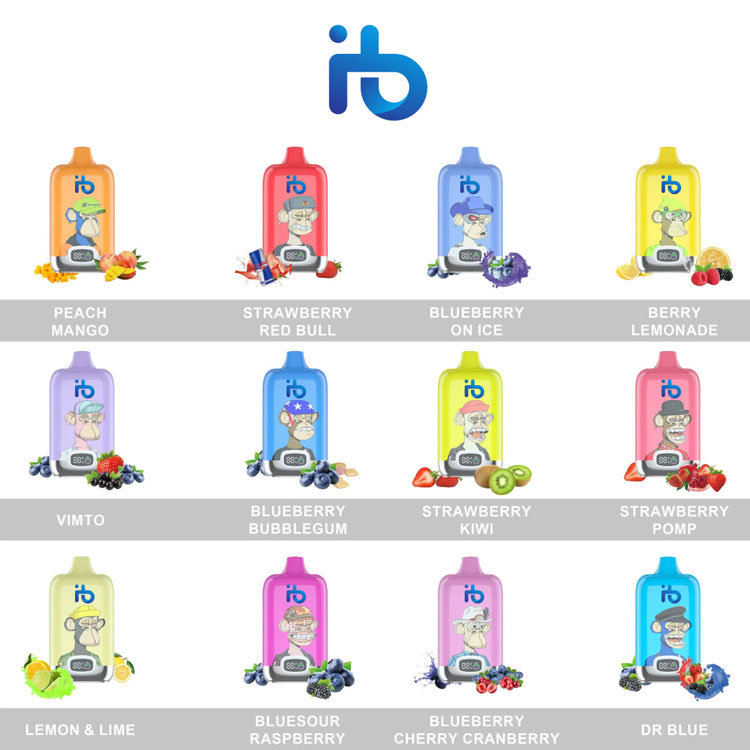 Many people use e-cigarettes as an aid to quit smoking traditional cigarettes, but their effectiveness can vary. It is best to consult healthcare professionals for tailored advice on smoking cessation methods.
What is in e-cigarette vapor? E-cigarette vapor typically contains nicotine, propylene glycol or vegetable glycerin, and flavorings. Some products may also contain trace amounts of other chemicals, which is why understanding the ingredients in the vape juice you choose is crucial.
Overall, while e-cigarettes and tobacco cigarettes operate under the same premise of nicotine delivery, their differences in composition, health impact, and societal perception provide a nuanced landscape for users to navigate.