Global Oversight of E-Cigarette Regulation: What Consumers Must Understand
The growing popularity of e-cigarettes has led to a diverse landscape of regulatory approaches worldwide. If you are wondering how are e-cigarettes regulated across various regions, understanding the laws is critical, whether you are a consumer, retailer, or industry stakeholder. This comprehensive guide explores the evolving world of vape product regulations, how they differ by geography, and what current or potential users need to know.
Understanding E-Cigarette Regulation Basics
E-cigarette regulation encompasses laws and standards that govern the manufacture, sale, promotion, and consumption of electronic nicotine delivery systems (ENDS). How are e-cigarettes regulated is a question with complex answers: regulations range from advertising restrictions and age limits to outright bans and public usage controls. Regulatory frameworks often target three main areas: product safety, youth protection, and public health.
How Different Countries Regulate E-Cigarettes
- United States: The FDA regulates e-cigarettes as tobacco products. Manufacturers must comply with premarket authorization for new products and follow strict guidelines regarding ingredients, labeling, and marketing. The legal age for purchase is 21.
- European Union: The EU’s Tobacco Products Directive (TPD) sets standards for nicotine strength (maximum 20mg/ml), tank size (2ml max), packaging, and advertising bans. Each member state may have additional requirements and enforcement.
- United Kingdom:
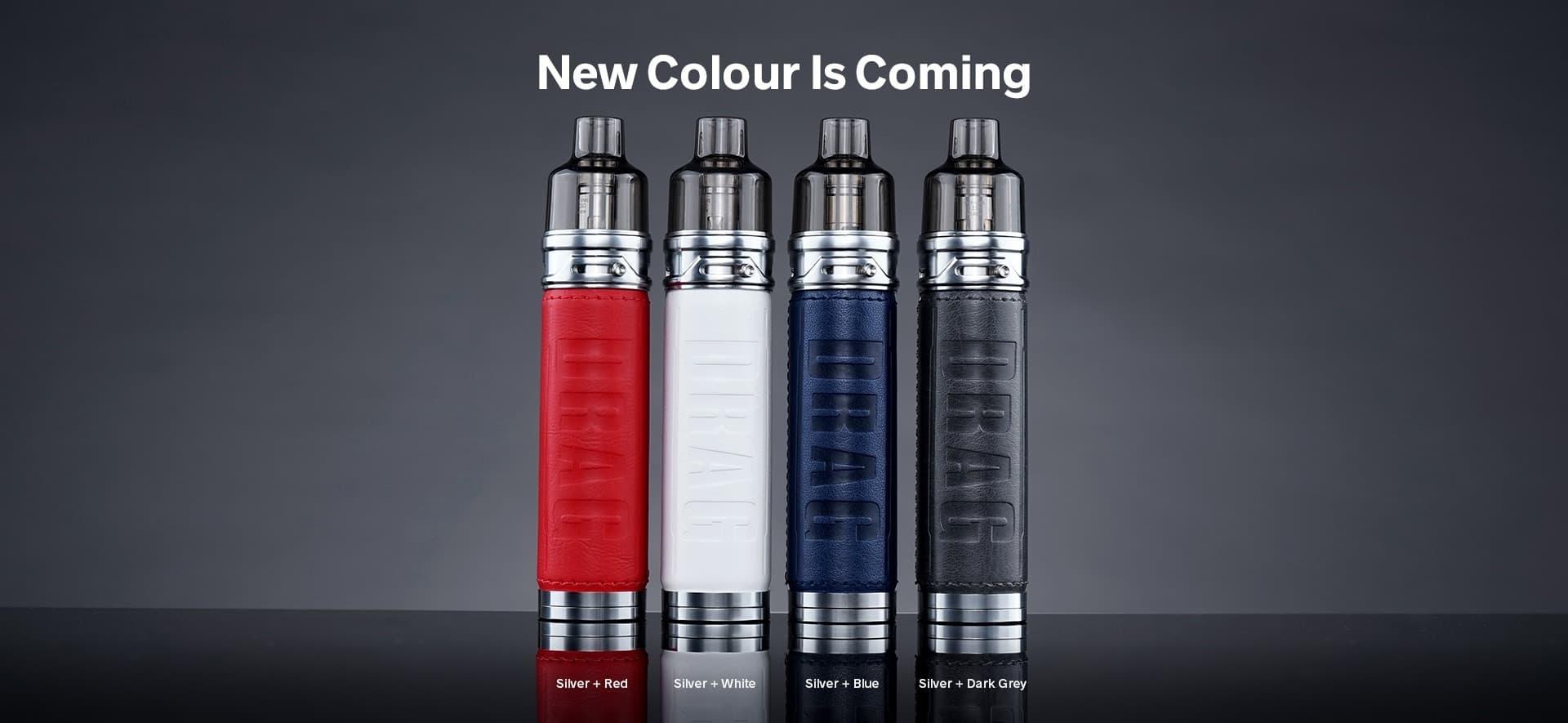 The UK follows the TPD but has adopted a public health approach, with some government bodies supporting vaping as a smoking cessation tool. Regulation focuses on product safety, nicotine limits, and sales restrictions to minors.
 - China: As the world’s leading producer of vaping devices, China has recently begun treating e-cigarettes similarly to traditional tobacco, enacting licensing for manufacturing and import, restricting flavors, and banning sales to minors.
- Australia: E-cigarettes containing nicotine require a prescription, making them more tightly regulated than traditional cigarettes. Importation is also limited, with strict enforcement from border patrol agencies.
- India: The sale, production, and advertising of all forms of e-cigarettes are banned nationwide due to public health concerns, in marked contrast to other consumer goods that are regulated, not prohibited.

It is clear that how are e-cigarettes regulated depends heavily on local context, with enforcement and penalties ranging from fines to imprisonment in some jurisdictions.
Key Regulatory Measures Common Worldwide
Despite differences, most countries share certain regulatory objectives when it comes to e-cigarettes:
- Age Restrictions: Most jurisdictions ban sales to minors, with legal age thresholds ranging from 18 to 21.
- Product Safety Standards: Many governments require ingredient disclosure, prohibit certain additives, and enforce health warnings on packaging.
- Marketing Controls: Advertising, sponsorship, and promotion of vaping products are often strictly limited, especially to protect youth.
- Taxation: Some countries have imposed taxes on e-cigarette liquids or devices, equating them with combustible tobacco products for revenue and deterrence.
Product Approval, Packaging, and Labelling
The answer to how are e-cigarettes regulated almost always includes attention to packaging and product notification. In the EU and US, for instance, regulatory agencies demand pre-market notifications, ingredient lists, and scientifically backed claims. Labels must often include health warnings about nicotine addiction. Some Asian and Middle Eastern countries require similar measures; others levy minimum packaging sizes or restrict refill bottle capacity to avert misuse and accidental ingestion by children.
Public Use and Indoor Vaping
Many countries now incorporate e-cigarettes into their smoke-free laws, banning their use in enclosed public spaces such as restaurants, airports, and schools. Enforcement varies: some nations apply tobacco-analogous rules to vaping, while others are more lenient. Cities within a country may also implement stricter local ordinances. For travelers, it’s essential to research specific city and nation-level regulations to avoid penalties.
Challenges in E-Cigarette Regulation
The rapid evolution of vaping technology and consumables presents ongoing challenges for regulators. Product innovation outpaces legislative updates—new device formats, synthetic nicotine, and ever-changing flavors can fall outside current regulatory descriptions. In efforts to learn how are e-cigarettes regulated and stay compliant, stakeholders must monitor legislative updates and engage with official guidance from government health departments and trade bodies.
Global trade and e-commerce further complicate the regulatory equation. Products purchased online may not meet local standards, putting consumers at risk and potentially resulting in customs seizures or fines. Some countries require unique tracking identifiers on packaging and enforce bans on cross-border purchases.
Why Regulations Are Constantly Evolving
The science surrounding e-cigarettes is still developing, especially concerning long-term health impacts and their value as a harm reduction tool for smokers. Governments regularly revisit regulations to adapt to new research, emerging public health trends, or shifts in youth-use patterns. How are e-cigarettes regulated will likely continue to change, with newer legislation focusing on product safety, synthetic nicotine, and equitable enforcement between vaping and traditional tobacco products.
Compliance, Penalties, and Enforcement
Penalties for violating e-cigarette regulations vary: in some countries, retailers face heavy fines or loss of business licenses; in others, consumers can also be penalized for unlawful possession or use. Regulatory authorities typically conduct compliance checks on retail locations, online shops, and points of entry at borders. Regulators may recall non-compliant products, issue safety alerts, or enforce market withdrawals. Businesses operating in multiple jurisdictions need compliance teams dedicated to understanding the nuanced differences in how are e-cigarettes regulated worldwide.
Looking to the Future of Vape Regulation
A concerted effort is underway globally to strike a balance between supporting adult smokers who switch to less harmful alternatives and preventing youth uptake. Advances in traceability, quality assurance, and targeted taxation are likely to shape upcoming regulatory trends. Nations are also collaborating through forums like the World Health Organization’s Framework Convention on Tobacco Control to share research and policy experiences on e-cigarette oversight.
FAQs on E-Cigarette Regulations
- Q: Are e-cigarettes legal everywhere?
- No, the legality of e-cigarettes varies widely. Some nations ban them completely, while others permit their sale under specific regulations.
- Q: If I travel with a vape device, will I face issues?
- Packing an e-cigarette may result in customs concerns or legal violations. Always check destination-specific rules before traveling internationally.
- Q: How do I know if my vape juice meets local standards?
- Look for official approvals, product labeling, and certifications required by your country. Purchasing from reputable sources that comply with local standards minimizes risks.
As regulations continue to evolve, staying informed about how are e-cigarettes regulated in your country—or anywhere you plan to travel or purchase products—is essential for legal compliance and your own safety.