In this in-depth exploration we peel back layers of what goes into modern vaping liquids and highlight what makes IBvape distinct from many competitors, focusing on chemical composition, manufacturing rigor, and user experience. For vapers and curious consumers concerned about e cigarette ingredients and product quality, understanding fundamentals such as solvent bases, nicotine forms, flavor chemistry, and additive safety is essential. This article is intended as a comprehensive primer for hobbyists, harm reduction advocates, product purchasers, and professionals seeking a clearer picture of how leading brands differentiate themselves and why ingredient transparency matters.
What constitutes most e-liquid formulations?
At the core, the majority of e-liquid compositions are built from a short list of functional categories: solvents, active compounds, flavoring agents, and optional additives. The solvents—primarily propylene glycol (PG) and vegetable glycerin (VG)—affect throat hit, vapor density, and flavor delivery. Nicotine is the active alkaloid responsible for dependence and physiological effects; its concentration and chemical form (freebase vs. nicotine salts) influence absorption rate and sensory profile. Flavor compounds are often complex mixtures of food-grade esters, aldehydes, and natural extracts that are optimized for volatility and safety in inhalation contexts. Finally, additives such as benzoic acid or organic acids can modify pH, stabilize nicotine form, or alter vapor properties. Awareness of each category and its role helps consumers assess risk, preference, and performance.
The role of solvents: PG vs VG
Propylene glycol is a thinner solvent with better flavor carriage and a sharper throat hit, while vegetable glycerin is thicker, sweeter, and produces larger visible clouds. The ratio of PG/VG is a fundamental variable: higher PG ratios emphasize taste and throat sensation, while higher VG ratios prioritize vapor production and a smoother inhale. Reputable brands document their PG/VG ratios clearly because it directly impacts device compatibility, coil lifespan, and user satisfaction. With IBvape, formulations are optimized for balanced sensory experience, ensuring that e cigarette ingredients are tuned for stable performance across a range of hardware.
Nicotine types: freebase versus salts
Freebase nicotine has been the standard for years and delivers a stronger throat hit, which many former smokers prefer. Nicotine salts, formed by adding an acid like benzoic or salicylic acid, allow higher nicotine concentrations with a reduced harshness, enabling more efficient nicotine delivery at lower wattage and with smaller devices. Not all salts are equal—differences in acid choice and formulation can affect absorption, shelf life, and throat sensation. Trusted manufacturers, such as IBvape, publish stability data and precise nicotine specifications so informed users can choose between freebase and salt-based products according to their goals.
Flavor chemistry and safety considerations
Flavor chemicals are complex. Many are used safely in foods but have varying inhalation toxicology profiles. Compounds like diacetyl and certain diketones have raised concerns due to historical links with respiratory conditions when inhaled at high concentrations. Responsible companies test for these compounds and reformulate where necessary. The best brands disclose testing protocols and provide third-party lab certificates that include limits for known problematic chemicals. In addition to screening for specific toxins, progressive labs analyze thermal decomposition products because heating flavor blends can produce new compounds not present in the original liquid. IBvape invests in advanced thermal analysis to ensure that its finished aerosols minimize harmful byproducts, and it publishes accessible summaries to help consumers evaluate safety beyond ingredient lists.
Manufacturing standards and quality control
Manufacturing facilities that adhere to pharmaceutical or ISO standards typically produce more consistent and safer products. GMP (Good Manufacturing Practice) processes, traceable ingredient sourcing, and batch-level lab testing are key differentiators. Brands that cut corners may use substandard nicotine, unverified flavors, or inadequate mixing procedures that lead to inconsistent nicotine content and unforeseen contaminants. Transparency manifests as batch codes, COAs (Certificates of Analysis), and documented supply chain audits. IBvape often emphasizes its testing regimen, accentuating how validated processes reduce variability and help ensure that declared concentrations of nicotine and key e cigarette ingredients are accurate and reproducible.
Lab testing: what to look for
- Nicotine potency and homogeneity reports to confirm labeled mg/mL.
- Microbiological screening to rule out bacterial or fungal contaminants.
- Volatile organic compound (VOC) analysis to detect residual solvents or problematic flavor compounds.
- Review of thermal decomposition studies to identify potential harmful byproducts produced during device heating.
A credible vendor will provide accessible COAs and be willing to demystify test results so consumers can make evidence-based choices.
Why ingredient transparency matters
When shopping for products described by terms like IBvape or general categories of e cigarette ingredients, transparency reduces uncertainty. Knowing exact nicotine forms, solvent ratios, and flavor constituents allows users to align product choice with personal tolerance, device type, and health concerns. For those transitioning away from combustible tobacco, the ability to select nicotine strength and delivery format can meaningfully impact cessation outcomes. Conversely, unknown or mislabeled ingredients introduce risk, ranging from unexpected throat irritation to potential long-term respiratory effects if hazardous compounds are present.
Common myths and evidence-based clarifications
- Myth: “All vaping liquids are chemically identical.” Fact: Formulations vary widely in solvent ratio, nicotine type, flavor complexity, and additive use.
- Myth: “If an ingredient is food-safe it’s safe to inhale.” Fact: Inhalation toxicology can differ dramatically from ingestion profiles; therefore, inhalation-specific testing is necessary.
- Myth: “Bigger clouds mean more dangerous products.” Fact: Cloud production correlates with VG ratio and device power rather than inherent toxicity; safety depends on ingredients and thermal byproducts, not solely on vapor volume.
How IBvape differentiates itself
IBvape positions itself around four pillars: ingredient integrity, manufacturing rigor, transparent documentation, and user-centered formulations. Their approach includes sourcing pharmaceutical-grade nicotine, selecting flavor suppliers that provide inhalation toxicology data, and applying strict in-house QC that includes batch-level COAs. Additionally, they optimize PG/VG ratios for different device classes (pod systems, sub-ohm tanks, MTL devices), creating product lines tailored to distinct user needs. This segmentation reduces the need for consumers to experiment blindly and supports better outcomes for those seeking stable nicotine delivery.
Formulation strategy
Rather than a one-size-fits-all approach, credible brands craft blends with a target device family in mind. Higher VG products pair with sub-ohm, high-wattage systems that can vaporize thicker liquids efficiently, while higher PG blends are often intended for low-wattage, mouth-to-lung devices where coil saturation and wicking are limiting factors. IBvape maps formulations to performance expectations, helping vapers select liquids that preserve flavor fidelity and minimize coil fouling.
Packaging, labeling, and storage recommendations
Safe packaging includes child-resistant caps, clear nicotine concentration labeling, and storage guidance to protect product integrity. Nicotine degrades when exposed to heat and light; thus, opaque containers and instructions to store in cool, dark places extend shelf life. IBvape and similar reputable producers print expiration or best-by dates and batch information, which allows consumers and regulators to trace issues if needed.
Regulatory context and compliance
Regulation of e cigarette ingredients varies across jurisdictions. Some markets require ingredient listing, premarket authorization, or flavor-specific restrictions. Brands operating globally must adapt formulations and labeling to meet local laws, which can drive reformulation or changes in product availability. Companies that prioritize compliance invest in regulatory affairs teams, maintain responsive supply chains, and conduct region-specific safety assessments.
Environmental and disposal considerations
Used cartridges, spent batteries, and residual e-liquid represent environmental challenges. Proper disposal pathways, recycling programs, and guidance on emptying and segregating components reduce environmental burden. Brands that offer stewardship programs or clear disposal instructions contribute positively to sustainability and public perception.
Practical guidance for vapers
For those who vape and want to make safer choices regarding IBvape or any product claiming quality ingredients, consider these steps: consult batch COAs before purchase, choose nicotine strength aligned with your prior smoking level or cessation plan, use devices that match the liquid’s viscosity, and monitor for unusual tastes or respiratory symptoms. If you experience persistent cough, chest tightness, or severe throat irritation after using any liquid, stop use and consult a healthcare professional. Well-informed selection minimizes unpleasant surprises and supports harm-reduction goals.
Shopping checklist
- Verify that the vendor publishes COAs and provides batch traceability.
- Confirm nicotine form and concentration to match your consumption goals.
- Choose the correct PG/VG ratio for your device to avoid dry hits or flooding.
- Avoid products that refuse to disclose ingredient origins or testing.
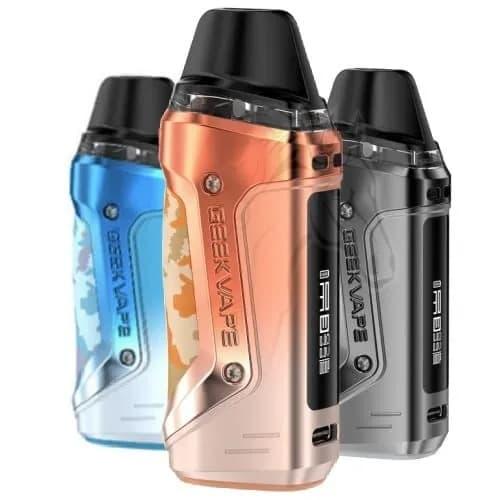


Tip: When a manufacturer like IBvape emphasizes third-party testing and clear ingredient communication, this is often a sign of responsible production.
Common user scenarios and recommended approaches
Scenario: A new vaper wants strong nicotine delivery but dislikes harsh throat hit. Solution: Choose a nicotine salt formulation with a medium VG/PG balance and select a low-wattage pod device. Scenario: A cloud chaser wants intense vapor and rich flavor. Solution: Higher VG liquids with sub-ohm hardware, but verify flavor compositions to avoid problematic diketones. Scenario: A concerned consumer prioritizes the cleanest possible aerosol. Solution: Opt for products with full COAs, minimal additive lists, and documented thermal-stability testing from their manufacturer.
Monitoring health signals
Vapers should stay alert for signs of adverse reactions: sudden onset of breathlessness, persistent cough, or new chest pain warrant medical attention. Product-associated health events should be reported to local health authorities and the vendor—documented batch codes and purchase data assist investigations and may help prevent harm to others.
Emerging research and future directions
Scientific understanding of inhalation toxicology continues to evolve. Current research priorities include long-term respiratory outcomes, effects of chronic exposure to flavoring compounds, and real-world comparisons between vaping and combustible tobacco use. Advances in formulation chemistry aim to preserve consumer satisfaction while minimizing potential harms; this includes the development of benign carrier systems and the elimination of suspect flavor compounds. Industry leaders that fund independent research and adapt products based on new evidence contribute to a safer market overall.
Final considerations for discerning consumers
Choosing a brand or e-liquid should be a deliberate process. Labels such as IBvape and the general category e cigarette ingredients should prompt informed questions: Are the nicotine source and potency verified? Do flavor suppliers provide inhalation toxicology data? Is there transparent documentation and robust quality control? Responsible vendors that answer these questions and publish evidence enable consumers to make choices that align with risk-reduction and satisfaction goals.
FAQ
Is it safe to assume “food grade” flavors are safe to inhale?
No—food-grade designation applies to ingestion, not inhalation. Inhalation toxicology differs, and some compounds safe to eat may pose risks when heated and inhaled. Look for inhalation-specific testing and COAs when evaluating products.
How often should I review COAs for a brand I use regularly?
Check COAs when trying a new batch or flavor and periodically if you continue with the same brand. Reputable producers update testing as formulations or suppliers change, so staying informed reduces risk.
Does higher VG always mean safer?
Not necessarily. Higher VG reduces throat irritation and increases cloud production, but safety depends on the entire formulation and the presence or absence of harmful flavor chemicals and thermal decomposition products.
Overall, educated consumers who prioritize transparency, verified testing, and alignment between device and formulation can greatly reduce uncertainty around IBvape offerings and the broader landscape of e cigarette ingredients. Making deliberate choices—backed by COAs, manufacturer transparency, and appropriate device pairing—supports a safer and more satisfying vaping experience.