When considering whether e-cigarettes are legal in Vietnam, it’s essential to explore the regulations governing their usage, sale, and distribution in the country. Vietnam’s stance on e-cigarettes is influenced by various health, regulatory, and economic factors which can impact both local and international businesses involved in the e-cigarette market. Understanding Vietnam’s position requires a study of their health policy and how it shapes the legal landscape for e-cigarettes.
Legal Status of E-Cigarettes in Vietnam
E-cigarettes, often referred to as electronic nicotine delivery systems (ENDSs), have been scrutinized globally due to health implications. In Vietnam, the government regulates these products under strict laws to ensure public health safety. As of the most recent governmental statements, Vietnam has stringent controls, categorizing e-cigarettes similarly to traditional tobacco products. This classification means that e-cigarettes fall under the country’s comprehensive tobacco control laws.
Key Approaches to E-Cigarette Regulation
The Vietnamese government approaches e-cigarette regulation through two primary lenses: health concerns and economic implications. From a health perspective, public health officials emphasize the potential risks associated with e-cigarettes, encouraging policies that limit their accessibility and usage. Economic factors also play a role, as the government assesses the impact of e-cigarette sales on both domestic tobacco industries and potential tax revenues.
Accessibility and Distribution
Despite the growing interest in e-cigarettes among Vietnamese smokers looking for alternatives, their accessibility is restricted. This limitation is due in part to the lack of comprehensive studies demonstrating e-cigarettes as a safer alternative to conventional cigarettes. As a result, Vietnam has opted for precautionary restrictions on their sale and distribution.
Retailers face challenges in obtaining licenses for selling e-cigarettes as the governmental stance remains cautious. Although there exists a market with both domestic and imported products, a licensing system makes accessibility to consumers a complicated endeavor.
Impact on Public Health Policies
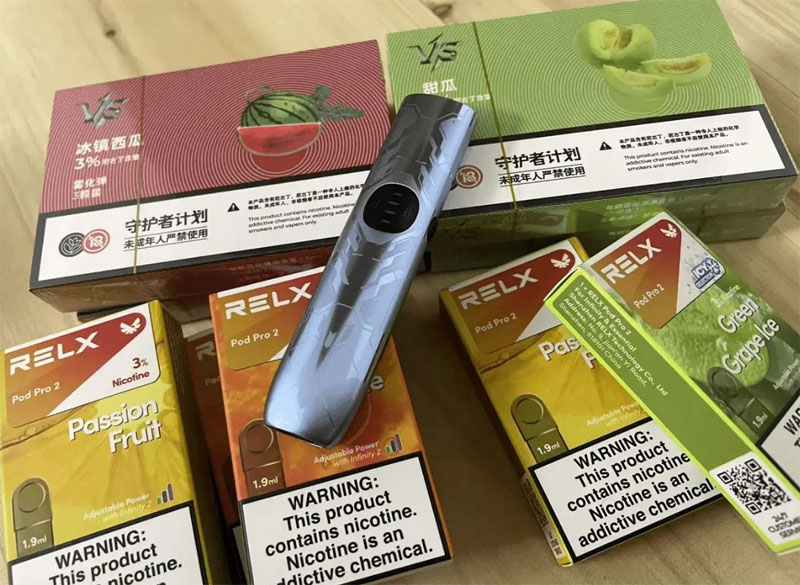

Vietnam’s stringent control over e-cigarettes aligns with its overall tobacco control strategy, which aims to reduce smoking prevalence and associated health risks. By controlling e-cigarette sales, policymakers intend to mitigate the potential for nicotine addiction among the youth, which has been a growing concern globally.
Efforts to reduce tobacco usage involve educating the public about the adverse effects of smoking and promoting smoke-free environments. This commitment extends to e-cigarettes, as they are viewed under the same scrutiny in terms of policy implementation.

Challenges for E-Cigarette Businesses
For businesses planning to engage in the Vietnamese e-cigarette market, understanding regulatory barriers is crucial. Operating legally requires navigating intricate laws, which can be a barrier for international companies looking to enter the market. Changes in policy could arise from ongoing research into e-cigarettes’ health impact, influencing businesses’ operational strategies.
FAQs Regarding E-Cigarettes in Vietnam
Are e-cigarettes banned in Vietnam?
While not outright banned, e-cigarettes face significant restrictions which limit their sale and distribution.
Can tourists bring e-cigarettes into Vietnam?
Tourists can bring e-cigarettes for personal use, but should be aware of local regulations and restrictions.
What is the future of e-cigarette regulation in Vietnam?
The regulatory framework may evolve depending on emerging health research and international trends influencing policymakers.