Electronic cigarettes, commonly known as e-cigarettes, have surged in popularity over recent years, primarily due to their perceived status as a safer alternative to traditional smoking. However, understanding the primary chemical constituents of e-cigarettes is crucial to assess their safety. The main chemical that forms the core of e-cigarettes is nicotine. Let’s dive deeper into what nicotine is and the role it plays within the arena of vaping.
What is Nicotine?
Nicotine is a naturally occurring toxic liquid found predominantly in tobacco plants. It acts as a stimulant in small doses but can have depressant effects in larger quantities. As one of the main chemical components in e-cigarettes, nicotine is responsible for the addictive properties of vaping.
Why Is Nicotine Used in E-Cigarettes?
Nicotine is used in e-cigarettes to fulfill users’ cravings, similar to regular cigarettes. It is the key chemical that provides the “hit” that smokers seek. The sensation of nicotine absorption is delivered by inhaling the vapors produced by the e-liquid or vape juice used in these devices.
Understanding E-Liquid
The e-liquid, also known as vape juice, is a concoction primarily consisting of propylene glycol, vegetable glycerin, flavorings, and nicotine. Nicotine concentration within e-liquids can vary, allowing users to gradually reduce their nicotine intake, potentially aiding in smoking cessation.
The concept of nicotine being the primary chemical in e-cigarettes doesn’t just revolve around its addictive properties. Nicotine also affects the brain chemistry of users over time, leading to changes in mood and behavior. Despite the ongoing debate on the health risks associated with nicotine, its presence in e-cigarettes is a significant factor for those seeking to quit smoking.
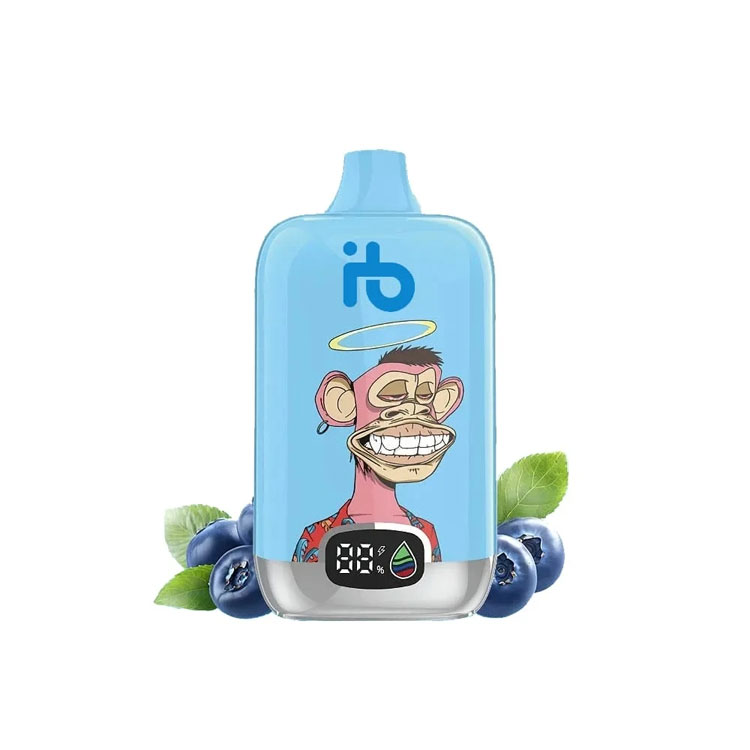

The Health Implications of Nicotine

Prolonged nicotine exposure can lead to addiction and several health issues such as increased heart rate, high blood pressure, and artery narrowing. The presence of nicotine in e-cigarettes raises concerns, particularly for younger users whose brain development might be impacted.
Regulatory Aspects
Authorities globally are grappling with how best to regulate the e-cigarette market. As nicotine is a highly addictive substance, it is monitored and regulated in many countries. Regulations typically focus on controlling nicotine concentration levels in e-liquids and ensuring proper labeling to inform users about the potential risks.
For instance, the European Union’s Tobacco Products Directive mandates a maximum nicotine concentration of 20 mg/ml. Regulations like these aim to reduce the harmful impacts of nicotine while allowing consumers the freedom to choose.
Scientifically Exploring Alternatives
Researchers are actively exploring the development of nicotine-free e-cigarettes. While nicotine-free options remove the addictive risk, they might lack the satisfaction that users seek, potentially making it hard for those looking to quit smoking to remain abstinent from nicotine.
E-cigarettes that substitute nicotine with less harmful stimulants or flavor profiles might offer a solution. However, continuous research is essential to fully understand the implications and safety of these alternatives.
FAQs About E-Cigarette Chemicals
Does the absence of nicotine make vaping safe?
The absence of nicotine removes the risk of addiction, but other chemicals in e-cigarettes can still be harmful. Safe vaping largely depends on the overall formulation of e-liquids.
Can e-cigarettes help quit smoking?
E-cigarettes might help some individuals quit smoking by gradually reducing their nicotine intake. However, it’s important to pair them with other cessation strategies for effective results.
What are the dangers of inhaling nicotine?
Inhaling nicotine repeatedly can lead to increased addiction potential, cardiovascular issues, and altered cognitive functions, especially in teenagers and young adults.