The rise of e-cigarettes as a popular alternative to traditional smoking has initiated discussions about their potential health implications, particularly as a source of toxic and potentially carcinogenic metals. These electronic nicotine delivery systems (ENDS) are often marketed as a safer option, but recent studies suggest that they might expose users to harmful substances that were previously overlooked.
Understanding E-cigarettes
E-cigarettes are battery-operated devices that heat a liquid—known as e-liquid—to create vapor. This vapor is then inhaled by the user. Unlike traditional cigarettes, e-cigarettes don’t rely on combustion, which reduces some of the harmful elements associated with smoke. However, the composition of e-liquids and the device components contribute to a new set of health concerns.
The Composition of E-liquids
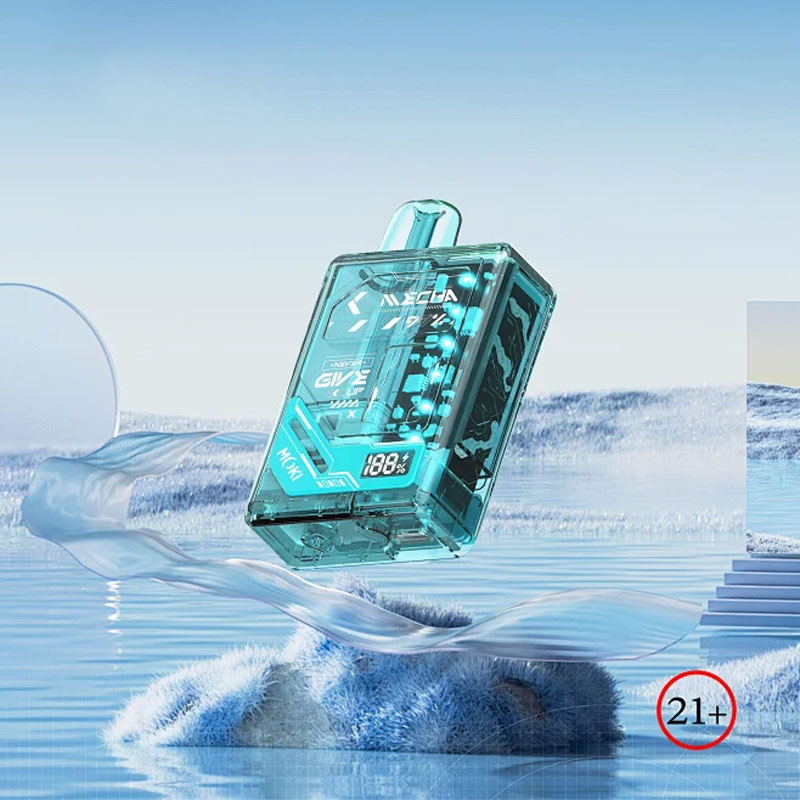
Typically, e-liquids contain nicotine, flavorings, propylene glycol, and glycerin. While these ingredients might seem harmless, when subjected to heat, they can undergo chemical transformations that release toxins, including heavy metals. The heating coil, composed mainly of metal, plays a crucial role in this process.
Source of Toxic Metals
Research has highlighted that the heating coils in e-cigarettes are significant culprits in metal contamination. When these coils heat up, they can leach metals such as lead, nickel, and chromium into the e-liquid, which users then inhale. This mechanical action raises concerns over the long-term effects of prolonged exposure.

Several studies have measured these metals in the aerosol produced by e-cigarettes and found them to be present in concerning levels. Nickel and chromium are particularly worrying due to their known carcinogenic properties, leading experts to question the safety of regular e-cigarette usage.
The Carcinogenic Risks
The inhalation of potentially carcinogenic metals is a significant concern. Chronic exposure to metals like lead can have profound health impacts, including neurological damage and increased cancer risk. The situation is exacerbated by the varying quality of e-cigarette devices on the market; poorly manufactured devices may exacerbate metal leaching, further elevating risk levels.
Regulatory and Safety Measures
The lack of stringent regulations for e-cigarette manufacturing is a contributing factor to the presence of toxic metals. Currently, not all devices are subject to the same rigorous testing that traditional tobacco products undergo. This regulatory gap means consumers might be unaware of the potentially harmful exposure levels.
Efforts are being made globally to implement stronger regulatory frameworks. These measures aim to standardize the materials and manufacturing processes for e-cigarettes, thereby reducing the risk of contamination.
Conclusion
As the popularity of e-cigarettes soars, understanding and mitigating their health risks becomes increasingly vital. It is imperative for users to stay informed about the contents of their e-cigarettes and the potential metals to which they may be exposed. Ongoing research and stricter regulations could eventually minimize these risks, but for now, cautious use and informed choices remain the best defense.
FAQs
1. Are all e-cigarettes equally dangerous regarding metal exposure?
No, the level of metal exposure can vary significantly between different brands and models, depending on their design and materials used. Opting for reputable brands that adhere to higher manufacturing standards might reduce risk.
2. Can using e-cigarettes lead to cancer?
While e-cigarettes are less harmful than traditional cigarettes, the presence of carcinogenic metals in some devices suggests there is still a potential cancer risk, especially with long-term use.
3. How can I reduce my risk when using e-cigarettes?
Consider choosing devices with ceramic coils, which may reduce metal leaching. Regularly cleaning your device and replacing old coils can also minimize the risk of exposure.